
Enhancing Food Logs With Contextual Details
Food logs can become much more useful when they include details beyond basic food descriptions and calorie estimates. Noting the time you ate, the setting—such as home, work, or a social gathering—and your mood or hunger level before the meal gives each entry greater context. This broader view allows you to recognize patterns, such as when you tend to reach for certain foods or how your environment influences choices. Such observations can help foster more mindful eating, as recommended in broad nutritional guidance from organizations like the World Health Organization.
Identifying the reasons behind your eating—whether it's routine, social, or prompted by stress—adds nuance to your food record. While these notes aren't medical statements, they can inform your daily habits and reveal how context affects your selections. Including descriptions such as "late lunch at my desk," "shared meal with friends," or "quick snack after exercise" supports a balanced approach to logging, echoing MyPlate's encouragement for varied, adaptable food patterns. These extras can highlight opportunities for positive change without pressure or judgment.
Ingredient Insights for More Meaningful Records
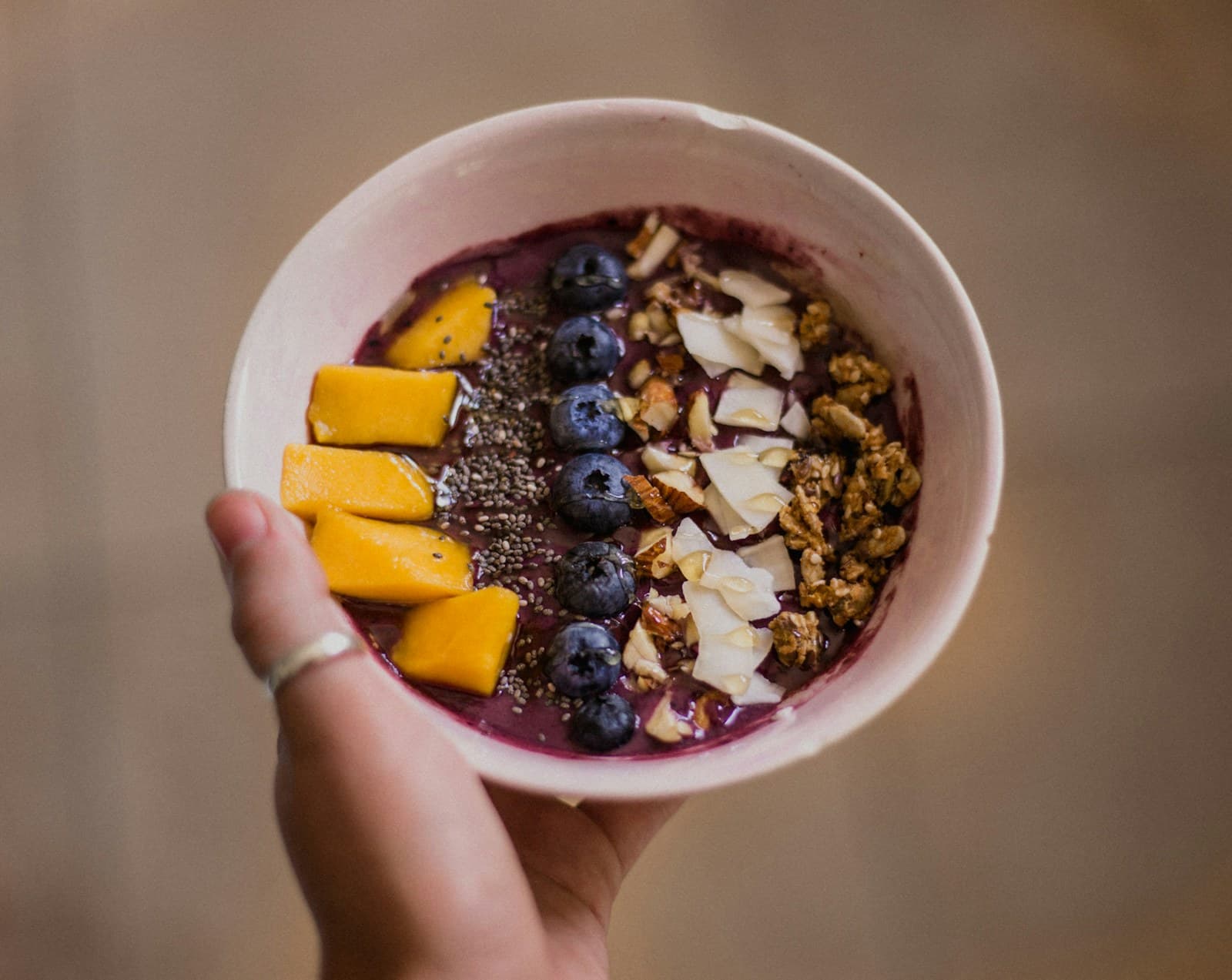
Listing ingredients in your food log can help clarify what actually made up your meal. This is especially valuable for home-cooked dishes, custom orders, or composite foods. For instance, noting "whole wheat pasta with tomato, spinach, and olive oil" gives you more detail than simply "pasta dish." It also helps track variety, which broad guidance from the World Health Organization and USDA MyPlate suggests supports a balanced, adaptable diet pattern.
Ingredient notes are useful for capturing recipe changes, additions, or omissions, which might influence overall food group representation. You can point out substitutions—like swapping cheese for avocado or skipping a dressing—so your log reflects your personal adjustments. These records help you notice trends or preferences and support ongoing awareness, rather than focusing on restrictive tracking. They also encourage you to experiment with new foods and flavors, aligning with the flexible framework MyPlate offers.
Portion Adjustments and Serving Descriptions
Recording changes to standard portions or describing serving sizes contributes to a food log’s relevance. If you typically use a photo-based calorie scanner, it can be useful to supplement estimates with notes such as “double serving of chicken,” “half a bagel,” or “added extra vegetables.” This way, the log shows both what was in your meal and how much you actually chose to eat. Portion context reflects real eating habits, which are often more fluid than standard labels.
Describing portion decisions—like splitting a meal with someone or opting for a smaller helping based on hunger—gives your log a snapshot of how preferences evolve day-to-day. These distinctions help you connect meal choices to appetite, activity, and setting, rather than framing foods as rigidly good or bad. This approach aligns with MyPlate’s guidance for flexibility and variety, all without aiming for precision but fostering practical insight. Such notes empower you to reflect on your eating patterns over time.
Refining Habits With Consistent, Mindful Logging
Including context-rich notes in your food log is not about perfection or judgment. Instead, it’s about gaining a clearer picture of what, when, and how you eat. Over time, patterns emerge—like late dinners, larger portions after exercise, or increased variety during weekends—that may inform your future choices. If your log consistently notes setting, portion, and ingredient changes, it becomes a valuable personal resource, offering practical information to support your goals without prescribing specific actions.
Mindful food logging can be practiced by briefly reflecting before and after meals on what factors influenced your selections. You might jot down what inspired the meal, if you ate with others, or if you tried something new. These observations can encourage ongoing curiosity and flexibility, echoing the broad dietary patterns recommended by authoritative sources like WHO and MyPlate. Consistency in logging, rather than strictness, allows you to appreciate trends and make adjustments tailored to your lifestyle.
Sources
- Healthy diet — World Health Organization
- What Is MyPlate? — USDA MyPlate
FoodSnap provides editable nutrition estimates. This article is for general educational purposes and is not a substitute for individualized medical or dietary advice from a qualified professional.