
Calorie basics5 min read
Review a Takeout Container Before Estimating Calories
Use container shape, compartments, leftovers, sauces, and sharing details to make a clearer, editable takeout calorie estimate from a photo.
FoodSnap Learn
Clear guides for reading estimates, understanding macros, and planning meals. Visible sources, important context, and no magic promises.
Use container shape, compartments, leftovers, sauces, and sharing details to make a clearer, editable takeout calorie estimate from a photo.
A low-pressure way to resume photo logging, review editable estimates, and leave missed days behind without rebuilding your entire history.
Turn meals from your food history into a flexible idea bank for breakfast, lunch, dinner, and snacks you can revisit with ease.
Use a practical photo-log method to decide whether herbs, seeds, sauces, and toppings are garnishes or meaningful meal components.
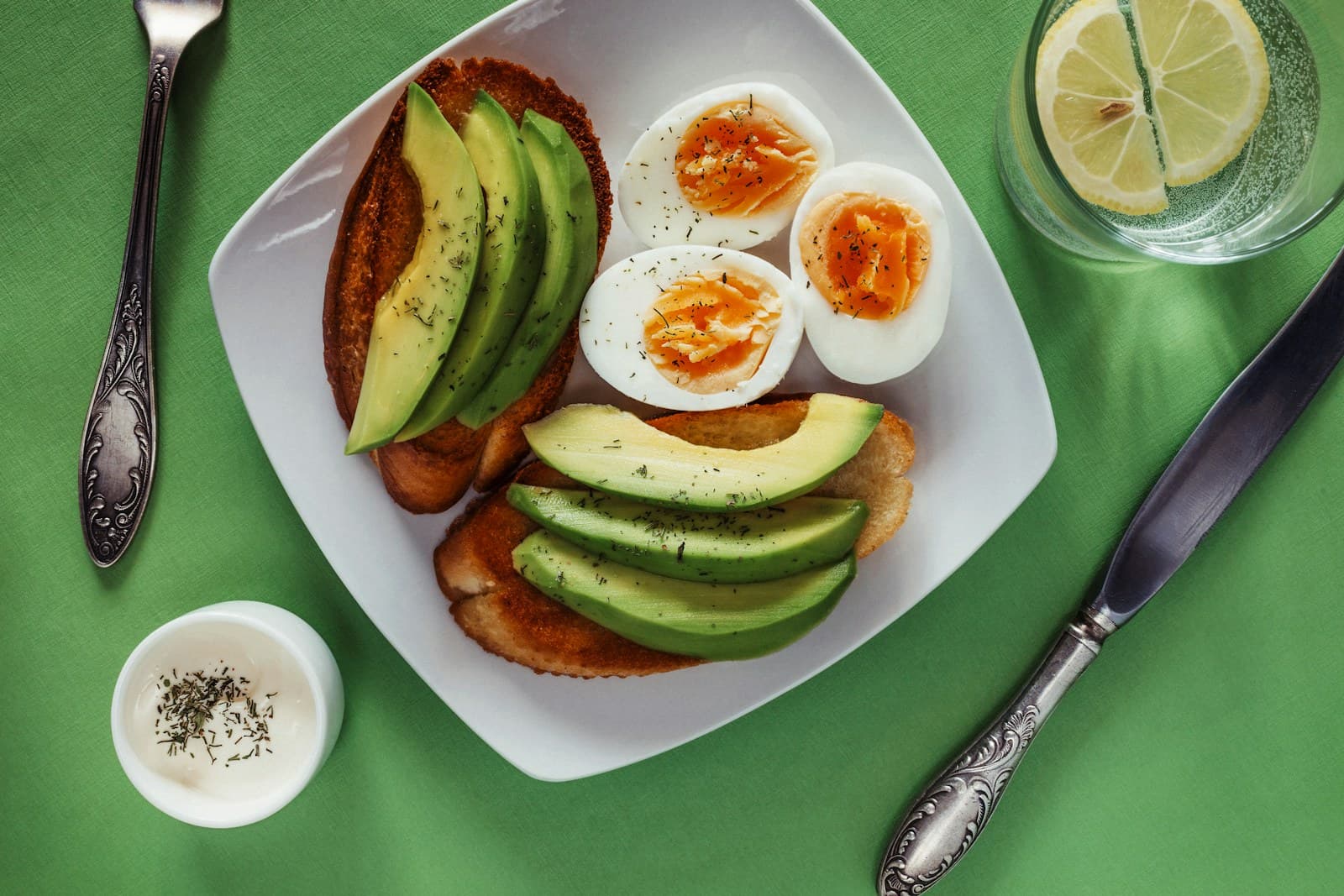
Use serving context and reference records to update protein, carbohydrates, and fat estimates when a meal ingredient changes.
Learn how recipe yield, listed serving size, and the portion on your plate differ—and how to review a photo-based calorie estimate.
Use timestamps, visible ingredients, nearby photos, and brief notes to revisit meal details while keeping calorie and macro estimates editable.
Use recipe yield, container sizes, and intended meals to organize flexible portions without treating photo-based estimates as exact counts.
See when brand details, ingredient lists, and recipe notes can make a photo-based food estimate easier to review and edit with care.
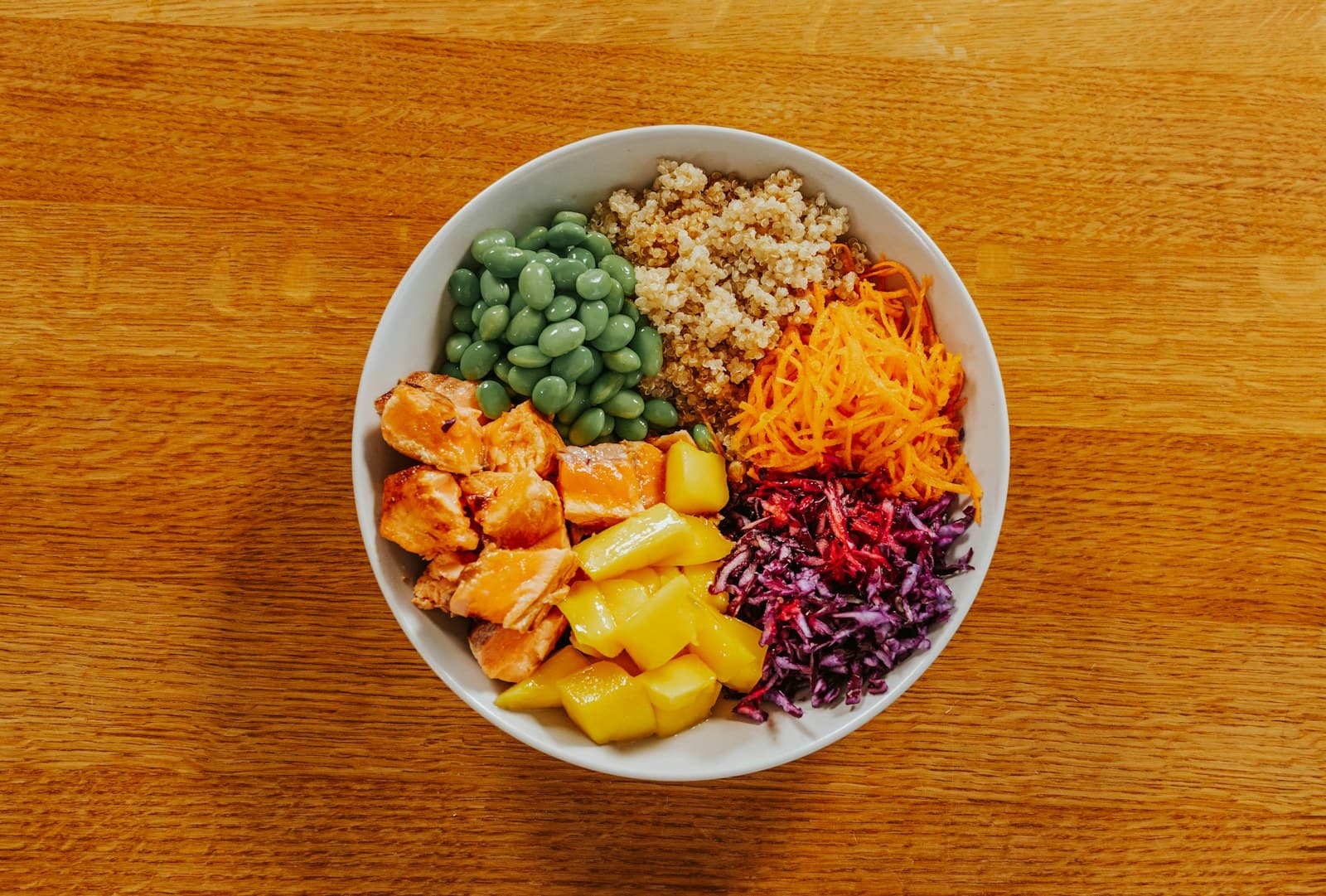
Learn to read servings per container, scale protein to the amount eaten, and review photo-based estimates without confusing label math.
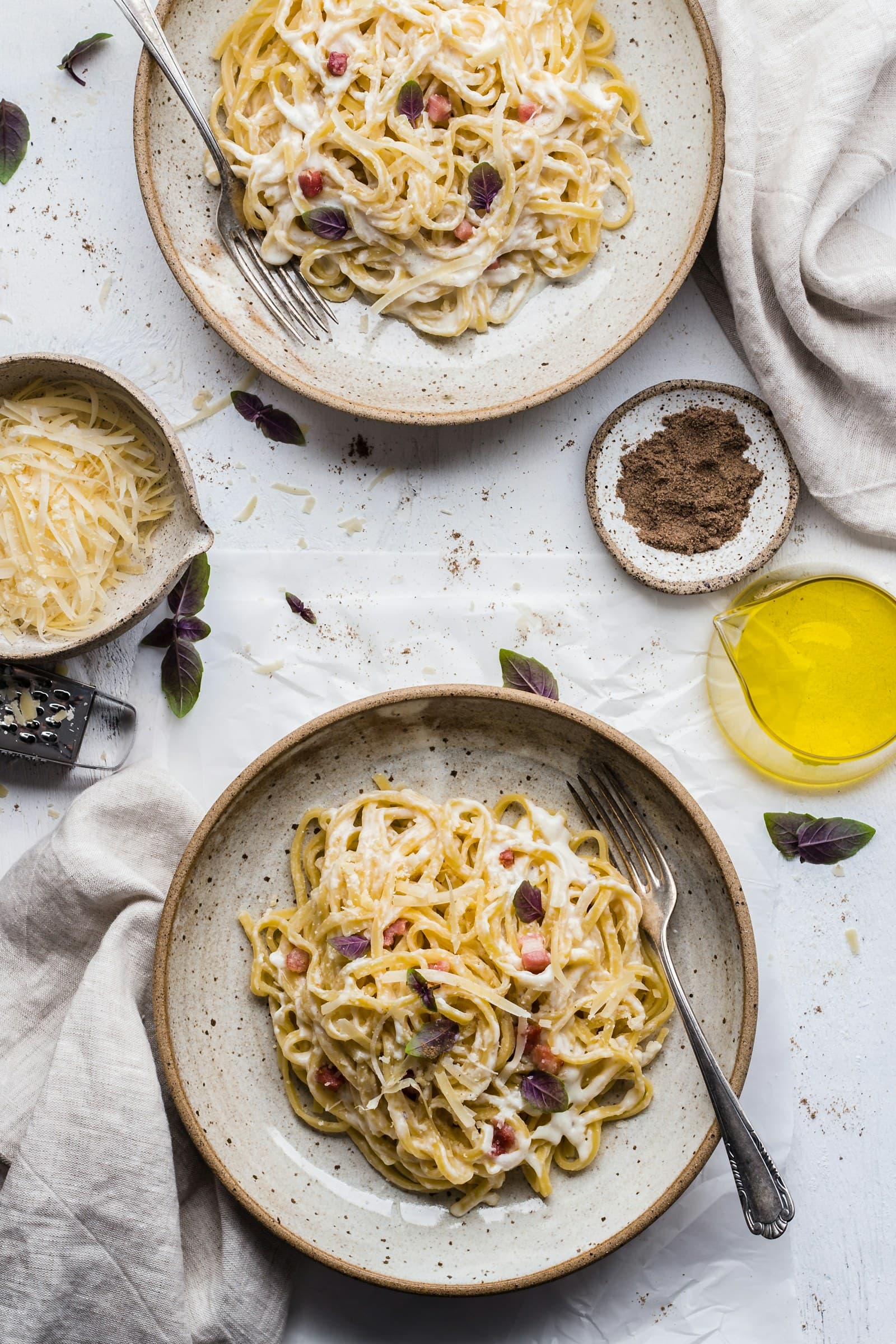
Learn how ingredient references, total yield, and the amount served turn a homemade recipe into a clearer per-portion estimate.
Use a short, low-pressure review to find missing meal names, duplicate entries, and photo-based estimates you already know how to refine.
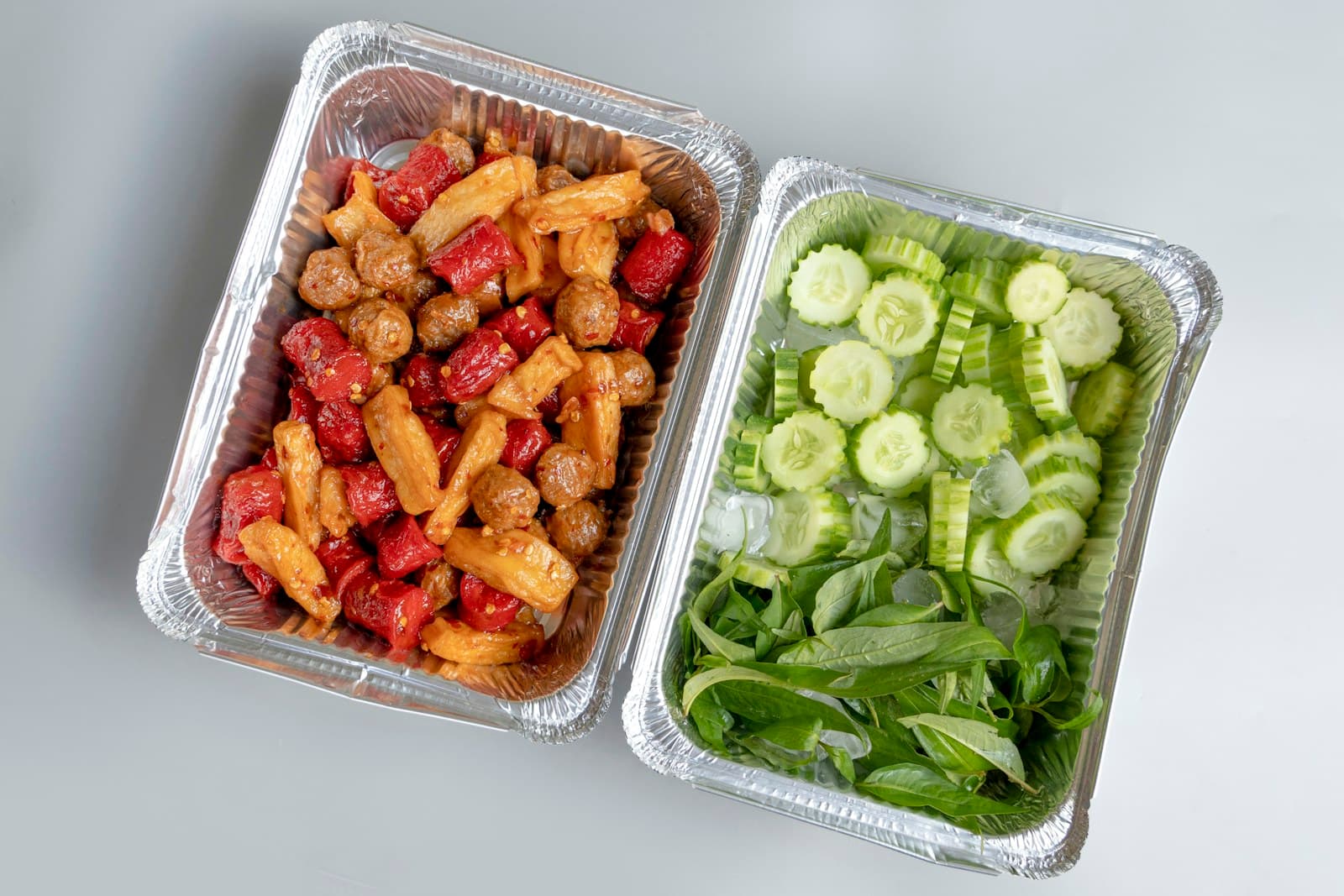
Use shared ingredients, varied sauces, herbs, formats, and sides to make flexible meals while keeping photo-based estimates easy to review.
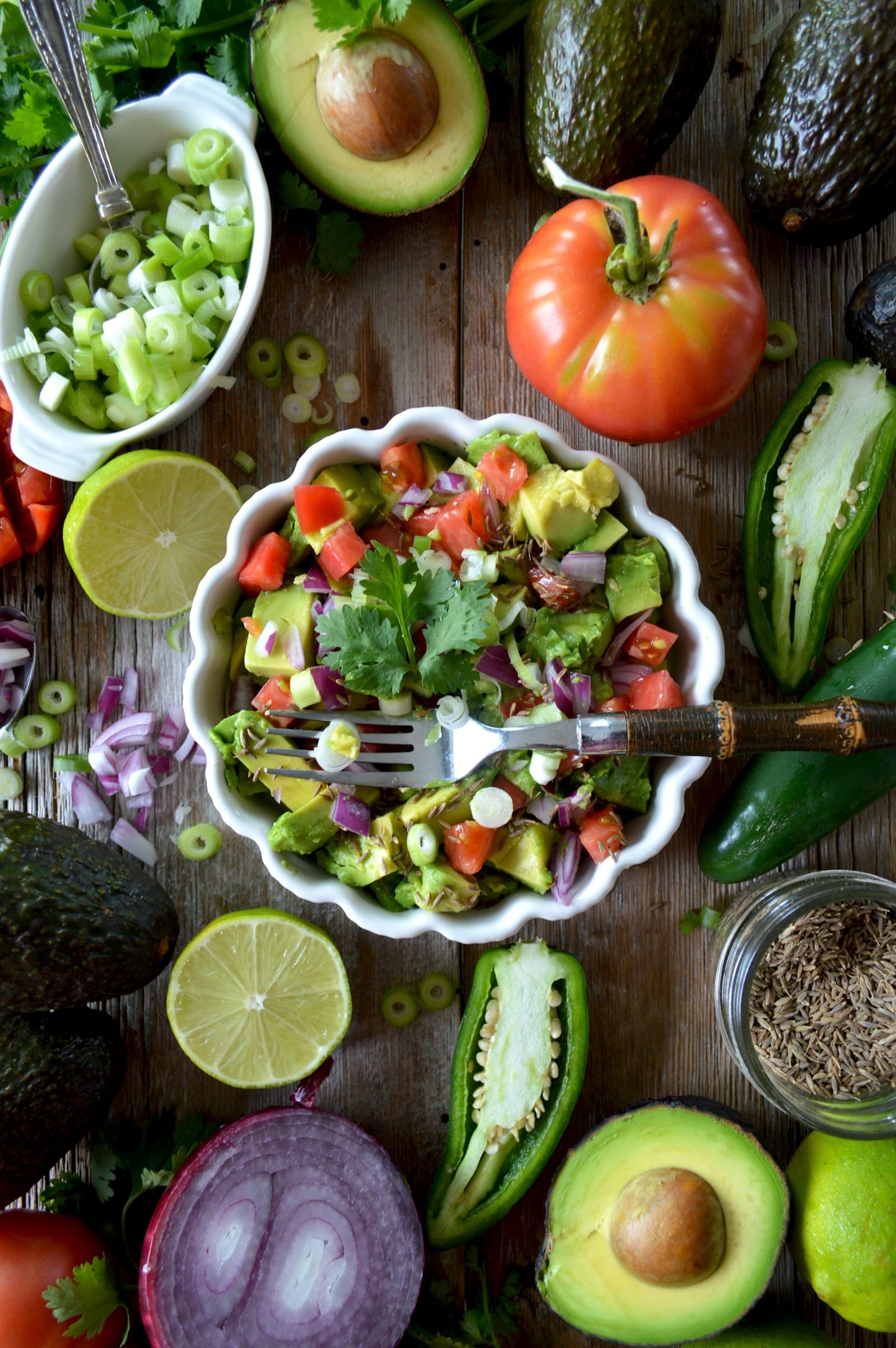
Learn how baked, fried, steamed, grilled, and raw notes can guide better reference choices without overstating photo-based estimates.
Review a side dish on its own, check its portion and label context, then combine its macro estimates with the rest of your meal.
Learn to separate a shared dish from your own portion by using serving context and editable photo-based calorie estimates.
Use a calm weekly review to notice food-group variety, clarify photo-based estimates, and choose useful questions without judging meals.
Build a flexible weekly plan with optional snack components, varied food choices, and editable photo-based estimates without fixed eating rules.