
Food literacy4 min read
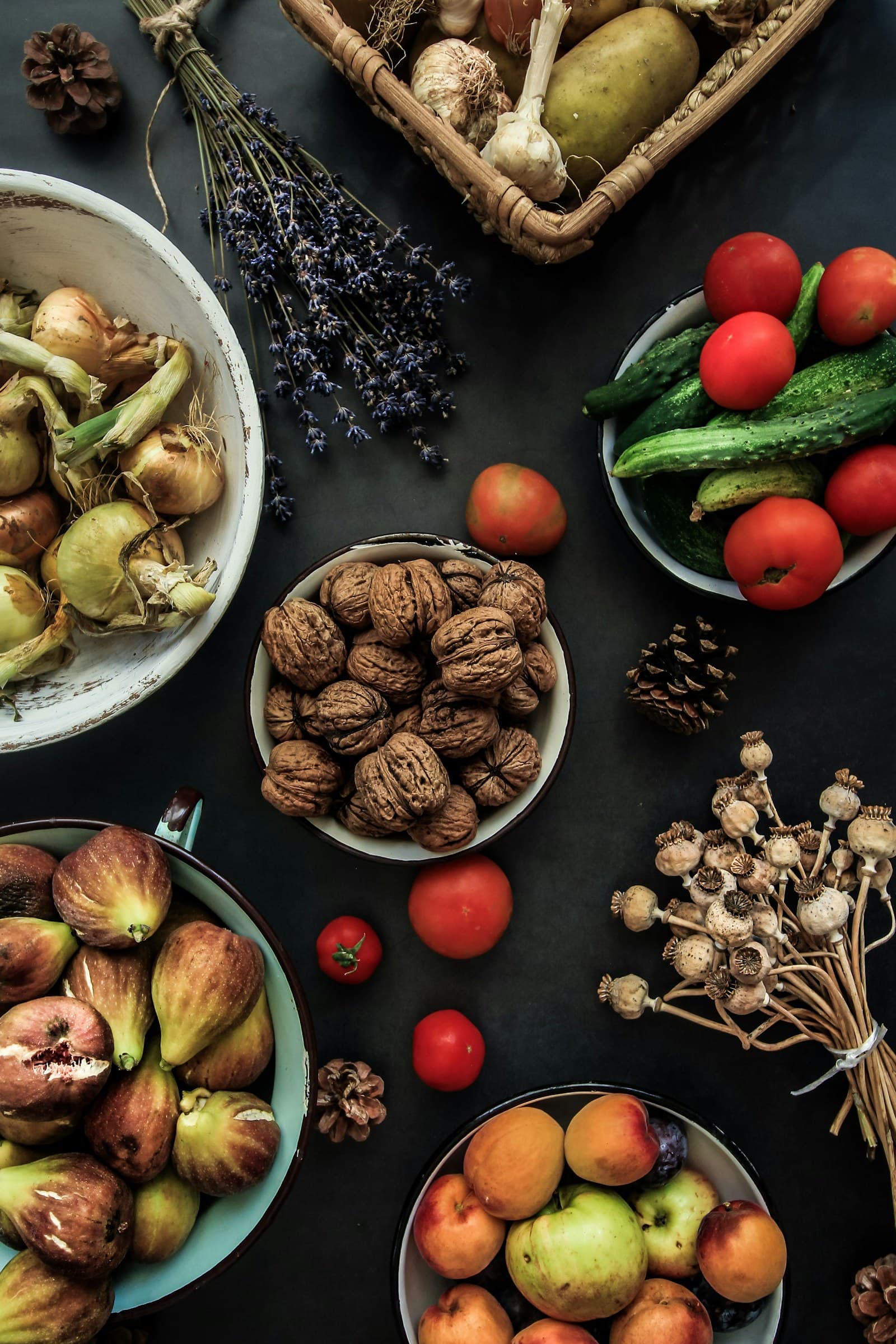
Split a Combination Plate Into Reviewable Foods
A practical photo-review workflow for separating combination plates into foods, checking portions, and flagging uncertain ingredients before saving.
FoodSnap Learn
Clear guides for reading estimates, understanding macros, and planning meals. Visible sources, important context, and no magic promises.
A practical photo-review workflow for separating combination plates into foods, checking portions, and flagging uncertain ingredients before saving.
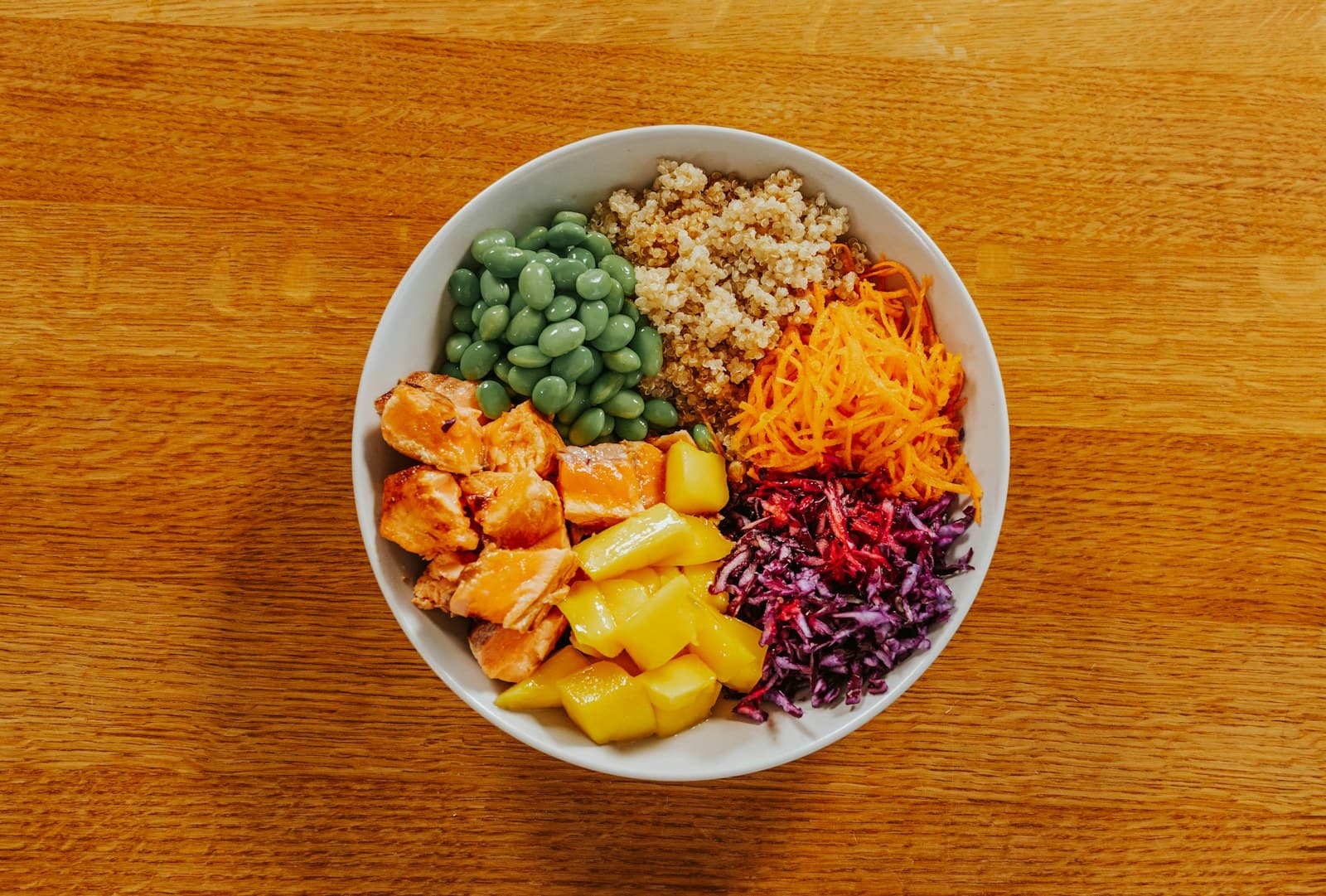
Learn to compare a Nutrition Facts serving with a photographed portion, scale macros thoughtfully, and note uncertainty without overreading the image.
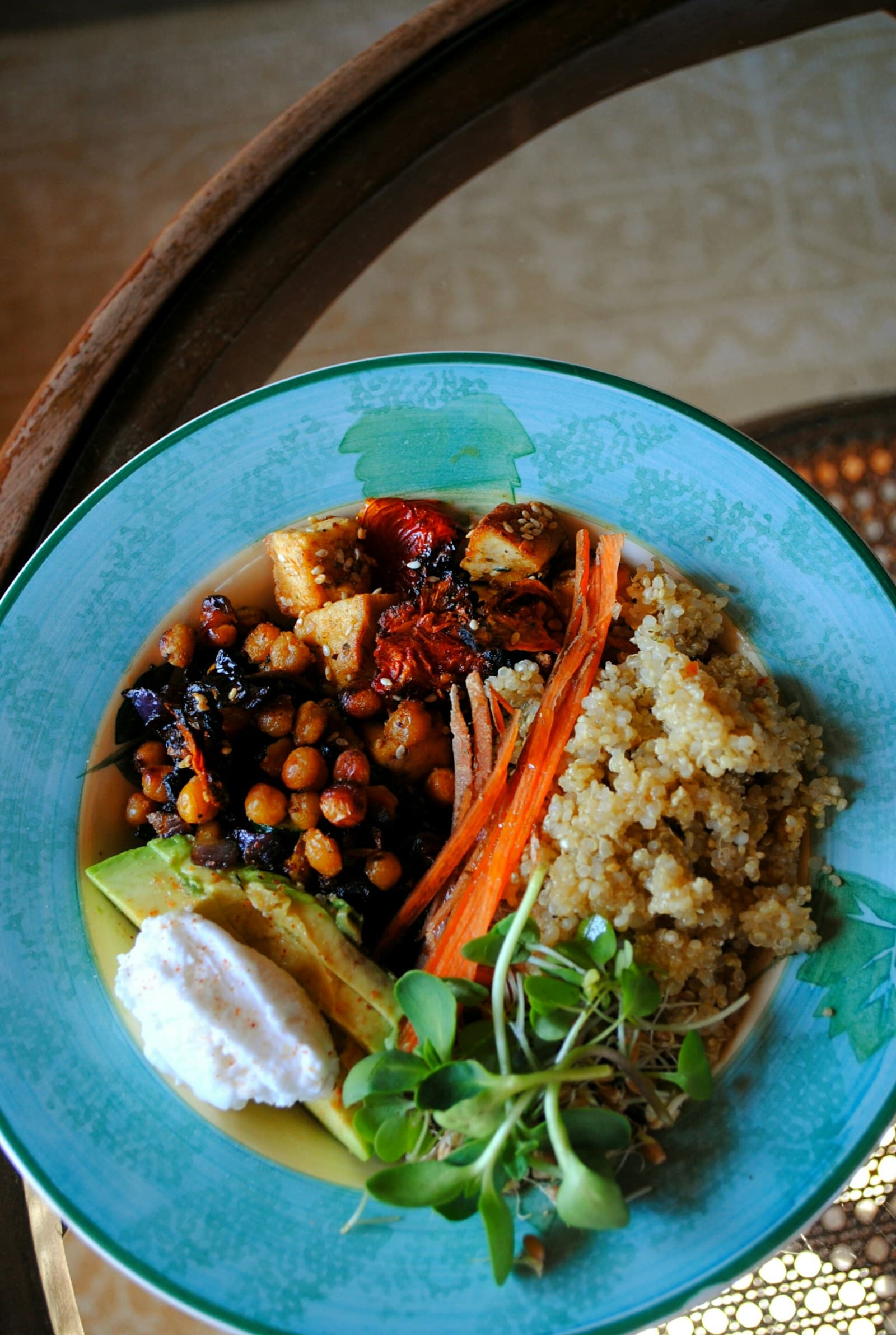
A before-and-after method for subtracting uneaten food from a photo-based estimate while keeping portions and uncertainty visible.
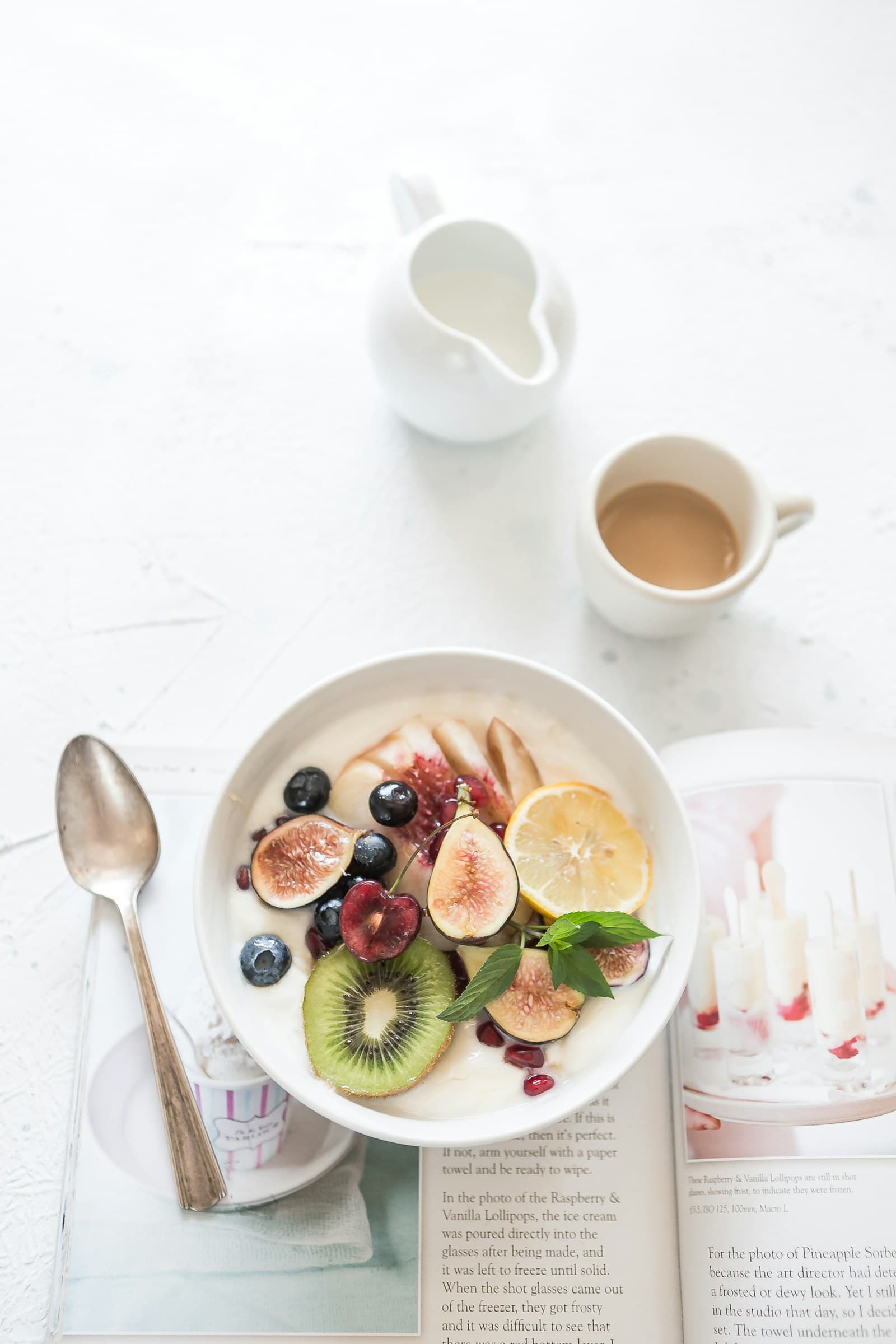
Learn how to separate an unrecorded food from a true zero when reviewing photo-based food logs and editable nutrition estimates.
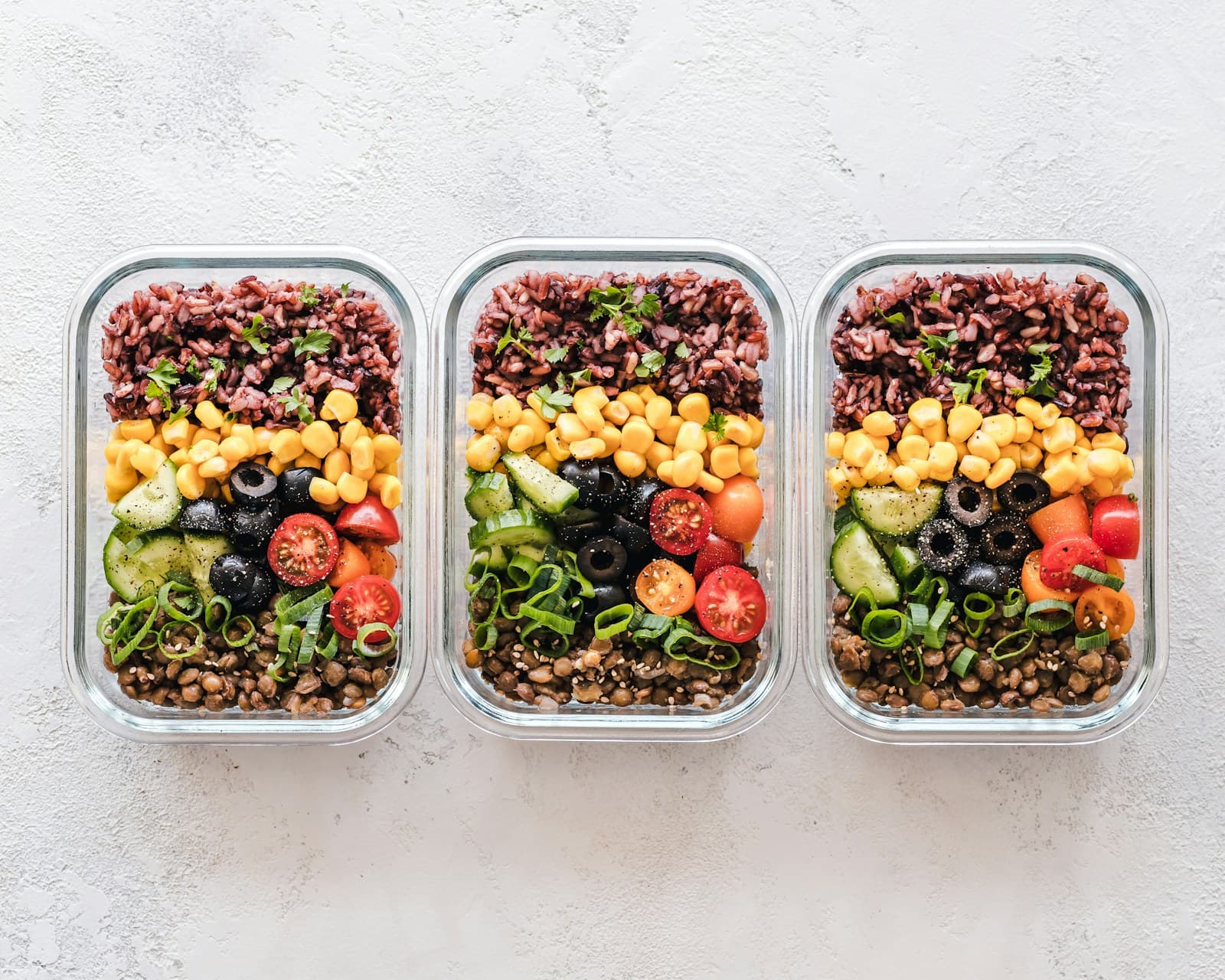
Build a portable lunch from flexible components, using food-group variety and editable portions to make photo-based tracking more useful.
Learn why a specific, honest food name improves photo-based estimates, recipe review, and later comparisons when preparation details are known.
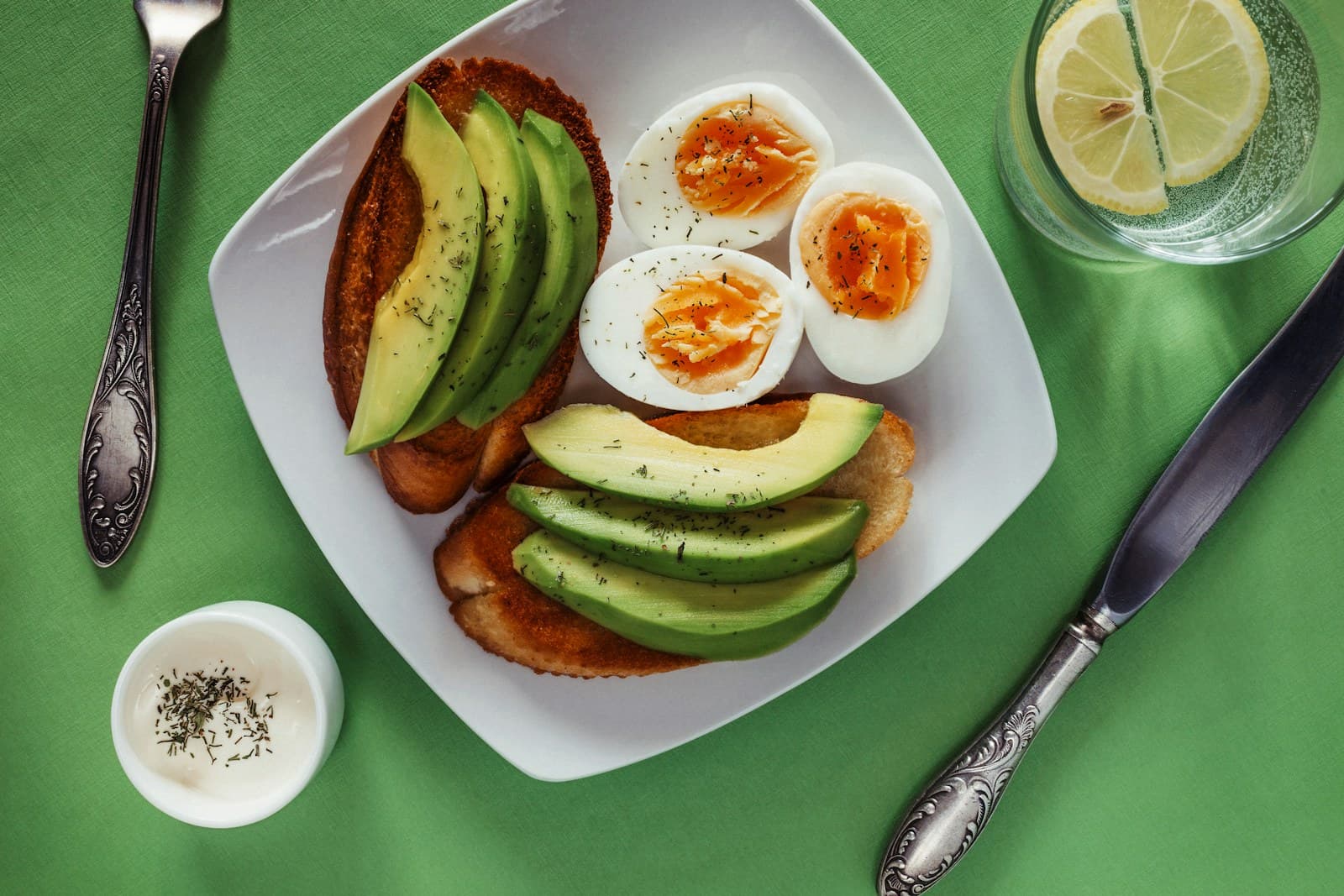
Learn how serving details, preparation, labels, and the portion you actually eat can make a macro review more useful and consistent.
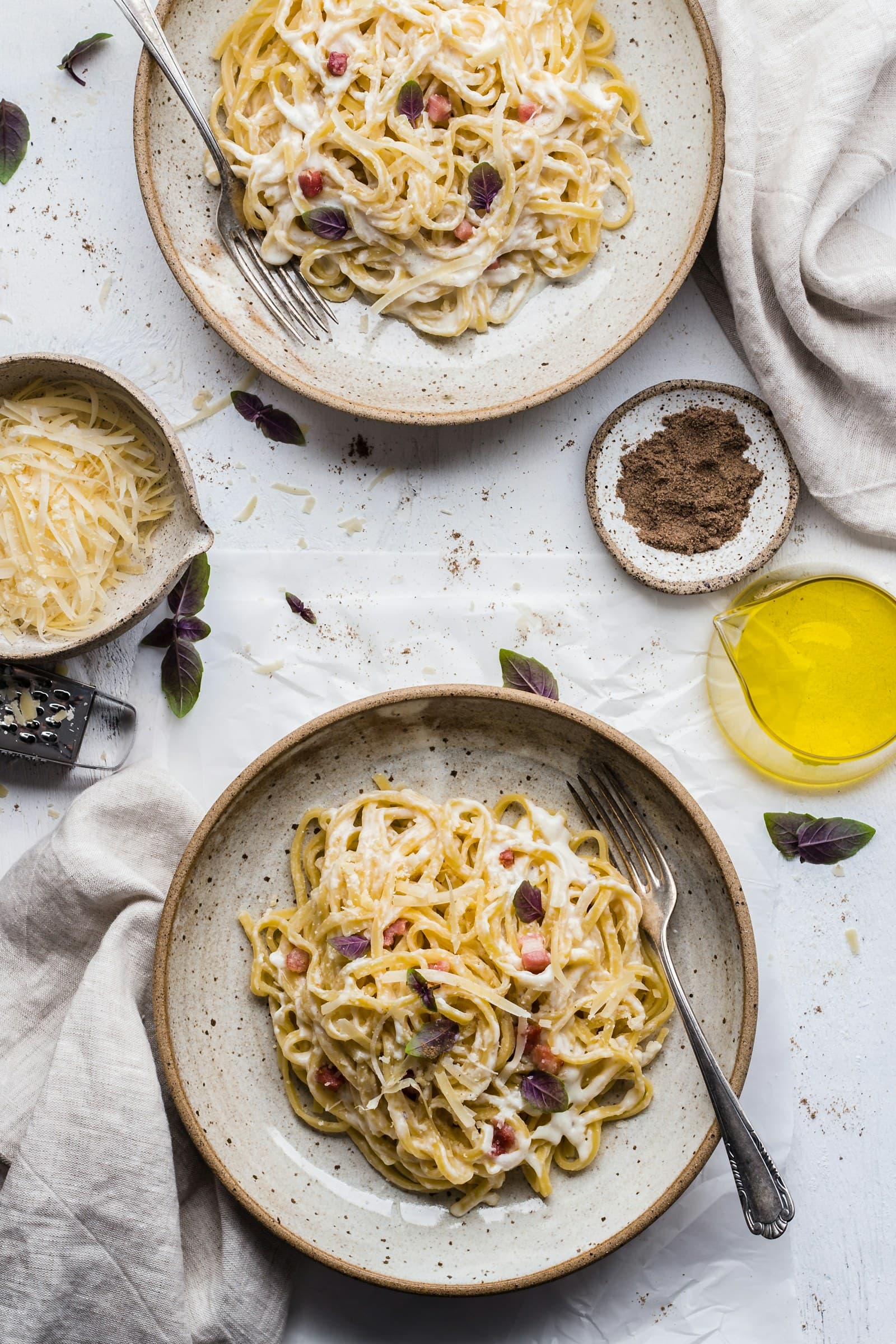
A practical method for logging second helpings and drink refills with clear notes, editable estimates, and no invented amounts.
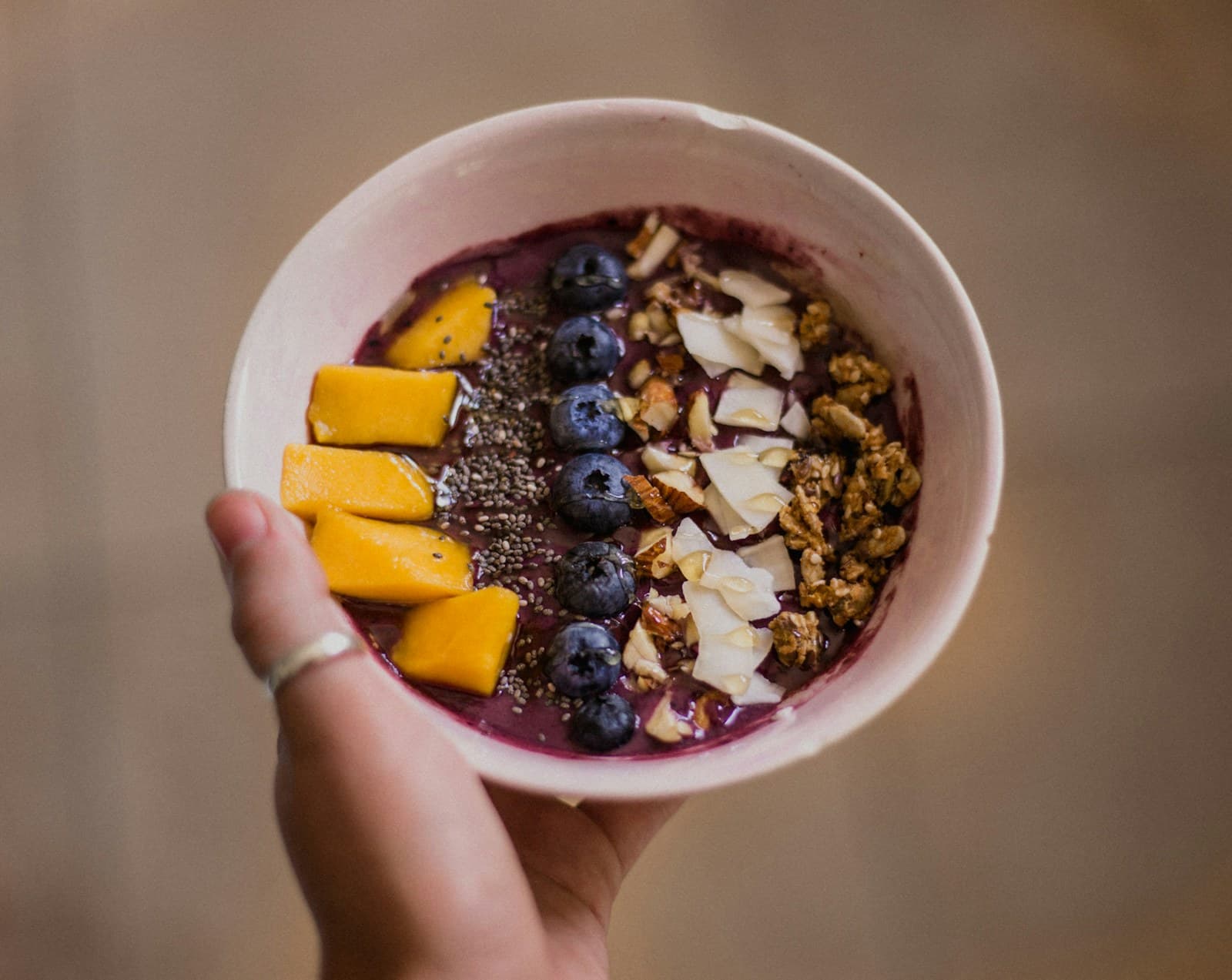
Learn how to compare similar meals and contexts in a food log, using estimates as prompts for reflection instead of judgments.
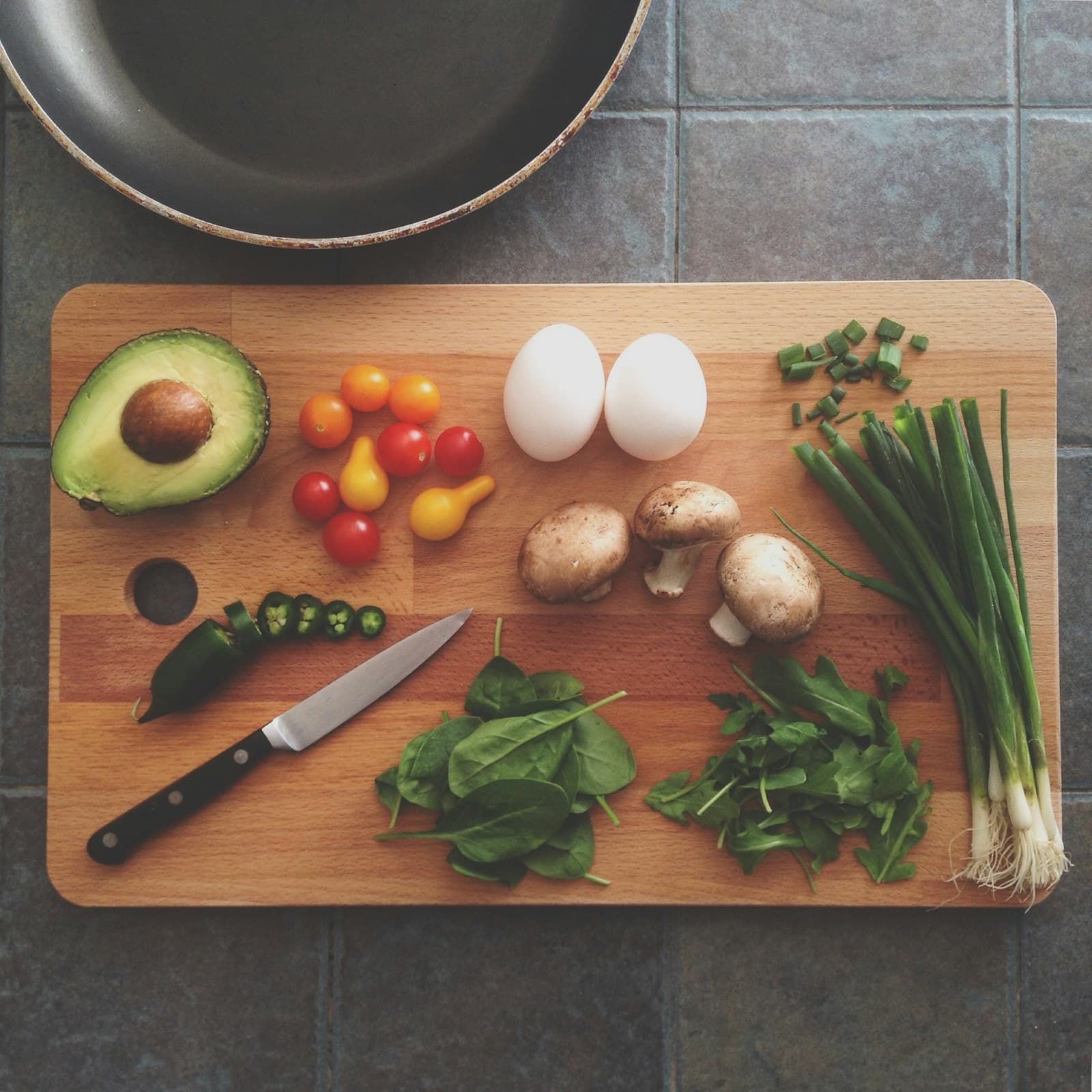
Build a short list of familiar, low-effort backup meals, then use photos and editable estimates to review what actually made it onto your plate.
Learn how to pair a packaged-food photo with serving details and the Nutrition Facts label for a clearer, editable food log.
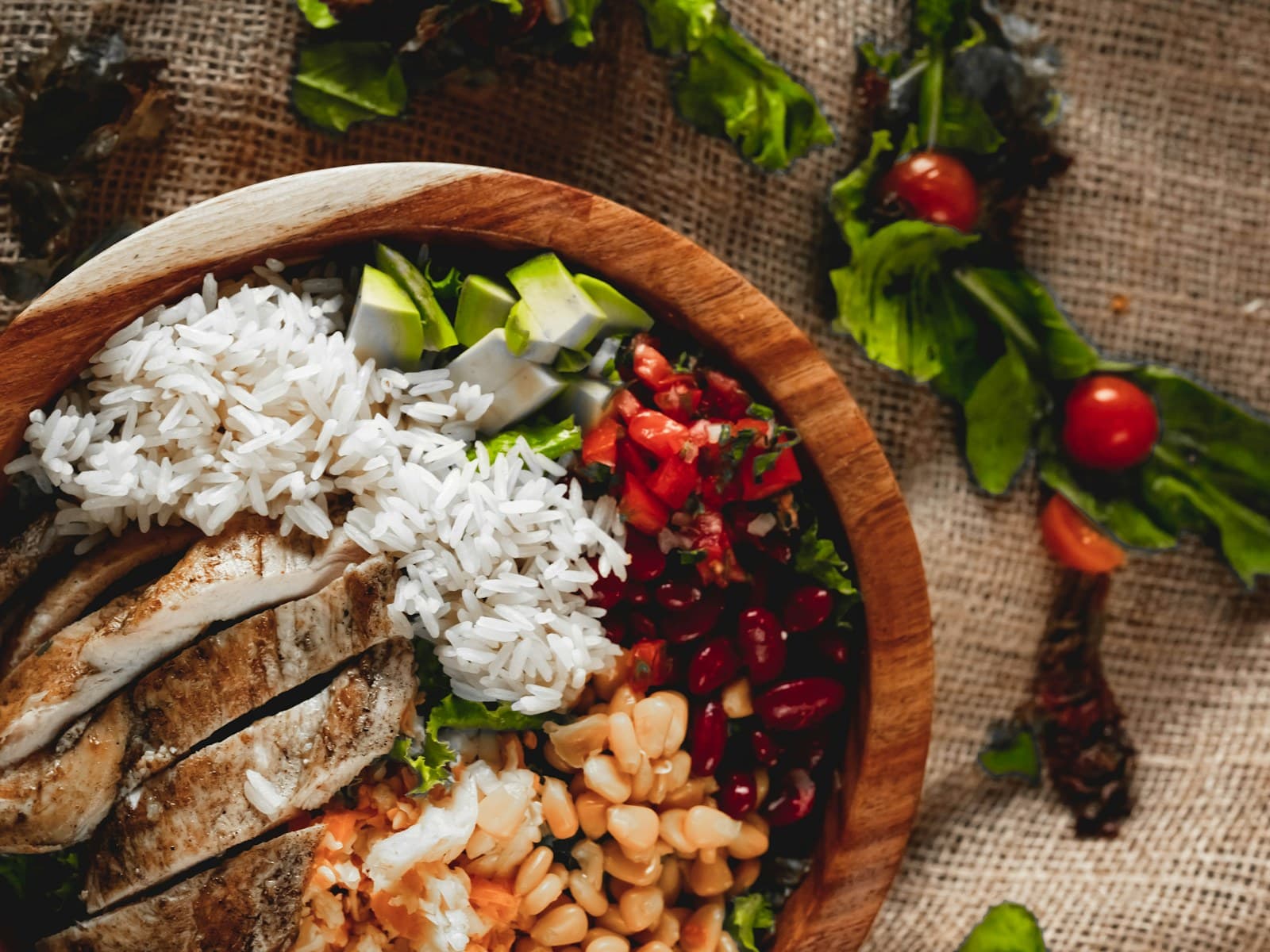
A practical checklist for reviewing grain, dairy, fruit, nut, seed, and topping portions when a breakfast bowl macro estimate needs a closer look.
Learn how plate diameter and bowl depth change visual impressions, and how container size can make photo-based food estimates easier to review.
Use a short note for recipe changes so photo-based food entries are easier to review, compare, and edit later with less guesswork.
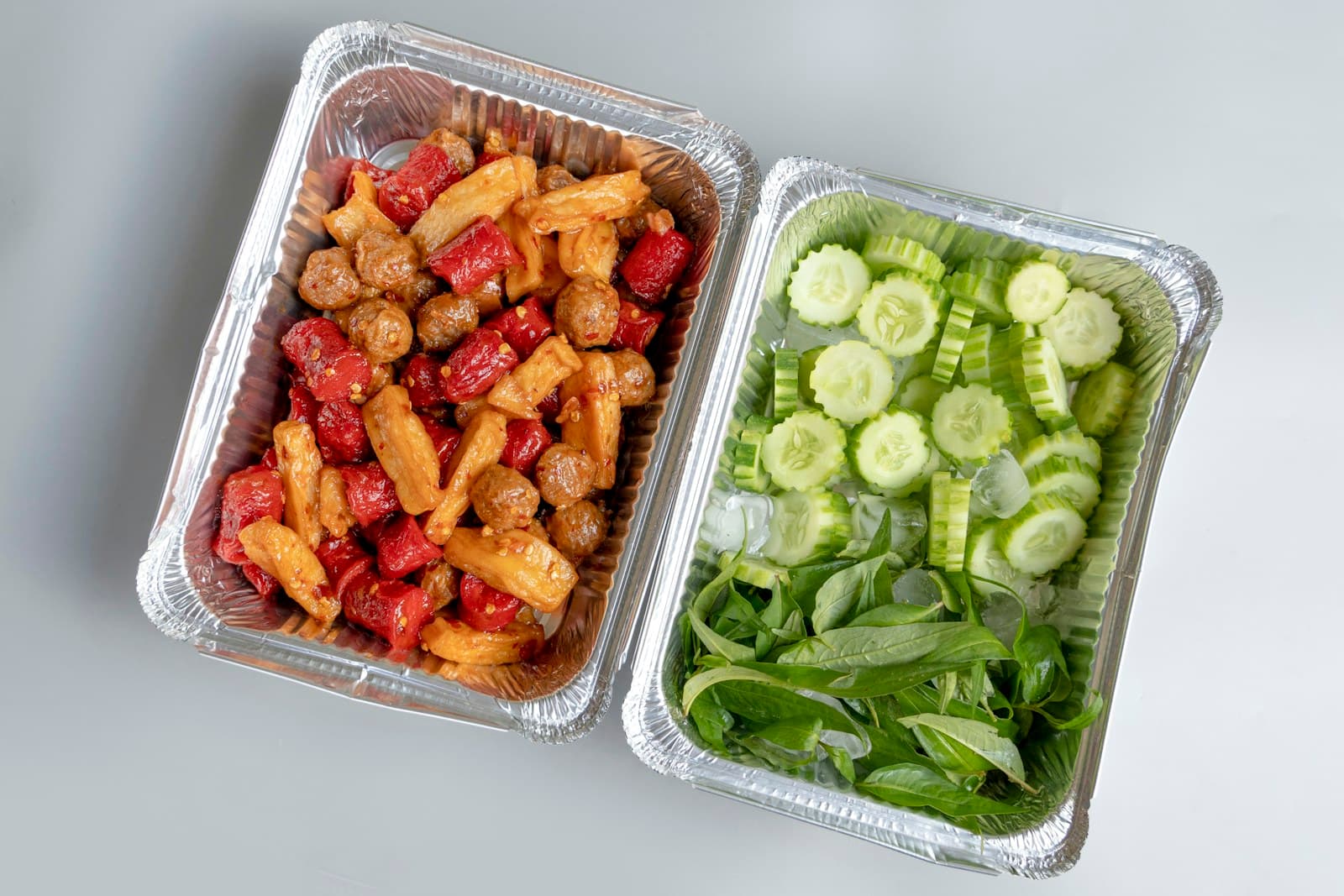
Plan meals with fresh, frozen, and canned foods by comparing availability, preparation, labels, and portions without losing flexibility.
A practical review for spotting foods hidden by toppings, sauces, lids, and wrappers before saving a photo-based food log.
See how recipe, brand, and portion size can change the carbohydrate, fat, and protein estimates for dips and condiments.
Use a calm checklist to decide when a drink belongs in a meal log and what details can make its editable estimate more useful.