
Start with the served plate, not the empty space
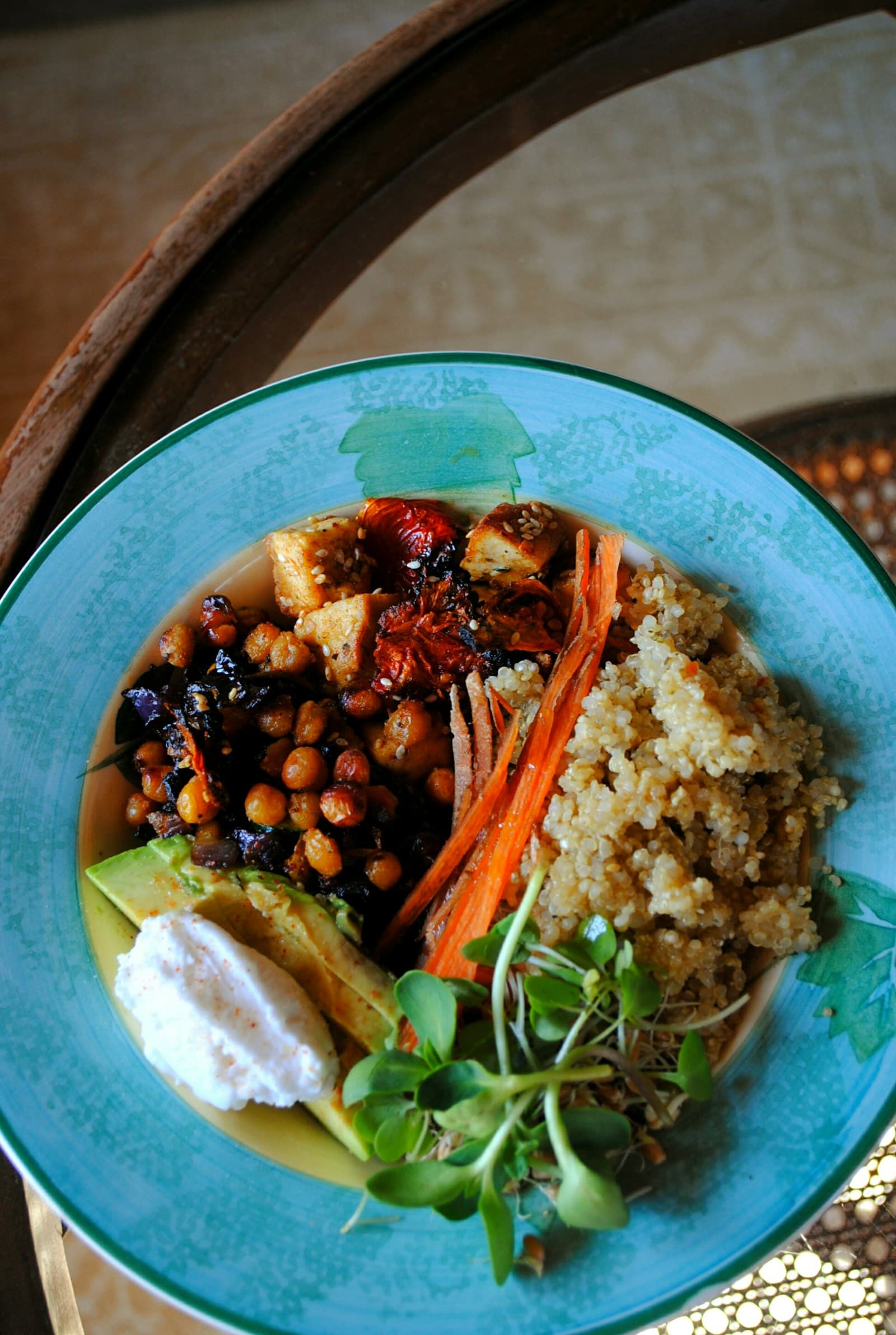
A meal photo usually captures the portion that was placed on the plate. That is a useful starting point, but it does not automatically show how much was eaten. A person may leave part of the rice, remove a garnish, skip some sauce, or eat only a few bites before taking the photo. For a useful before-and-after review, first create an estimate for the food as served, then make a separate adjustment for what remains.
FoodSnap can provide editable calorie, macro, ingredient, and portion estimates from a photo. Treat those values as a working description rather than a measurement. Before editing, check the dish name, the visible components, and the rough amount of each one. If the original photo does not show a component clearly, mark it as uncertain rather than silently assigning a precise amount.
Make a before record you can compare later
The initial record works best when it identifies components separately: rice, beans, chicken, vegetables, dressing, or another visible item. You do not need a perfect inventory. The goal is to create a clear comparison point. A quick note such as “about half the rice and most of the vegetables were served” can be more useful later than one total for an unnamed mixed plate.
If possible, take or keep a second photo from a similar angle after eating. Include the remaining food in the frame, and avoid moving leftovers into a new pile before reviewing them. The second image does not reveal exact weights, but it can show whether a component was untouched, partly eaten, or nearly finished. If no after-photo exists, use a written description of what remained and label the adjustment as lower confidence.
Subtract by component, not by the shape of the plate
Review each food separately. If the chicken appears finished but a noticeable amount of rice remains, adjust the rice estimate rather than reducing every item by the same percentage. If dressing is still visible at the bottom of a container, some of the original estimate may remain uneaten. If a mixed dish was stirred together, use a broad portion description instead of pretending that every ingredient can be separated from the image.
A practical sequence is: identify what is left, compare it with what was served, choose a broad eaten share, and edit only the affected component. For example, “most of the beans eaten, about one-third of the rice left, sauce unclear” supports a more honest revision than “subtract 25% from the meal.” The method can improve the fit of the entry without turning a visual comparison into a calculated quantity.
Keep label context separate from the plate review
Nutrition Facts serving sizes are based on amounts people typically consume; they are not recommendations, and an individual portion can differ. That distinction matters when a label or packaged food appears in the original estimate. A labeled serving can help describe the product, but it does not prove how much was placed on the plate or how much was eaten. Use the label as context for the food, then review the photographed portion and leftovers separately.
MyPlate offers a flexible framework for building variety across food groups. It is useful for describing what kinds of foods appear in a meal, but it does not determine the exact nutrients in a photographed plate. A meal can fit several descriptions depending on its ingredients and preparation. Keep that broader food-group context separate from the before-and-after calculation, which is only an estimate of the portion consumed.
Save the revision with its uncertainty
After editing, review the result once more. Ask whether the remaining food was visible, whether the original and after views were comparable, and whether any ingredient was mixed into a portion that could not be separated. Keep the calorie, macro, ingredient, and portion fields editable when the evidence is weak. A range or a note such as “rice leftover estimate; oil amount unclear” communicates more than a highly specific number unsupported by the photos.
The final note can be short: “Initial plate included rice, beans, chicken, vegetables, and sauce. Most chicken eaten; rice and sauce remained. Adjusted rice downward for uneaten portion; preparation details still uncertain.” This preserves the before-and-after reasoning. It also makes a later comparison easier without implying that the revised entry is a direct reading of the plate.
Sources
- Serving Size on the Nutrition Facts Label — U.S. Food and Drug Administration
- What Is MyPlate? — USDA MyPlate
FoodSnap provides editable nutrition estimates. This article is for general educational purposes and is not a substitute for individualized medical or dietary advice from a qualified professional.