
Why the same food can look different
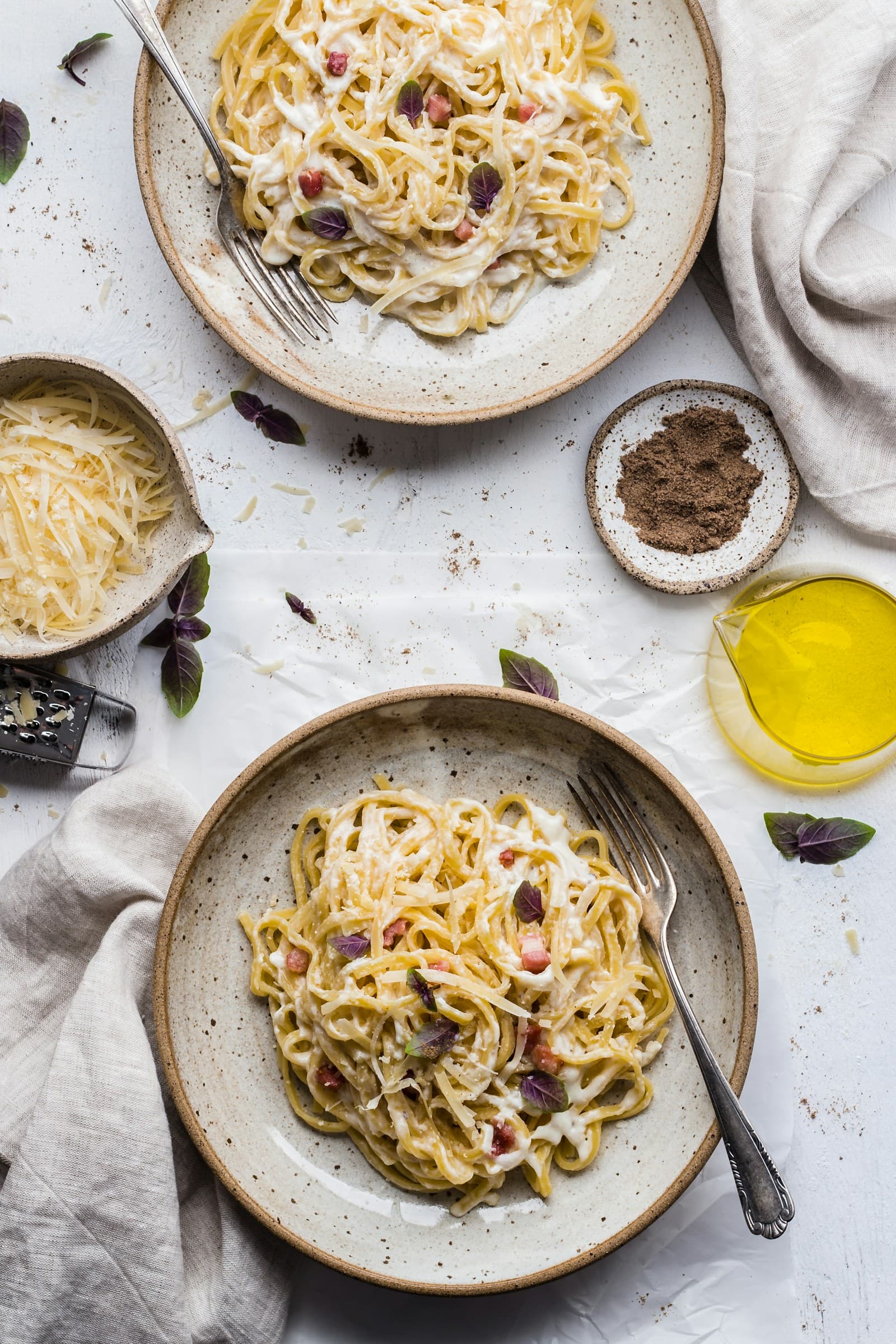
The surface around a meal affects how the meal is perceived. A serving placed on a wide plate may leave more visible space, so it can appear more modest. The same serving on a narrow plate can cover more of the surface and look more substantial. The food has not changed, but its visual relationship with the container has.
This is one reason a food photo should be read as a record with context rather than as a direct readout of quantity. A photo can show the ingredients that are visible and the general arrangement, while the plate or bowl helps you interpret scale. Neither view alone establishes the food’s weight or the number of calories it contains.
Plate diameter adds a useful reference
Plate diameter is most helpful when the meal spreads across a relatively flat surface. Knowing that a plate is a certain size can help distinguish a small portion spread over a large area from a similar-looking portion on a compact plate. It can also make comparisons between photos more consistent when the same dishware is used.
The reference still has limits. A plate may have a wide rim, a sloped center, or food stacked in one area. A filled plate can also contain ingredients with different densities and preparation methods. Use diameter to refine the visual question—“How much surface does this serving occupy?”—rather than to convert the image directly into grams or calories.
Bowl depth changes what the photo shows
A bowl adds another dimension: some of the food may sit below the rim or beneath other ingredients. In a shallow bowl, more of the contents may be visible from above. In a deeper bowl, the visible surface can look smaller even when the container holds food beneath it. This matters for soups, grains, salads, and mixed dishes where layers can hide part of the serving.
Depth is therefore context, not a volume reading. Two bowls with the same opening can differ in shape, and a bowl filled to different levels can present very different photos. A known depth can prompt a closer review of what may be hidden, but it cannot reveal the recipe, liquid-to-solid balance, or amount of each ingredient by itself.
How to use known container size responsibly
When reviewing a FoodSnap estimate, keep the container information next to the image if you know it. Note whether the food is on a small or large plate, in a shallow or deep bowl, and whether the container is full, partly filled, or holding a mound above its base. These details can help you question an estimate that seems out of step with the visible scale.
Use the information to adjust your interpretation, not to create a false sense of certainty. If the estimate assumes a typical serving but the photo shows a broad plate with a thin layer, the result may deserve a closer look. If a deep bowl hides part of a dish, leave room for uncertainty and edit visible ingredients or portions when you have better information. FoodSnap estimates are editable, so the review can reflect what you actually know.
Connect visual context with serving language
The FDA explains that serving sizes on Nutrition Facts labels are based on amounts people typically consume. They are not recommendations, and an individual portion can be different. That distinction is useful here: a container can help describe the portion shown in a photo, but it does not make the label serving size a target or prove that the photographed amount matches it.
MyPlate offers a flexible framework for building variety across food groups. It can help you describe the overall role of foods in a meal, but it does not determine the photographed meal’s exact nutrients. Plate diameter and bowl depth work in the same spirit of context: they support a more careful review without turning a visual estimate into a measurement.
Sources
- Serving Size on the Nutrition Facts Label — U.S. Food and Drug Administration
- What Is MyPlate? — USDA MyPlate
FoodSnap provides editable nutrition estimates. This article is for general educational purposes and is not a substitute for individualized medical or dietary advice from a qualified professional.