
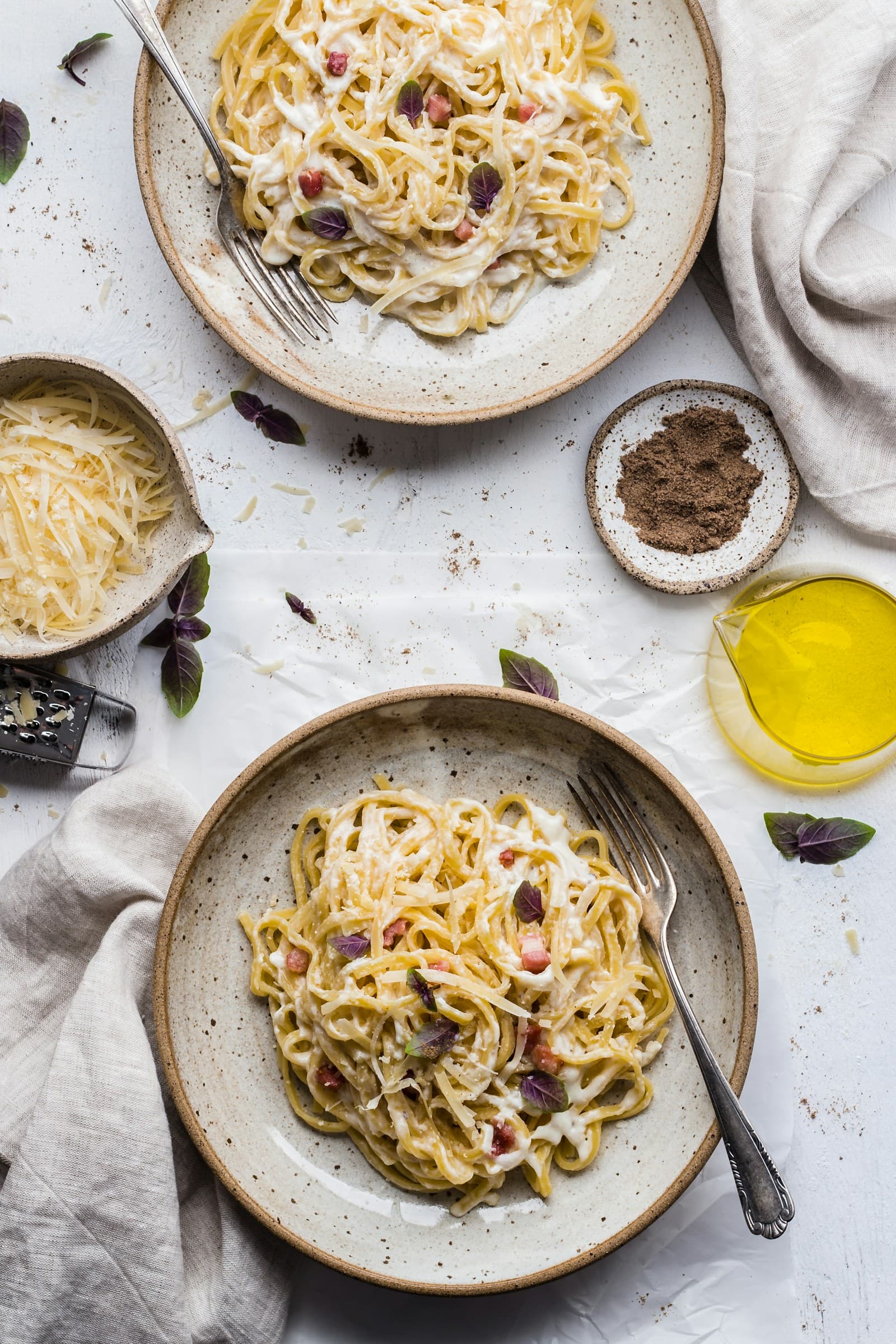
Start by separating what is on the plate
A mixed meal is easier to review when you stop treating it as one undivided object. Begin with a simple inventory: the main protein or alternative, starches such as rice or noodles, vegetables or fruit, sauces, toppings, and drinks. If two foods overlap, note both possibilities rather than forcing the hidden layer into a single confident guess. A bowl of curry over rice, for example, may contain a visible base, a covered portion of rice, a sauce, and small additions that matter to the estimate.
This first pass is about structure, not judgment. Draw an informal boundary around each visible component and ask what the photo actually supports. A spoonful of sauce may be identifiable while its recipe is not. A piece of chicken may be visible while its cooked weight remains unclear. FoodSnap can provide editable calorie, macro, ingredient, and portion estimates from a photo, so the useful starting point is a reviewable list rather than a fixed verdict.
Use visual comparisons as questions
After identifying the components, compare each portion with a familiar object or serving vessel. The width and depth of the plate, the size of a bowl, a fork, or a measuring cup placed nearby can provide context. Look at the food’s footprint and height, remembering that a mound, a thin spread, and a compact piece can occupy similar areas while containing different amounts. When the camera angle hides depth, keep the estimate broad and flag that limitation.
These comparisons are prompts for editing, not a substitute for a scale or recipe. Ask, “Does this look closer to a small scoop, a standard bowlful, or a heaped serving?” Then check whether the answer changes if the food is packed, fluffy, sliced, or spread out. A side view or a second photo can make the review more informative, but even then, the result remains an estimate based on visible clues.
Review mixed ingredients in layers
For combination dishes, review the meal in layers: base, main mixture, additions, and finishing ingredients. With a burrito bowl, that might mean rice, beans, meat, vegetables, cheese, salsa, and dressing. With pasta, it could mean noodles, sauce, protein, vegetables, and oil or cheese added at the end. This approach reduces the chance that a prominent ingredient absorbs the whole estimate while smaller components disappear from view.
Pay special attention to ingredients that are easy to miss. Oils, creamy sauces, grated cheese, nuts, seeds, and sugar-containing dressings may be thinly distributed rather than visually large. On the other hand, a dish that looks dense may contain air spaces or a substantial amount of vegetables. If you cannot tell whether a topping is present, record it as uncertain or choose a lower-confidence range rather than presenting one interpretation as established.
Use food groups for context, not arithmetic
MyPlate presents food groups as a flexible framework for building variety. You can use that framework to ask whether the photo appears to include foods from several groups: fruits, vegetables, grains, protein foods, and dairy or fortified alternatives when present. In a mixed meal, this is a way to describe composition and notice what is visible. It is not a rule that every plate must match a diagram, and it does not calculate the meal’s nutrients from a photograph.
The FDA explains that serving sizes on Nutrition Facts labels reflect amounts people typically consume and are not recommendations. That distinction helps when comparing a photographed portion with a package label: the label’s serving size is a reference for the packaged food, while the amount on an individual plate can differ. Use the label, recipe, or restaurant information when available, and keep the visual estimate separate from those more specific inputs.
Edit the estimate and record uncertainty
A practical review ends with targeted edits. Change the portion when you know the bowl was only half full, the rice was left behind, or the sauce came in a separate container. Replace a generic ingredient with a more specific one when the menu, recipe, or package makes that possible. If several edits are uncertain, change one assumption at a time so you can see which part has the greatest effect on the total.
Keep a short note beside the estimate: “sauce mostly left,” “rice hidden under vegetables,” or “oil amount unknown.” The note preserves the reason for the range and makes a later review easier. FoodSnap’s editable estimates are useful here because the photo can begin the conversation without ending it. The goal is a transparent working estimate that reflects what you saw, what you know, and what remains unclear.
Sources
- Serving Size on the Nutrition Facts Label — U.S. Food and Drug Administration
- What Is MyPlate? — USDA MyPlate
FoodSnap provides editable nutrition estimates. This article is for general educational purposes and is not a substitute for individualized medical or dietary advice from a qualified professional.