
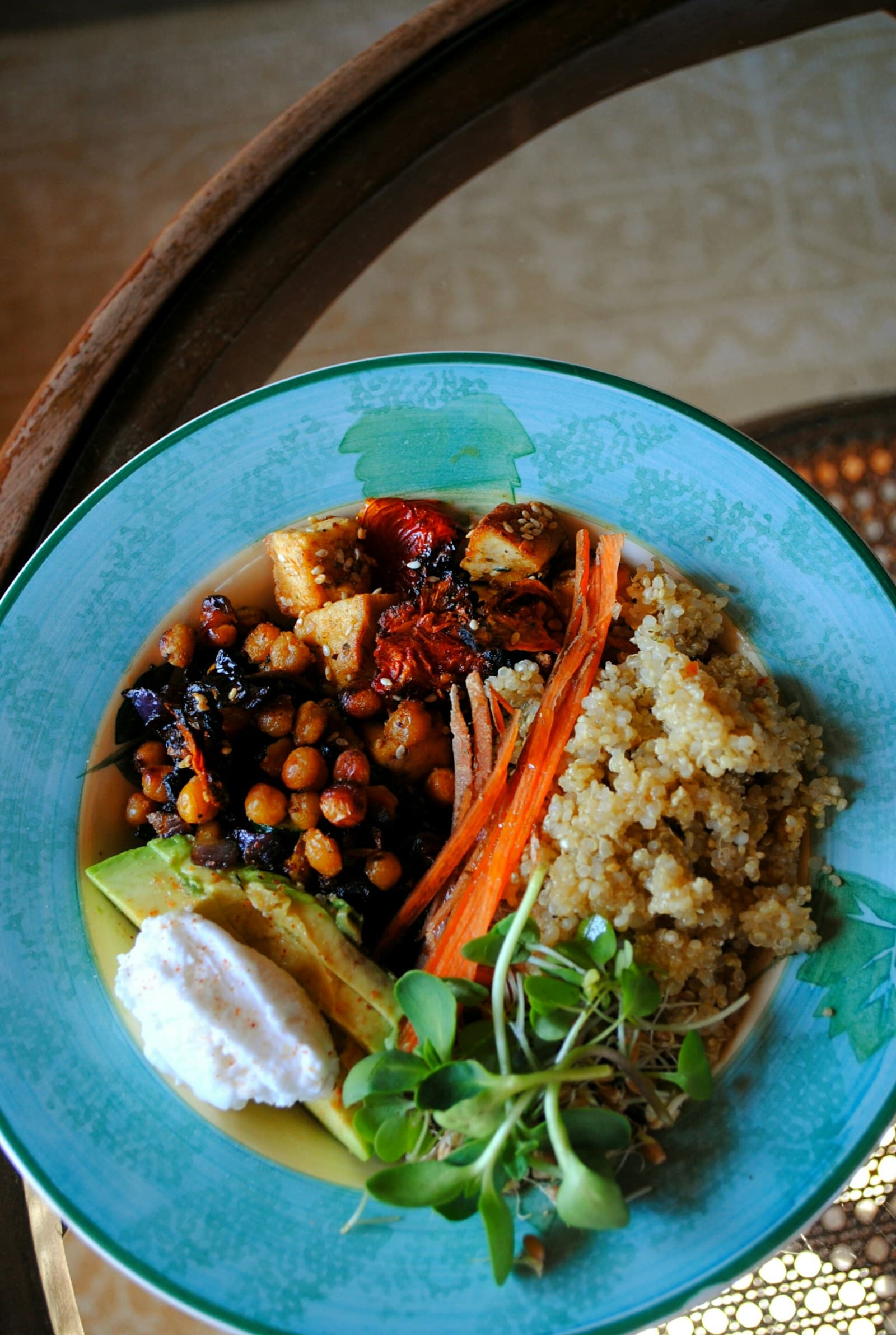
Start with the broth, but do not stop there
Broth is the first visual layer in a soup or stew, yet it is rarely the whole calorie story. A clear-looking bowl may contain vegetables, beans, noodles, meat, grains, dairy, or cooking fats. A thicker stew may also include liquid that has been reduced during cooking. For an editable estimate, identify the liquid base first, then account for what is suspended in it or resting beneath it.
A photo usually gives the strongest clues about what is visible, not the full recipe. If the broth is known to be plain, seasoned, creamy, or made from a concentrated base, record that context. If it is unclear, keep the broth component editable instead of letting its appearance stand in for a precise recipe. FoodSnap estimates are starting points for review, not measurements or guarantees.
Separate the solid ingredients
Solid ingredients often explain most of the variation between bowls that share the same broth. Look for the items that occupy the spoonfuls: pieces of meat, beans, lentils, potatoes, pasta, rice, corn, tofu, or vegetables. Then consider ingredients that may be distributed through the liquid, such as shredded meat, puréed vegetables, cream, cheese, or a blended base.
The useful question is not only “What is in the bowl?” but also “How much of each part is here?” A few large chunks and a bowl filled with small pieces can produce different estimates. When a photo cannot show the bottom of the bowl or the ingredients hidden by broth, label those parts as uncertain and edit the estimate if the recipe or serving details are available.
Account for concentration and recipe method
The same recipe can look different depending on how much liquid it contains at serving time. A soup served with plenty of broth may spread its ingredients across a larger volume. A stew that has simmered down may look denser, with less visible liquid around the solids. Adding water or stock to leftovers can also change the amount in each bowl without changing the ingredients in the pot.
Recipe details help resolve that ambiguity. Note whether the dish was made from a packaged base, a homemade recipe, a can, or leftovers; whether cream, coconut milk, oil, or another ingredient was added; and whether the bowl came from a thick or more liquid portion. USDA FoodData Central provides reference nutrient records, but values can vary by food entry, brand, recipe, preparation, and portion. Choose the closest reference and keep the result open to revision.
Use bowl size and serving count together
A calorie number has meaning only alongside the amount it describes. The FDA advises checking serving size and servings per container before interpreting calories and nutrients on a Nutrition Facts label. The same habit helps with soup: distinguish a small cup, a regular bowl, a large bowl, and a refill rather than treating every vessel as one serving.
Estimate the filled portion, not just the container. A wide, shallow bowl may look generous while holding less than a narrow, deep one, and a bowl filled mostly with broth differs from one packed with solids. If the recipe makes several servings, compare the amount in the photographed bowl with the intended serving count. If you ate more or less than shown, edit the portion so the record describes what you actually had.
Make the estimate useful without overreading it
A practical review can follow a short order: identify the broth, list the solid ingredients, note the recipe’s thickness and additions, then check the bowl’s filled amount. Mark the details that are visible and the ones that are assumptions. This creates a clearer explanation for the estimate and makes later corrections easier when you learn the recipe or see the leftovers.
FoodData Central can serve as a reference when you need a comparable food entry, while a label can help when the soup or stew is packaged. In either case, read the serving information first and compare it with the portion you ate. With FoodSnap, use the estimate as an editable record: adjust the ingredient, preparation, or portion when better information becomes available, and focus on a consistent review process rather than a single number.
Sources
- USDA FoodData Central — U.S. Department of Agriculture
- How to Understand and Use the Nutrition Facts Label — U.S. Food and Drug Administration
FoodSnap provides editable nutrition estimates. This article is for general educational purposes and is not a substitute for individualized medical or dietary advice from a qualified professional.