
Calories from photo: how a meal image becomes an estimate.
To estimate calories from photo input, FoodSnap starts with visible food and portion clues—not the whole story—then lets you add the context only you know.
Leer esta página en español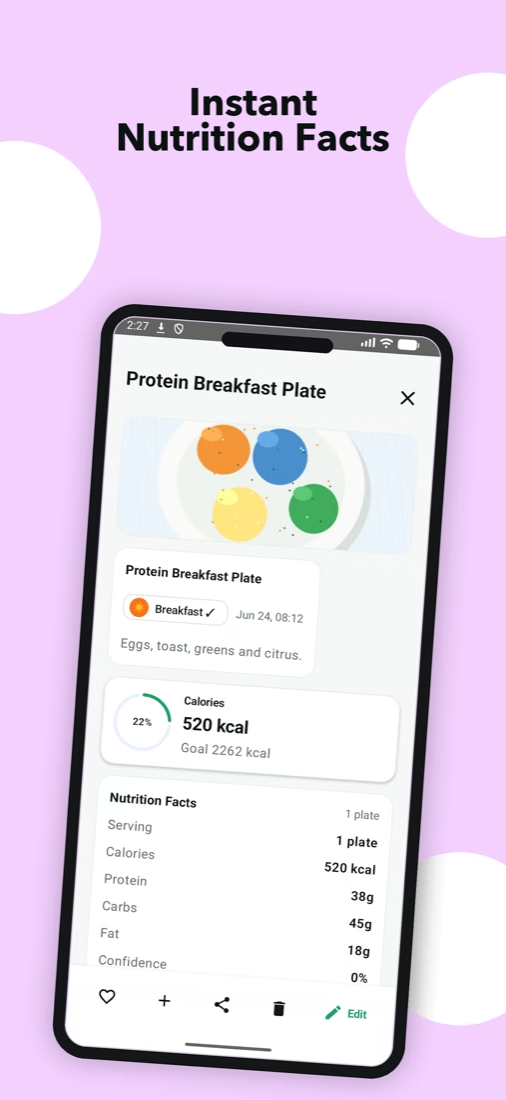
The visual clues inside a meal image
Color, shape, texture, plate coverage, and the relationship between foods can all help identify what a photograph contains. FoodSnap uses these visible clues to suggest foods and approximate portions before organizing the result into calories and macros.
Some clues remain ambiguous. A spoonful of dressing can vary in ingredients; a bowl has depth that a flat image does not show; and cooking methods can change energy density. The app therefore treats the output as an editable estimate.
- Show the plate edge when possible
- Avoid strong shadows or blurred movement
- Keep side dishes and drinks in frame
- Add recipe details during review
Why calories cannot be read directly from pixels
Calories describe the energy associated with a quantity of food. A photograph captures appearance, not exact weight or full composition. The estimate depends on recognizing the food and approximating how much is present.
That distinction explains why a barcode, kitchen scale, recipe, or restaurant nutrition sheet may sometimes provide better input. FoodSnap lets visual estimates live alongside other logging methods rather than pretending one method is ideal for every meal.
Use ranges and patterns thoughtfully
A single estimate is less informative than a consistent record reviewed over time. Look for repeat meals, typical portions, and broad macro patterns. Correcting known details helps future comparisons stay meaningful.
Numbers from a photo should remain in context. FoodSnap supports general tracking and education; it is not intended to provide a diagnosis, a therapeutic diet, or an exact biochemical measurement.
The estimate is the start. Your review makes it yours.
FoodSnap helps you log faster without hiding the uncertainty in a food image.
Common questions
Can a photo determine the exact weight of food?
No. It can support a portion estimate, but exact weight requires additional information or measurement.
Why should I include the plate edge?
A visible size reference can provide useful context for the approximate scale of the foods.
What information does an image-to-calories estimate use?
It uses visible clues about the food, portion, and preparation. Exact weight and ingredients hidden from the camera still require your input.
Why can two photos of the same meal produce different estimates?
Lighting, angle, framing, and how much of the meal is visible can change the available clues. Review both results rather than treating either as an exact measurement.