
Photo macro tracker for protein, carbs, fat, and calories.
As a photo macro tracker, FoodSnap keeps protein, carbohydrates, and fat visible beside each calorie estimate so you can understand how your food log is composed.
Leer esta página en español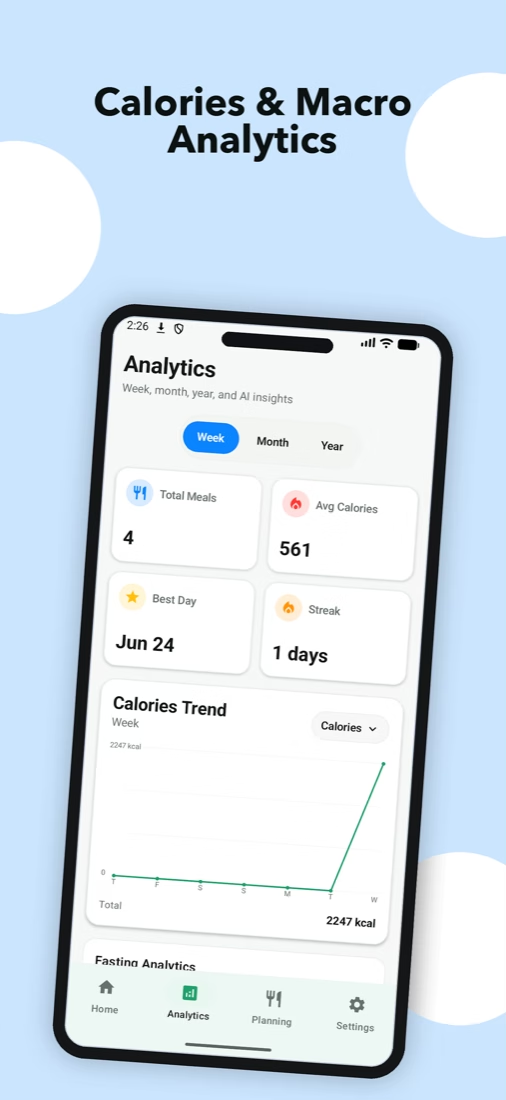
Track the same four signals together
Logging calories without their macronutrient context can hide meaningful differences between meals. FoodSnap places estimated calories, protein, carbohydrates, and fat together when you review a scan or manual entry.
The daily view and charts help you compare these values with the personal goals you configured. They are planning references rather than universal targets, and every photo-based value remains open to correction.
- Calories and three main macros in one entry
- Editable serving sizes and food details
- Daily progress and longer-term charts
- History for checking repeat meals
Why portion edits matter for macros
Macro values scale with the amount eaten, so a portion error affects more than the calorie total. A larger piece of protein, extra rice, or added dressing can change the distribution shown for the meal.
When you know the serving weight or recipe, use it. When you do not, keep the estimate in perspective and focus on patterns rather than treating each gram as exact.
Build a log you can actually maintain
Consistency is easier when the input matches the situation. Scan a visual plate, use a barcode for a supported packaged food, save frequent meals as favorites, and add known recipes manually.
The most useful macro tracker is one you can review honestly. FoodSnap reduces repetitive entry while preserving the ability to correct the details that affect your record.
The estimate is the start. Your review makes it yours.
FoodSnap helps you log faster without hiding the uncertainty in a food image.
Common questions
Which macros does FoodSnap show?
FoodSnap shows estimated protein, carbohydrates, and fat alongside the calorie estimate.
Are photo-based macro values exact?
No. They depend on food identification and portion estimates, so review and editing are important.
Do macro estimates change when I edit the portion?
Yes. Changing the recorded serving changes the estimated calories, protein, carbohydrates, and fat associated with that amount.
Can I review macro trends over time?
Yes. FoodSnap includes daily progress and longer-term charts for reviewing estimated macro patterns.