
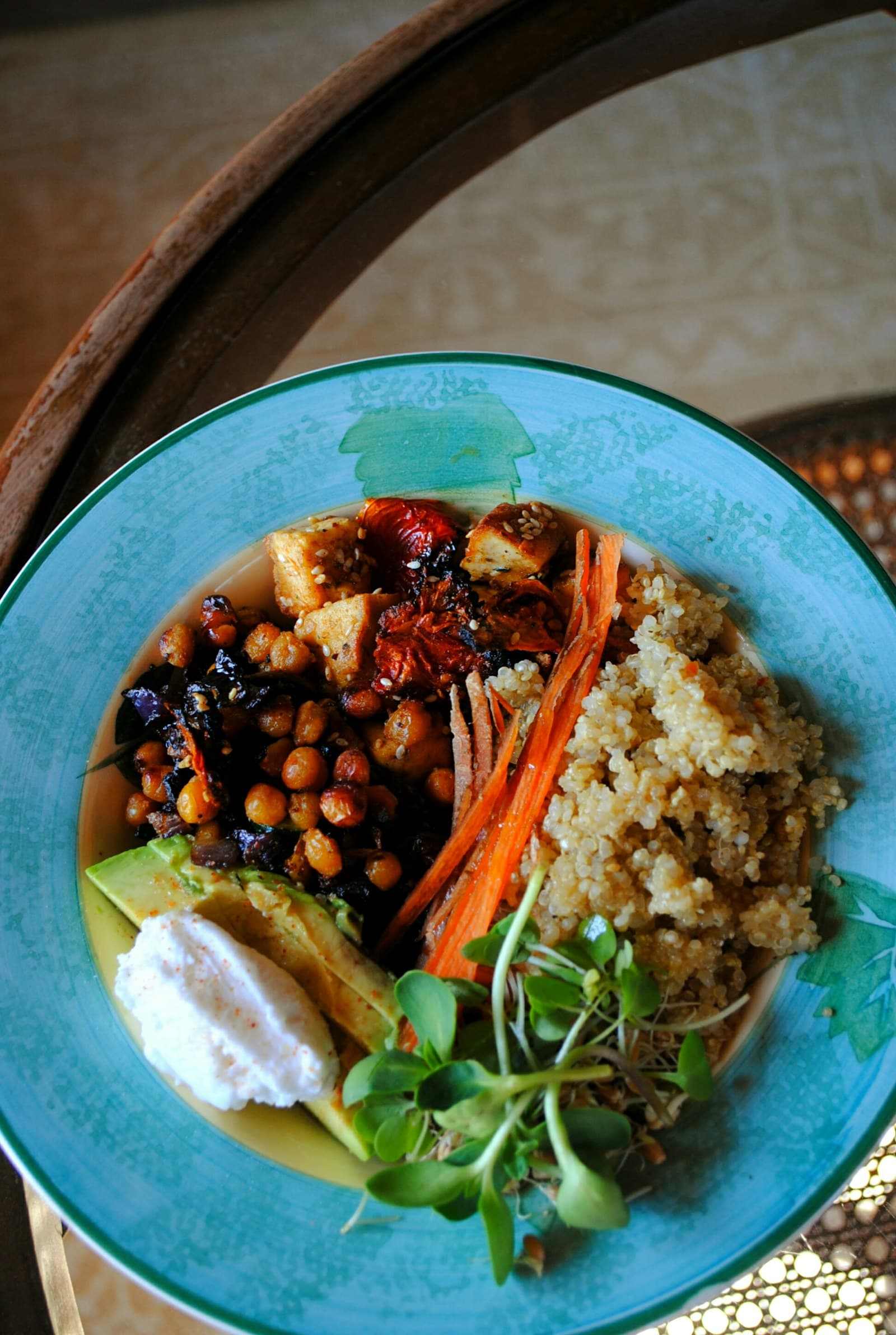
1. Start with the meal occasion
Before reviewing calories, decide what you are trying to record. A drink shown beside a plate may be part of the same meal, a separate beverage placed nearby, or simply an object in the scene. Use the time, setting, and your own memory rather than treating physical proximity as proof. If you took the photo at a restaurant, for example, the beverage may belong with the order even if only part of the glass is visible.
A simple first question is: “Did I consume this during the meal I am logging?” If yes, add it as a related item, while keeping its entry distinct from the food unless you know the drink was used as an ingredient. If the answer is unclear, mark the uncertainty in your note or keep the beverage as a separate possible item. This keeps the meal record easy to revise without assigning unverified contents.
2. Separate what is visible from what is known
A photo can show the container, approximate fill level, ice, garnish, foam, or a branded label. It usually cannot establish the complete recipe, sweetener, milk, alcohol content, serving size, or how much was actually consumed. Color and texture may offer clues, but they are not enough to select a specific beverage entry. A clear cup might contain water, a flavored drink, or a mixed beverage; a dark drink could have several different recipes.
Make a short inventory of evidence before editing the estimate: container type, readable brand or menu text, visible label, size marking, and whether the drink appears full, partly used, or empty. Then list the unknowns separately. FoodSnap’s photo-based result can be a starting point for this review, but its calorie, macro, ingredient, and portion values remain editable estimates. Avoid filling gaps with a familiar recipe simply because it looks plausible.
3. Check for a label or serving information
If the bottle, can, carton, or menu provides nutrition information, begin with the serving size and servings per container. The U.S. Food and Drug Administration explains that these details should be checked before interpreting the calories and nutrients on a Nutrition Facts label. A container may hold more than one listed serving, so the number on the label may not represent the entire amount you drank.
Next, compare the labeled serving with the portion shown or remembered. Ask whether you had the whole container, part of it, a refill, or a cup poured from a larger package. If the label is only partly visible in the image, use the readable information as a clue rather than reconstructing the rest with confidence. A menu description, receipt, or package name can also help identify the record, but it does not by itself establish how much was consumed.
4. Choose a reference without overclaiming
When no label is available, a reference database can help you choose a reasonable starting point. USDA FoodData Central provides reference nutrient records, but values vary by food entry, brand, recipe, preparation, and portion. For a beverage, those differences can matter when the drink is homemade, prepared by a café, poured from a dispenser, or mixed from several components.
Select the closest documented type only after noting what is missing. Record the source of the choice in plain language, such as “generic entry used; recipe unknown” or “label matched to the package.” If the drink could belong to several categories, use a broad description rather than naming ingredients that the photo does not establish. The goal is a transparent, revisable entry—not a more detailed story than the evidence supports.
5. Finish with an editable review
Before saving, run through four questions: Did I include the drink in the correct eating occasion? Is the container or serving amount clear? Did I use a label, a reference record, or an assumption? Which parts should remain editable? This review is useful whether you are logging a bottled beverage, a cup from a café, a drink poured at home, or a glass whose contents are not identifiable.
You can also record uncertainty at the smallest useful level. For example, the container may be clear while the recipe is unknown, or the beverage type may be known while the consumed portion is uncertain. Keep those distinctions visible in your note instead of changing an estimate into a fixed fact. If you later find the package label or remember the serving, update the beverage without needing to rebuild the meal record.
Sources
- USDA FoodData Central — U.S. Department of Agriculture
- How to Understand and Use the Nutrition Facts Label — U.S. Food and Drug Administration
FoodSnap provides editable nutrition estimates. This article is for general educational purposes and is not a substitute for individualized medical or dietary advice from a qualified professional.