
Small portions can still change the picture
Dips, spreads, and condiments are often treated as minor parts of a meal because they occupy less space than the main food. Their contribution still depends on what is in the container and how much reaches the plate. A sweet sauce may contribute mostly carbohydrate, while an oil-based dressing or creamy spread may contribute more fat. A bean- or dairy-based dip can add protein along with other nutrients.
The useful question is not whether a condiment is “good” or “bad.” It is which nutrients are relevant for this particular item and portion. A thin drizzle, a full spoonful, and a small cup for dipping are different entries even when they accompany the same meal. When reviewing a food photo, treat the dip as its own component rather than blending it into the main dish without consideration.
Recipe determines which macro matters most
The name of a condiment does not tell you its full nutrition profile. Two products called salsa, hummus, pesto, ranch dressing, or sandwich spread may use different proportions of oils, seeds, dairy ingredients, legumes, sweeteners, or starches. A homemade version may also differ from a packaged version because the recipe and preparation method are not the same.
USDA FoodData Central provides reference nutrient records, but its values can vary by food entry, brand, recipe, preparation, and portion. That makes the closest matching entry more useful than a generic assumption. If a dip contains visible ingredients such as beans, nuts, cheese, or oil, use those clues to guide the category and then review the estimate against the available recipe or label information.
Brand information can change the entry
Packaging can provide details that a food photo cannot. The brand, product name, flavor, and version—such as regular, reduced-fat, sweetened, or unsweetened—can point to a different Nutrition Facts panel. Even when two containers look similar, their ingredient lists and nutrient amounts may not match.
The FDA recommends reading a label by checking serving size and servings per container before interpreting calories and nutrients. That order matters for condiments because a container, packet, squeeze, or restaurant cup may hold more than one labeled serving. Record the product identity when you have it, and avoid treating a familiar brand name as a substitute for checking the actual package.
Portion is the bridge from label to plate
A Nutrition Facts label describes the listed serving, not automatically the amount used in a meal. To connect the two, compare the label’s serving size with the portion visible in the photo or remembered from the meal. A single packet, a level spoon, a rounded spoon, and an unmeasured pour can each represent different amounts. If the portion is uncertain, keep that uncertainty visible rather than presenting the result as a fixed value.
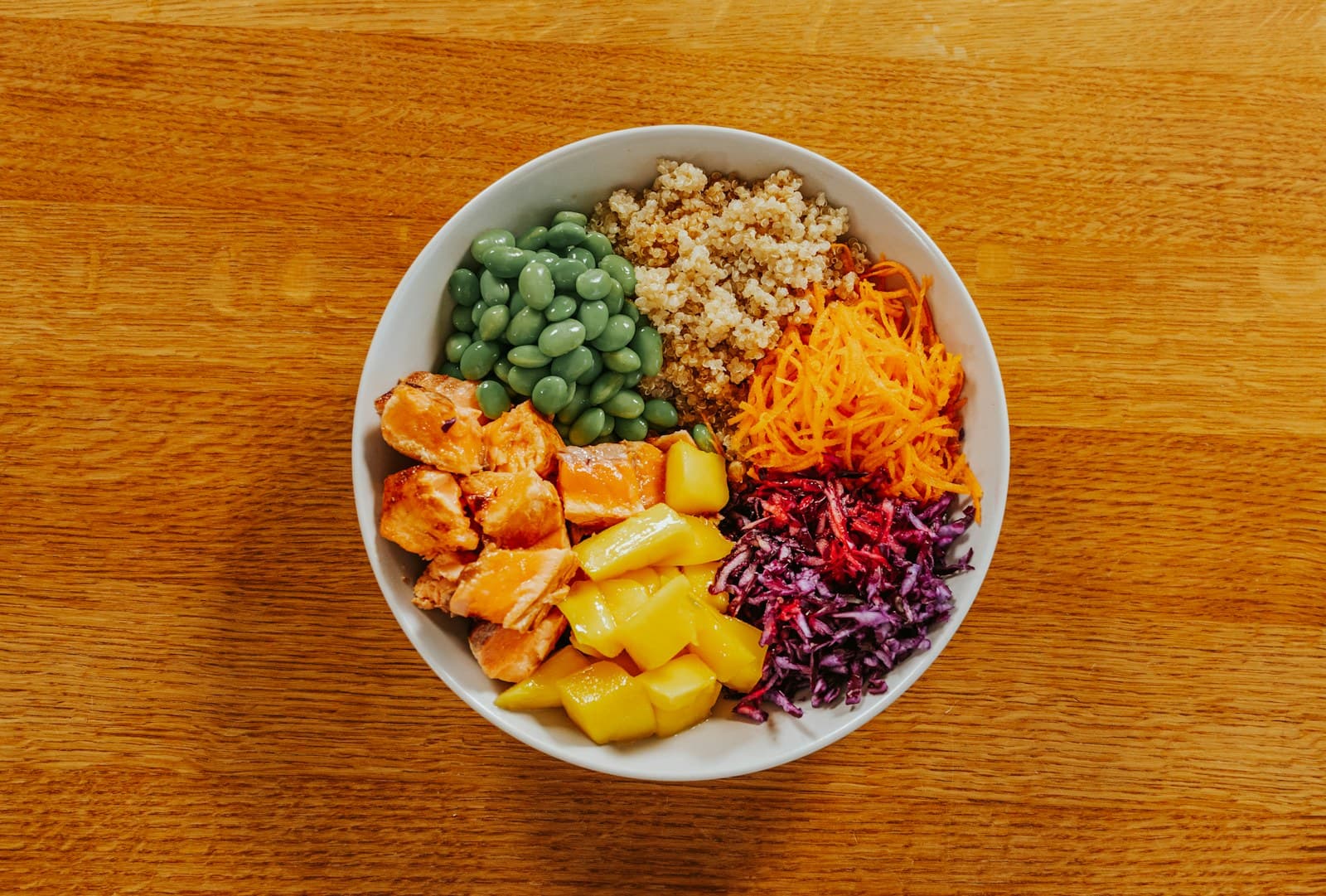
Photo-based review works best when the condiment is visible and separate from the food it covers. A ramekin, packet, open jar, or distinct streak can provide context about the item and its approximate quantity. FoodSnap can provide an editable estimate from the photo, but the estimate should be revised when you identify the brand, recipe, or amount more clearly.
A practical review for mixed meals
Start by naming the component: hot sauce, chutney, mayonnaise-based spread, nut butter, bean dip, dressing, or another specific option. Next, note whether the item appears homemade, packaged, or served by a restaurant, since that determines which reference information may be closest. Then review the likely macro emphasis—carbohydrate, fat, protein, or a combination—without assuming that the label will match every version of the same food.
Finally, compare the estimated portion with the meal context. A dip spread across a sandwich may be harder to distinguish than a separate cup, while a sauce coating several ingredients may be distributed across the whole dish. If you later learn the recipe, brand, or amount, update the entry instead of rebuilding the entire meal. This simple review keeps the focus on useful detail: what the condiment was, how much was used, and which reference best represents it.
Sources
- USDA FoodData Central — U.S. Department of Agriculture
- How to Understand and Use the Nutrition Facts Label — U.S. Food and Drug Administration
FoodSnap provides editable nutrition estimates. This article is for general educational purposes and is not a substitute for individualized medical or dietary advice from a qualified professional.