
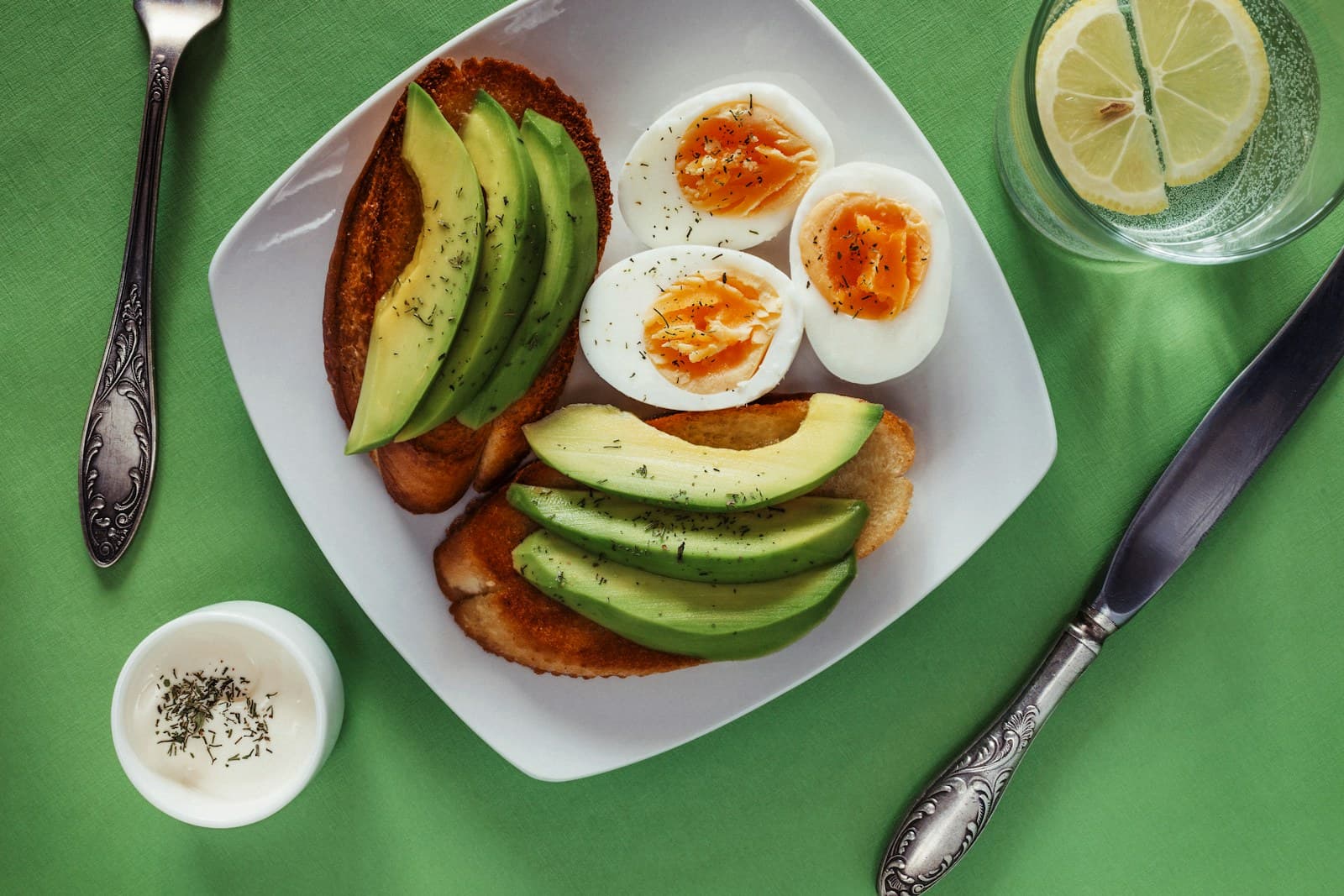
Start with the structure of the meal
A sandwich or wrap may look like one item, but its macro estimate is built from several parts. Separate the base from the filling, then identify spreads and toppings. For a sandwich, the base is usually two slices, a roll, or another bread product. For a wrap, it is the tortilla or flatbread. This first division gives you a practical way to review the estimate instead of judging the whole meal as a single block.
FoodSnap can suggest calories, macros, ingredients, and portions from a food photo, but the result remains editable. A photo may show the outside of the meal more clearly than what is inside, and a folded wrap can hide both the amount of filling and the amount of spread. Begin with what is visible, then add context for anything you know about the order, recipe, brand, or portion.
Review the bread or tortilla first
The bread or tortilla is a useful starting point because it is usually a defined component with a recognizable serving format. Look for the number of slices, the size of the roll, or whether the tortilla is small, medium, or large. If the item came from a package, compare the estimated portion with the package’s serving information rather than assuming that one visible piece always equals one serving.
When using a Nutrition Facts label, check serving size and servings per container before interpreting the calories and nutrients. A label may describe one slice, part of a roll, or one tortilla while the meal contains more than that amount. If the product is known, update the entry with its label information. If it is not known, choose a comparable reference record and keep the estimate editable rather than presenting the number as a measurement.
Separate the main fillings
Next, list the main fillings separately. Examples might include sliced meat, cheese, eggs, tofu, beans, vegetables, or a combination of these. The visible thickness and coverage can help you review the portion, but they do not identify the exact recipe or brand. For a photo-based estimate, ask whether the filling is a thin layer, a generous stack, or a mixture that takes up most of the interior.
The filling can also be more than one ingredient even when it looks like one layer. A prepared salad, seasoned protein, or mixed vegetable filling may include components that are difficult to distinguish in the image. Edit the ingredient list when you know what was used, and adjust the portion when the photo estimate does not match what you ate. Keeping each major filling separate makes later corrections easier and shows which part of the meal needs the most review.
Account for spreads and toppings
Spreads deserve their own line in the review because they may be thin, uneven, or mostly hidden inside the bread. Note whether you can see mayonnaise-style spread, hummus, avocado, cream cheese, pesto, mustard, or another sauce. If the spread was added at home or ordered separately, the amount you remember may be more useful than the visual thickness in the photo. When you are unsure, record the uncertainty and choose a reasonable editable portion rather than silently treating it as absent.
Toppings can be small but still matter to the estimate, especially when several are added together. Review cheese, pickles, olives, seeds, crispy ingredients, onions, herbs, and sauces as distinct additions when they are visible or known. The goal is not to assign importance based on whether an ingredient looks large. It is to avoid folding every extra into a generic “sandwich” entry, where you may lose the details needed for a useful correction.
Use reference records, then refine the result
USDA FoodData Central provides reference nutrient records, but values can vary by the food entry, brand, recipe, preparation, and portion. That makes the closest record a starting point, not a final answer for every sandwich or wrap. Compare the selected entry with the actual product or recipe when that information is available. Pay particular attention to packaged bread, tortillas, deli fillings, prepared spreads, and restaurant-style components, since similar names can represent different foods.
A practical review can follow this order: confirm the base, identify each main filling, add spreads, then add toppings and adjust portions. Finally, scan the full ingredient list for anything hidden or omitted. If you have a package label or recipe, use it to refine the corresponding component. If you only have the photo, keep the FoodSnap result as an editable estimate and note the assumptions that shaped it. This component-by-component method makes future entries easier to update without requiring a perfect reconstruction of the meal.
Sources
- USDA FoodData Central — U.S. Department of Agriculture
- How to Understand and Use the Nutrition Facts Label — U.S. Food and Drug Administration
FoodSnap provides editable nutrition estimates. This article is for general educational purposes and is not a substitute for individualized medical or dietary advice from a qualified professional.