
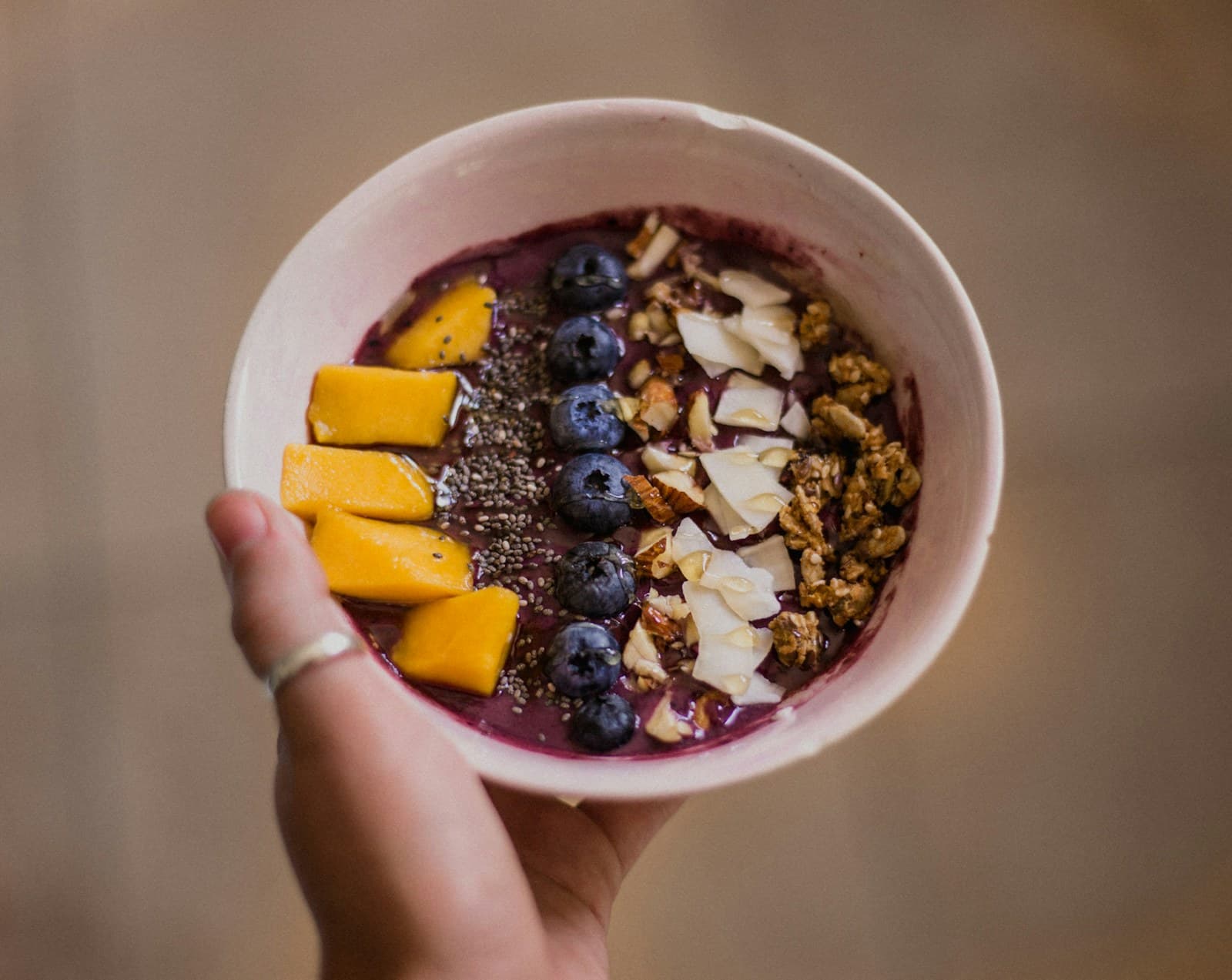
Why a familiar recipe can become a new entry
A recipe name can stay the same while the food in the bowl or on the plate changes. You may use a different oil, leave out a topping, add an ingredient, prepare the same ingredient in another way, or serve a smaller or larger portion. Each change can affect how an entry should be interpreted, even when the meal still feels familiar.
A useful note does not need to capture every cooking detail. Its job is to preserve the few differences that could change the ingredient list, nutrient estimate, or portion context. This is especially helpful when a photo looks similar to earlier entries but the recipe was made differently that day.
Use a three-part change note
Try this compact format: **Added or swapped:** what changed in the ingredients. **Prepared differently:** what changed in cooking or assembly. **Portion:** what changed in the amount served. You can fill in only the lines that apply. For example: “Added shredded cheese; used roasted vegetables instead of sautéed; served about half the usual portion.”
Keep the wording concrete and neutral. “Used more dressing” is more useful than “made it richer,” because it identifies a change that can be reviewed later. If you know an approximate amount, include it, such as “one spoonful,” “two slices,” or “about one cup.” If you do not know the amount, record the direction of the change without creating false precision.
Ingredient changes: name the swap or addition
Ingredient changes are often the easiest to overlook when a recipe keeps its usual appearance. Note additions, omissions, and substitutions that could affect the entry: a different cheese, a new sauce, an extra grain, a removed topping, or a packaged ingredient from another brand. You do not need to list ingredients that stayed the same unless the recipe is hard to recognize without them.
For packaged foods, save the product name or a quick label note when it is available. USDA FoodData Central provides reference nutrient records, but values can differ by food entry, brand, recipe, preparation, and portion. That is why “used canned beans, drained” or “used a different tortilla brand” can be more useful than relying on the familiar recipe name alone.
Preparation changes: describe the method
The way food is prepared can change what belongs in an entry. Note changes such as baked instead of fried, drained instead of served with the cooking liquid, raw vegetables added after cooking, or a sauce mixed in rather than served on the side. These details give a reviewer a better explanation for why the same named dish may need a different estimate.
Focus on the action that changed, not on a judgment about the method. “Roasted with one teaspoon of oil” gives clearer context than “lighter preparation.” If the amount of oil, butter, sauce, or another added ingredient is uncertain, say so. A transparent note can be edited later when better information becomes available.
Portion changes: connect the note to the photo
A photo can show what was served, but it may not reveal whether the portion is smaller or larger than the recipe’s usual serving. Add a simple comparison when possible: “half the usual bowl,” “one extra scoop,” “shared the pan,” or “served one slice instead of two.” If the recipe was divided into a different number of portions, record that as well.
When a packaged food or recipe label is involved, read the serving size and the number of servings per container before interpreting its calories or nutrients. The FDA specifically recommends checking those details first. For a FoodSnap entry, use the photo-based estimate as a starting point, then review the portion and edit the entry when your note supplies better context. A short change note cannot remove every uncertainty, but it can make the uncertainty visible and keep similar meals from being treated as interchangeable.
Sources
- USDA FoodData Central — U.S. Department of Agriculture
- How to Understand and Use the Nutrition Facts Label — U.S. Food and Drug Administration
FoodSnap provides editable nutrition estimates. This article is for general educational purposes and is not a substitute for individualized medical or dietary advice from a qualified professional.