
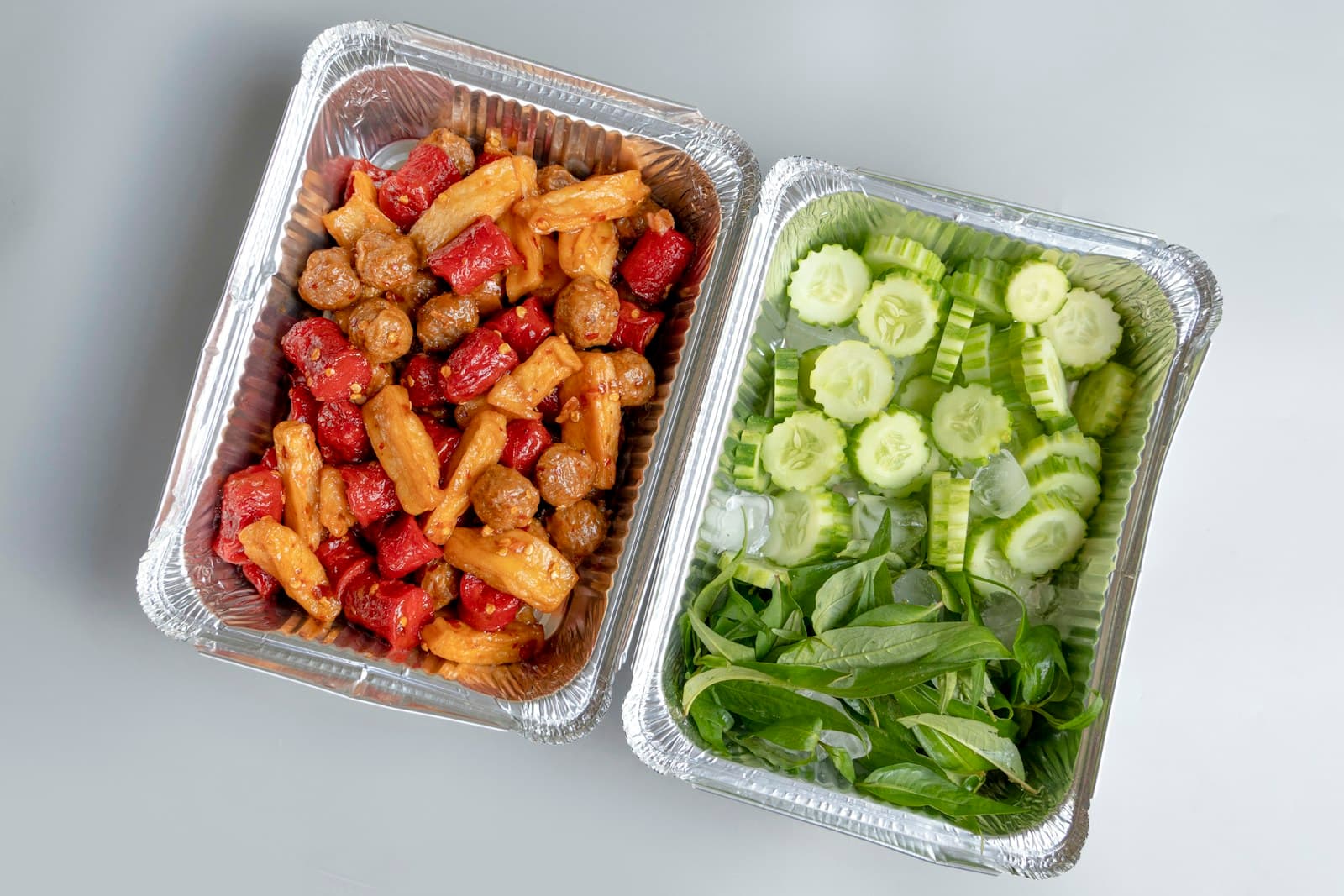
Start with the food, then choose the format
Meal planning becomes more flexible when the central question is what role a food plays, not whether it came from the produce aisle, freezer, or pantry. A vegetable, fruit, grain, or protein food may be available in more than one format. Fresh ingredients can work when you want a particular texture or have them on hand. Frozen or canned options can be useful when those are the practical choices for the meal in front of you.
The U.S. Department of Agriculture’s MyPlate Plan illustrates planning across food groups, but it is not a personalized target for this article. Use that broad framework to ask whether a meal includes a varied mix of foods. The World Health Organization also describes variety and balance as parts of a healthy diet. In practice, that means a plan can leave room for different formats and preferences instead of treating one format as the only acceptable option.
Build a simple swap map
A swap map turns a recipe or meal idea into a short list of alternatives. For a grain bowl, you might list fresh or frozen vegetables, a canned bean option, and a grain prepared from dry, refrigerated, or shelf-stable ingredients. For a side, you could compare a fresh fruit with a frozen fruit portion or a canned fruit product after checking its label and serving description. The goal is not to make every option identical; it is to make the next choice obvious when availability changes.
Keep the meal role consistent while checking what changes with the format. A plain frozen vegetable may need a different cooking step from a fresh one. A canned item may be packed with liquid, seasoned, or combined with another ingredient. A prepared option may include more than the single food you had in mind. Write the swap in plain language, such as “frozen broccoli, cooked” or “canned tomatoes, drained,” so the plan and the eventual food log describe the actual choice.
Compare labels and preparation details
The package format does not tell you everything needed for a useful comparison. Look at the ingredient list, serving information, and preparation instructions. Also note whether the item includes a sauce, syrup, oil, seasoning blend, or other ingredients. These details can change what belongs in the meal description and can make two products that share a food name less interchangeable than they first appear.
Canned foods may be listed with liquid, while the amount you eat may be drained. Frozen foods may be plain or prepared with a sauce. Fresh foods can be eaten raw, roasted, sautéed, or combined with other ingredients. Record the state that reaches the plate and the portion you used. If a package label is available, use it as context rather than assuming that a visual comparison alone can resolve every difference.
Plan portions without chasing identical numbers
Interchangeable planning does not require every version of a food to produce the same calorie or macro estimate. A fresh peach, a frozen peach portion, and a canned peach product may differ in preparation, liquid, or serving size. What matters for a practical plan is knowing which version you selected and how much reached the plate. You can keep the meal structure familiar while allowing the details to vary.
For FoodSnap, a photo can provide a starting point for calorie, macro, ingredient, and portion estimates. Those estimates are editable, so review the entry when the image cannot show the format clearly. Add context such as “canned,” “frozen,” “with sauce,” or “drained,” and adjust the portion if you know the package amount or serving used. This makes the record more useful without presenting a photo-based estimate as a measurement.
Create a plan that can absorb availability changes
A flexible weekly plan can name a food category and list two or three acceptable formats beside it. For example, a dinner plan might call for a vegetable, a grain, and a protein food, followed by fresh, frozen, or canned options that fit your preferences and shopping situation. Keep the preparation method open when possible. That way, a missing fresh ingredient does not force you to abandon the whole meal.
Before shopping, check what is already available and decide which substitutions need a label review. Before cooking, confirm whether the selected item is plain, seasoned, packed in liquid, or part of a prepared combination. After eating, log the version you actually used rather than the version that appeared in the original plan. This sequence supports variety and balance while respecting convenience, budget, taste, and access.
For general planning context, see the USDA’s MyPlate Plan at myplate.gov/myplate-plan and the WHO fact sheet on healthy diet at who.int/news-room/fact-sheets/detail/healthy-diet. Both sources support using broad, varied planning principles; neither replaces your own review of the foods, products, and portions in a particular meal.
Sources
- MyPlate Plan — USDA MyPlate
- Healthy diet — World Health Organization
FoodSnap provides editable nutrition estimates. This article is for general educational purposes and is not a substitute for individualized medical or dietary advice from a qualified professional.