
Start with a framework, not a fixed menu
A useful breakfast plan does not need to assign the same meal to every morning. Instead, think in components that can be combined in different ways. The USDA MyPlate Plan illustrates planning through food groups, while the World Health Organization emphasizes variety and balance as broad principles of a healthy diet. Together, those ideas support a flexible structure rather than a single approved breakfast.
For this framework, choose a few foods from several familiar groups and rearrange them across the week. One morning might be a bowl, another might be toast with toppings, and another might be a portable combination. The point is not to complete a checklist perfectly. It is to make decisions easier while leaving room for appetite, schedule, preferences, budget, and what is already in the kitchen.
Build a small component library
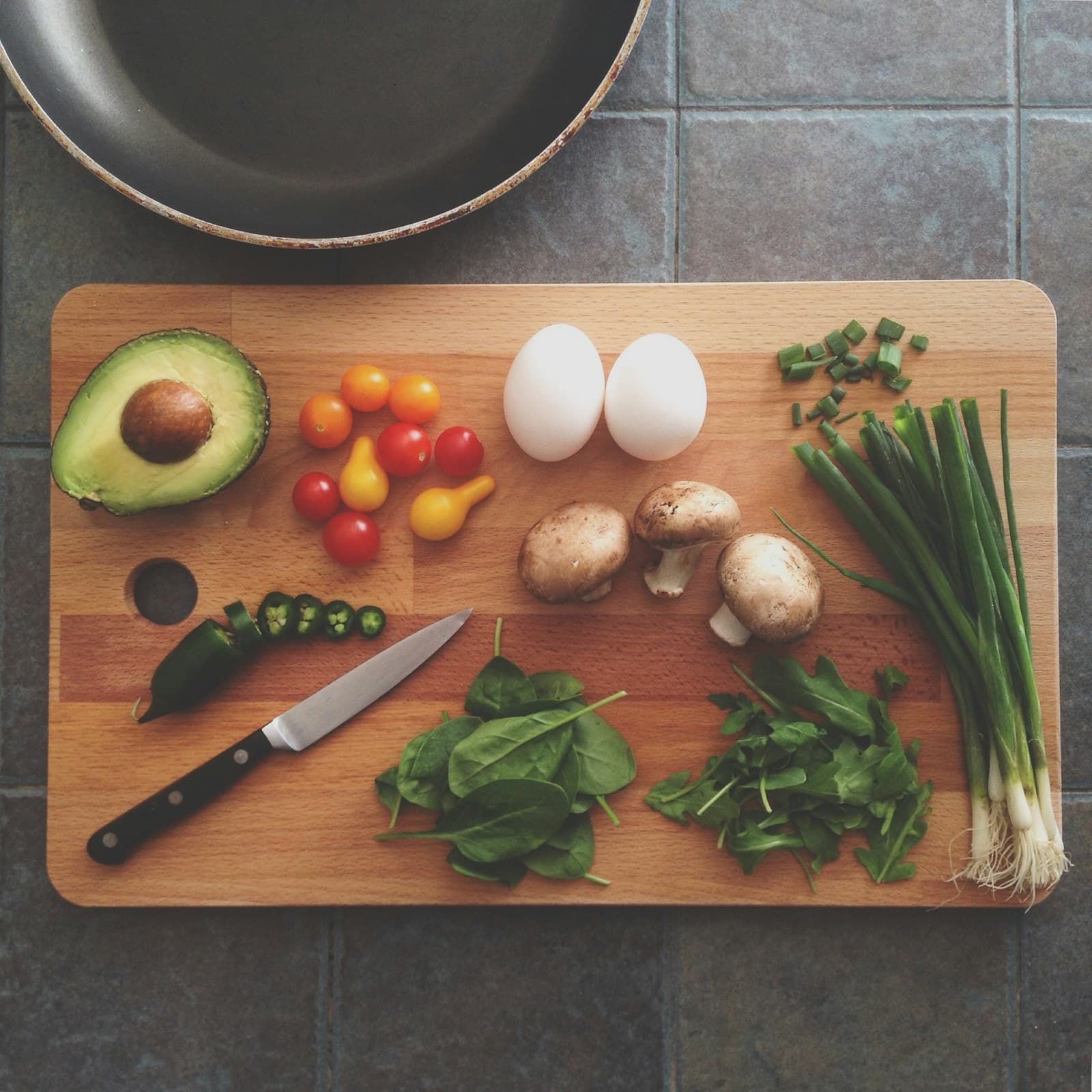
Begin with a grain or other breakfast base, such as oats, whole-grain toast, a tortilla, or a grain-based leftover. Add fruit or vegetables according to what fits the meal: berries or a banana can work in a bowl, while tomatoes, greens, or leftover roasted vegetables can fit a savory option. These are examples of ingredients to mix and match, not individualized targets.
Next, keep several protein-food choices and dairy or fortified alternatives available if they suit your preferences. Eggs, beans, tofu, yogurt, nuts, seeds, cheese, and fortified soy products can play different roles in bowls, toast combinations, wraps, or plates. Some foods overlap categories, and that is fine. A component system is meant to describe useful options, not force every ingredient into one exclusive box.
Make the parts easy to rearrange
Flexibility works best when preparation supports more than one meal. Cook a batch of grains, wash fruit, portion nuts or seeds, or prepare vegetables that can move between sweet and savory breakfasts. Keep sauces, spices, and toppings separate when possible so the same base can take on a different flavor. A few ready-to-use parts can reduce the need to invent a full meal on a busy morning.
Choose substitutions by role rather than by exact recipe. Oats can become a warm bowl or an overnight mixture; toast can support egg and tomato or nut butter and fruit; a tortilla can hold beans and vegetables or scrambled egg and cheese. If one item runs out, replace it with another familiar item from a similar role. This keeps the plan practical without implying that the alternatives are nutritionally identical.
Rearrange the same basics across mornings
Imagine a short rotation built from one grain base, two fruit choices, two vegetable choices, two protein foods, and a dairy or fortified alternative. On one morning, combine oats, yogurt, fruit, and seeds. On another, use toast with egg and tomatoes, plus fruit on the side. A third option might fold beans, vegetables, and cheese into a tortilla. The same shopping list can support different textures and flavors.
The rotation can also respond to the morning. A bowl may work when there is time to sit down, while toast or a wrap may be easier to carry. A sweeter combination may sound appealing one day and a savory one the next. Varying ingredients within the food groups can make the plan feel less repetitive and aligns with the WHO’s general emphasis on dietary variety, without requiring a prescribed pattern.
Review the plan with useful context
After trying the framework, review what actually made breakfasts workable. Note which components were convenient, which combinations kept you interested, and which ingredients were often left unused. You can then adjust the next shopping list: more of a reliable base, fewer perishables, or different toppings for contrast. This is a planning review, not a score for the quality of a single meal.
If you log breakfast with FoodSnap, remember that a photo-based calorie, macro, ingredient, or portion result is an estimate based on visible information and context. Edit the foods, amounts, or preparation details when you know more than the image shows. Use the entry to compare your planned components with what you actually ate, while keeping the focus on patterns and practical choices rather than treating an estimate as a measurement or guarantee.
Sources
- MyPlate Plan — USDA MyPlate
- Healthy diet — World Health Organization
FoodSnap provides editable nutrition estimates. This article is for general educational purposes and is not a substitute for individualized medical or dietary advice from a qualified professional.