
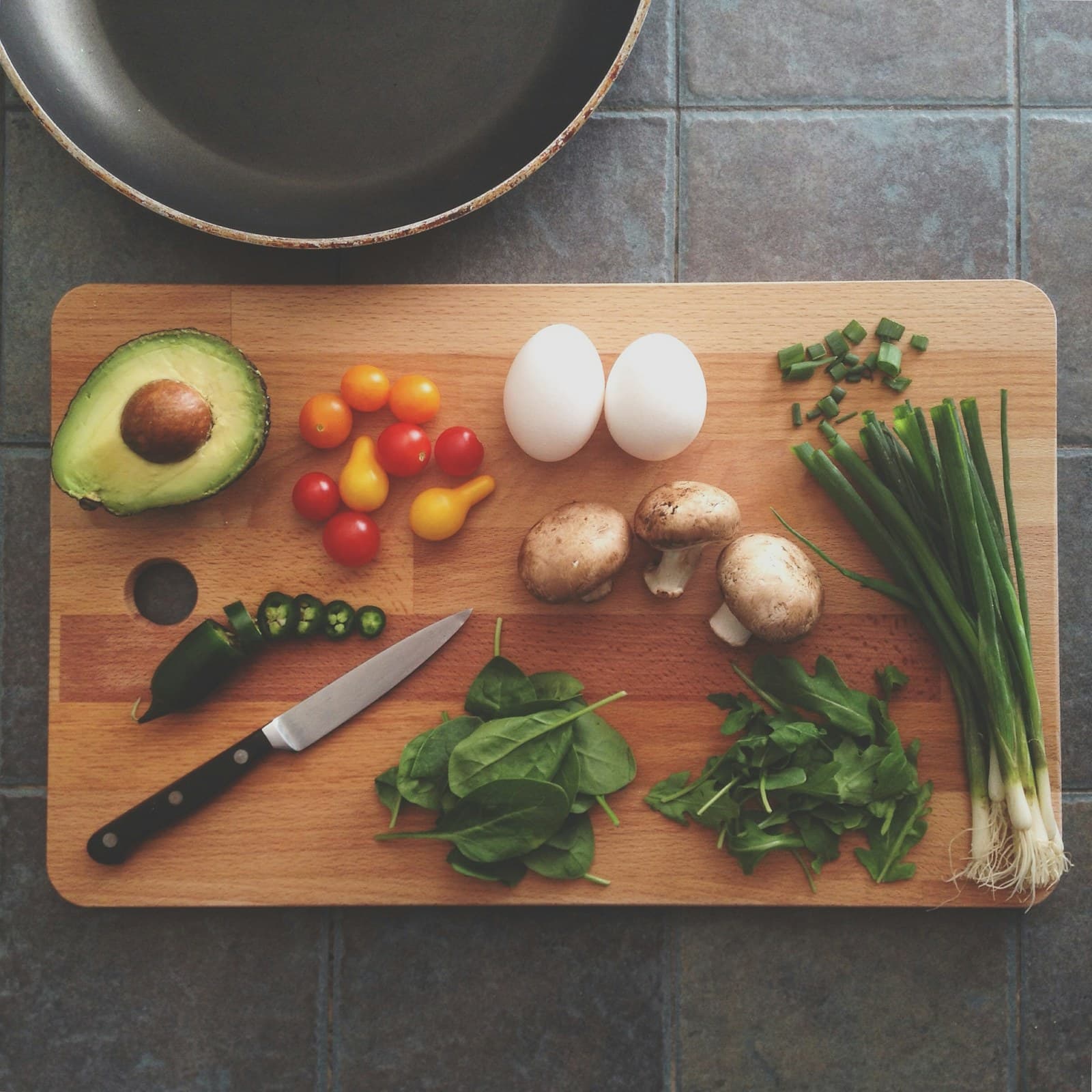
Start with a three-dinner blueprint
Planning three dinners works best when the goal is not three perfect recipes. Begin with a small set of ingredients that can appear in different combinations: one or two main components, a grain or other substantial base, several vegetables or fruits, and flavor builders such as herbs, spices, citrus, or a sauce. The exact choices can follow your preferences, budget, cooking time, and what is already available.
A useful blueprint gives each night a different job. One dinner might emphasize a warm bowl, another could use a skillet or filling for wraps, and the third might become a soup, tray bake, or composed plate. The ingredients overlap, but the format changes enough that the meals do not feel like repeats. This approach also leaves room to replace an ingredient with a similar option when a store is out of stock or a preference changes.
Build a flexible ingredient list
Choose a sturdy base that can be served in more than one way, such as rice, potatoes, pasta, tortillas, or another familiar staple. Add a versatile protein or plant-based option, such as eggs, tofu, beans, lentils, fish, poultry, or another preferred food. Then choose two or three vegetables with different textures and at least one bright finishing ingredient, such as lemon, lime, salsa, yogurt, or fresh herbs.
Think in roles rather than rigid recipe quantities. A roasted vegetable can fill a wrap, top a bowl, or go into a broth-based dish. Cooked beans can be seasoned for a skillet, folded into a salad-like plate, or blended into a thicker soup. Keeping some ingredients unseasoned or lightly seasoned during prep makes them easier to redirect later, while sauces and toppings create distinct flavors without requiring a separate shopping list.
Give each night a different format
For the first dinner, assemble a bowl or plate from the shared base, main component, and vegetables. Keep the flavor profile simple and finish it with a sauce, herbs, or something crisp. On the second night, turn the same ingredients into a skillet filling, tacos, wraps, or stuffed vegetables. Changing the temperature, texture, and shape can make familiar foods feel new without adding much work.
For the third dinner, use what remains in a format that welcomes small amounts of several ingredients, such as a soup, frittata, grain bake, or tray meal. Add fresh elements at the end so the dish has contrast. If the remaining ingredients do not suit one format, use the blueprint as a menu of options rather than forcing them together. Flexibility includes deciding that one component should be served separately or saved for another meal.
Use variety as a planning lens
The USDA MyPlate Plan presents food-group planning as a way to think about meals, but it is not a set of individualized targets for this framework. You can use that lens to check whether your three-dinner plan includes a mix of food groups over time, while allowing the actual combinations to reflect your household, culture, access, and preferences.
The World Health Organization describes a healthy diet in terms that include variety and balance. For a three-dinner plan, that can mean varying the vegetables, changing the main ingredients when practical, and using different textures and cooking methods. It does not require every dinner to look the same or every meal to contain a prescribed combination. A flexible plan is more useful when it supports variety across the small stretch of days you are actually planning.
Review, adjust, and keep the plan usable
Before cooking, mark which components need the longest preparation and which can stay ready to add at the end. You might roast vegetables, cook a base, wash greens, and mix one sauce in advance, then leave the final seasoning open. Store components in forms that are easy to see and reuse, and label the intended night only as a suggestion rather than a commitment.
If you photograph a finished dinner with FoodSnap, remember that the app provides editable estimates for calories, macros, ingredients, and portions from the image. Those estimates are not direct measurements, so add or edit details when you know the ingredients, preparation method, or serving size. The point is to create a more useful record of what you assembled, not to make a flexible plan behave like a fixed formula.
Sources
- MyPlate Plan — USDA MyPlate
- Healthy diet — World Health Organization
FoodSnap provides editable nutrition estimates. This article is for general educational purposes and is not a substitute for individualized medical or dietary advice from a qualified professional.