
Start with a flexible core
Shared-ingredient planning works best when the base is useful in more than one format. You might begin with a cooked grain, beans or another protein-rich food, several vegetables, and a few ingredients that add texture. The goal is not to decide every meal in advance. It is to create a set of building blocks that can take different directions.
Keep the core relatively neutral when that suits your household. A simply seasoned batch can become a bowl with a bright sauce, a filling for a wrap, a topping for greens, or part of a warm plate with a separate side. If one component is already strongly flavored, pair it with ingredients that can support more than one style instead of adding several competing seasonings at once.
Let sauces and herbs change the mood
Sauces are an efficient way to make the same ingredients feel different. A tangy yogurt-based sauce, a blended herb sauce, a tomato-based option, or a citrus-and-oil dressing can each give a shared base a new direction. Serve sauces separately when possible so each person can choose how much to add and so the original ingredients remain visible when you review the meal later.
Herbs and finishing touches can also change the character of a dish without requiring a second grocery list. Fresh cilantro, parsley, basil, mint, scallions, toasted seeds, citrus zest, or a spoonful of pickled vegetables may shift the aroma, texture, and contrast. These are not rules for making a meal better; they are options for creating variety from the same starting point.
Switch the format, not just the seasoning
A repeated ingredient can feel new when its format changes. Combine the base in a bowl one day, tuck it into a wrap another day, spoon it over toast or a cooked vegetable, or serve it as separate components on a plate. A soup or skillet can use many of the same foods while changing the eating experience through temperature, texture, and the amount of broth or sauce.
Format changes are also useful when people sharing a kitchen prefer different meals. One person can use the core in a bowl with herbs, while another turns it into a wrap with a different sauce. Keep the shared components identifiable, then note the additions that make each version distinct. This makes planning more flexible without pretending the meals are identical.
Use side dishes to create contrast
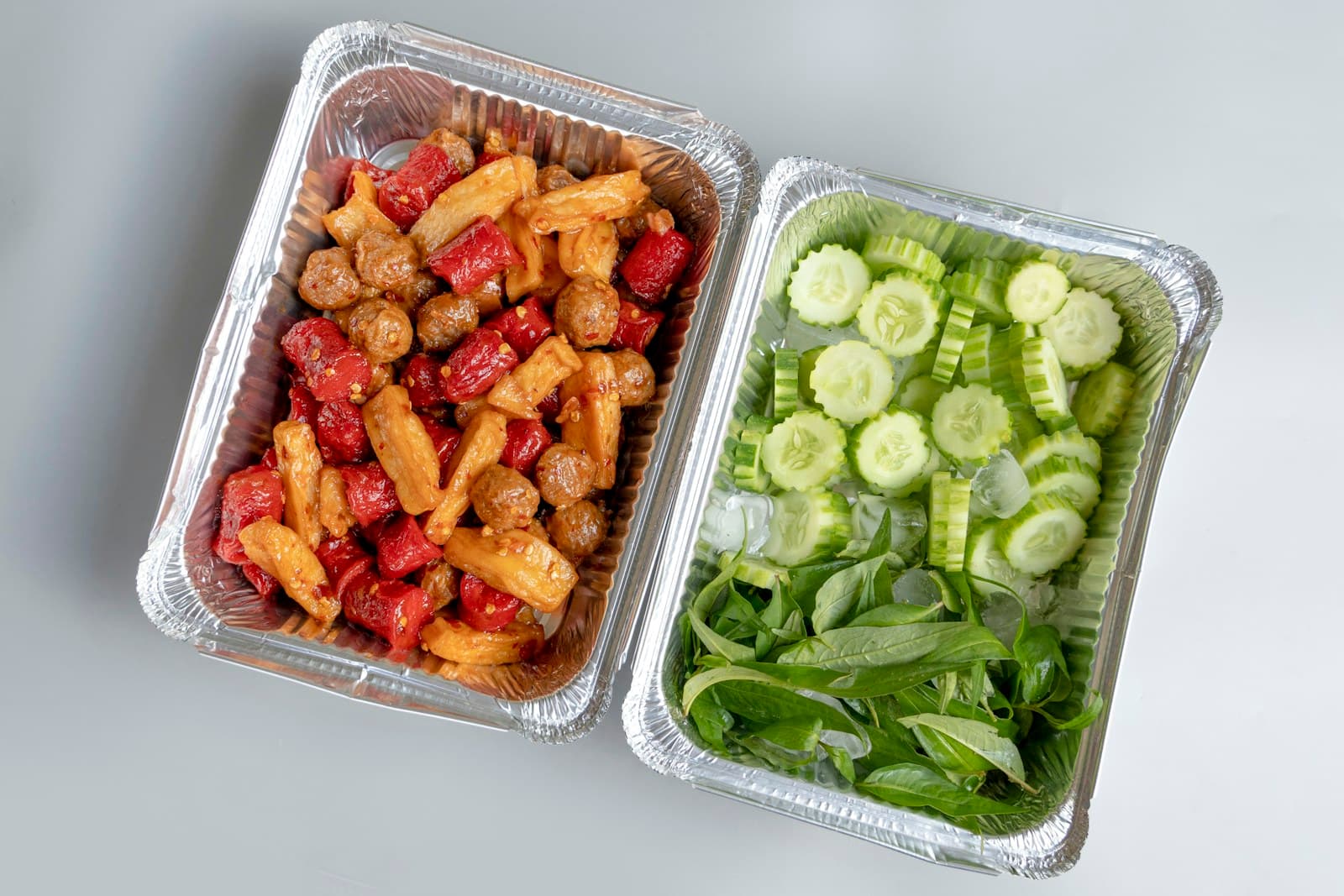
Side dishes can give a shared main ingredient a different context. Pair a warm base with a crisp salad, a soft vegetable with toasted bread, or a saucy filling with a simple fruit or vegetable side. You can also vary temperature and texture: crunchy beside creamy, fresh beside roasted, or brothy beside baked. The side does not need to be elaborate to make the plate feel different.
For a general planning framework, the USDA MyPlate Plan illustrates how foods can be considered through food groups. It is a planning lens rather than an individualized target for this article. The World Health Organization’s healthy-diet guidance also emphasizes variety and balance. Together, these sources support thinking beyond one repeated ingredient while leaving room for different cuisines, preferences, and available foods.
Review each version in FoodSnap
A photo-based log can help you compare the versions after you assemble them. Photograph the actual bowl, wrap, plate, or soup as served, then check whether FoodSnap has identified the main ingredients, sauce, herbs, and sides. Because an image cannot establish every recipe detail or exact portion, treat the result as an editable estimate rather than a measurement.
Edit the parts that changed from the shared base: a larger scoop of sauce, a different wrap, extra toppings, or a side dish served separately. Saving clear names such as “grain bowl with herb sauce” and “bean wrap with tomato sauce” can make later review easier. The value of the method is not making every meal match; it is seeing how a small set of ingredients can support several distinct, understandable choices.
Sources
- MyPlate Plan — USDA MyPlate
- Healthy diet — World Health Organization
FoodSnap provides editable nutrition estimates. This article is for general educational purposes and is not a substitute for individualized medical or dietary advice from a qualified professional.