
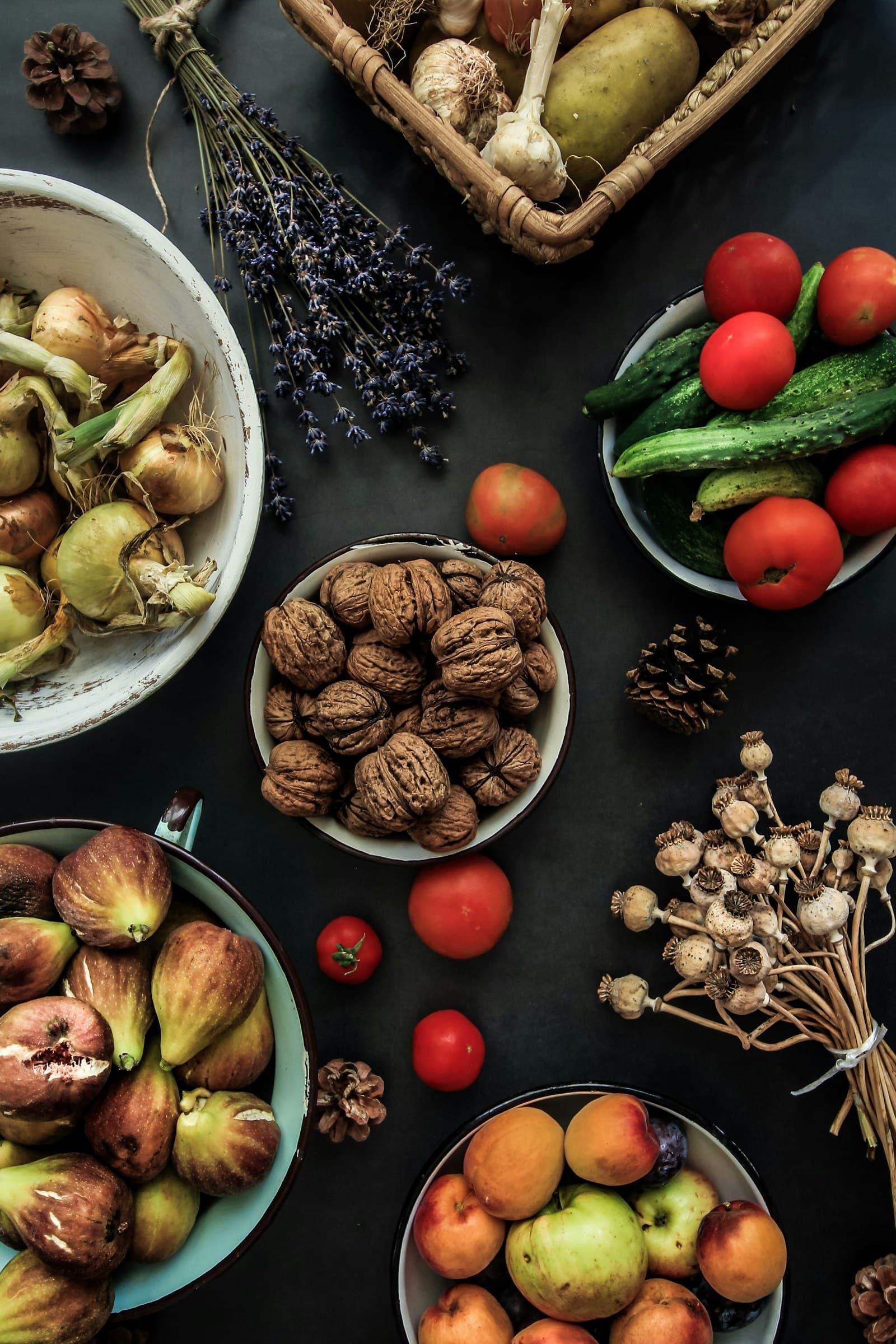
Begin with a plate inventory
Before choosing individual food entries, scan the whole combination plate and make a short inventory. Look for the main protein or entrée, starches, vegetables, bread, toppings, garnishes, and any item that may be a sauce or dip. The goal is not to name the dish elegantly; it is to identify the visible parts that could deserve separate review.
Start with components that have clear boundaries. A scoop of rice, a piece of grilled food, or a distinct pile of vegetables is easier to review separately than a casserole-like mixture. If two foods touch but still look recognizable, keep them as separate candidates rather than folding them into one broad name too early.
Separate recognizable foods from mixed items
Create one editable entry for each clearly recognizable component. Use a specific but appropriately cautious description, such as “rice,” “black beans,” or “grilled chicken,” when the image supports that level of detail. Keep the portion context attached to the item: a small scoop, one piece, or a partial serving can be more useful than an unsupported gram value.
Mixed foods need a different approach. A burrito filling, dressed salad, stew, or layered entrée may contain several ingredients that cannot be distinguished reliably from the photo. Record the mixed item as one uncertain component when that is the most honest option, and add a note about what is visible. Do not split it into precise ingredients simply to make the list look complete.
Review portions without overreading the image
For each candidate, compare its apparent amount with the available portion choices in FoodSnap and choose the closest editable estimate. Keep the distinction between what is visible and what is inferred: a large-looking mound does not reveal an exact weight, and a thin coating may be difficult to identify. If the serving is partly hidden, mark the portion as uncertain instead of filling the gap with a confident number.
A combination plate can also contain preparation details that the image does not settle, such as whether vegetables were cooked with oil or whether a protein includes a coating. Note those open questions at the component level. This keeps later review focused: you can revisit the oil, breading, filling, or serving size without rebuilding the entire plate.
Use references for the right kind of check
USDA FoodData Central provides reference nutrient records, but the appropriate record can vary with the food entry, brand, recipe, preparation, and portion. Use it to compare plausible matches for a component, not as proof that the photo has a single fixed nutrient value. A restaurant-style item and a plain home-prepared version may need different reference choices.
For packaged or labeled components, follow the FDA’s basic reading order: check serving size and servings per container before interpreting calories and nutrients. That sequence matters when a plate includes only part of a package or when the photographed amount does not match the label’s stated serving. Keep the label-based item separate from other foods so its serving context remains visible.
Finish with an uncertainty pass
Before saving, review the list from top to bottom. Confirm that each visible component appears once, that a garnish or topping has not been mistaken for a full side, and that mixed foods have not been given invented ingredient breakdowns. If a component cannot be identified, leave it marked for review with the narrowest useful description rather than silently assigning a familiar food.
Finally, check the editable calories, macros, ingredients, and portions as estimates tied to your selected entries. FoodSnap is useful here because the photo-based result can be edited; the value of the review is the clarity of the record, not false precision. Add a brief note such as “sauce unclear” or “mixed filling” so the unresolved detail remains easy to find later.
Sources
- USDA FoodData Central — U.S. Department of Agriculture
- How to Understand and Use the Nutrition Facts Label — U.S. Food and Drug Administration
FoodSnap provides editable nutrition estimates. This article is for general educational purposes and is not a substitute for individualized medical or dietary advice from a qualified professional.