
A photo is a useful starting point, not the whole record
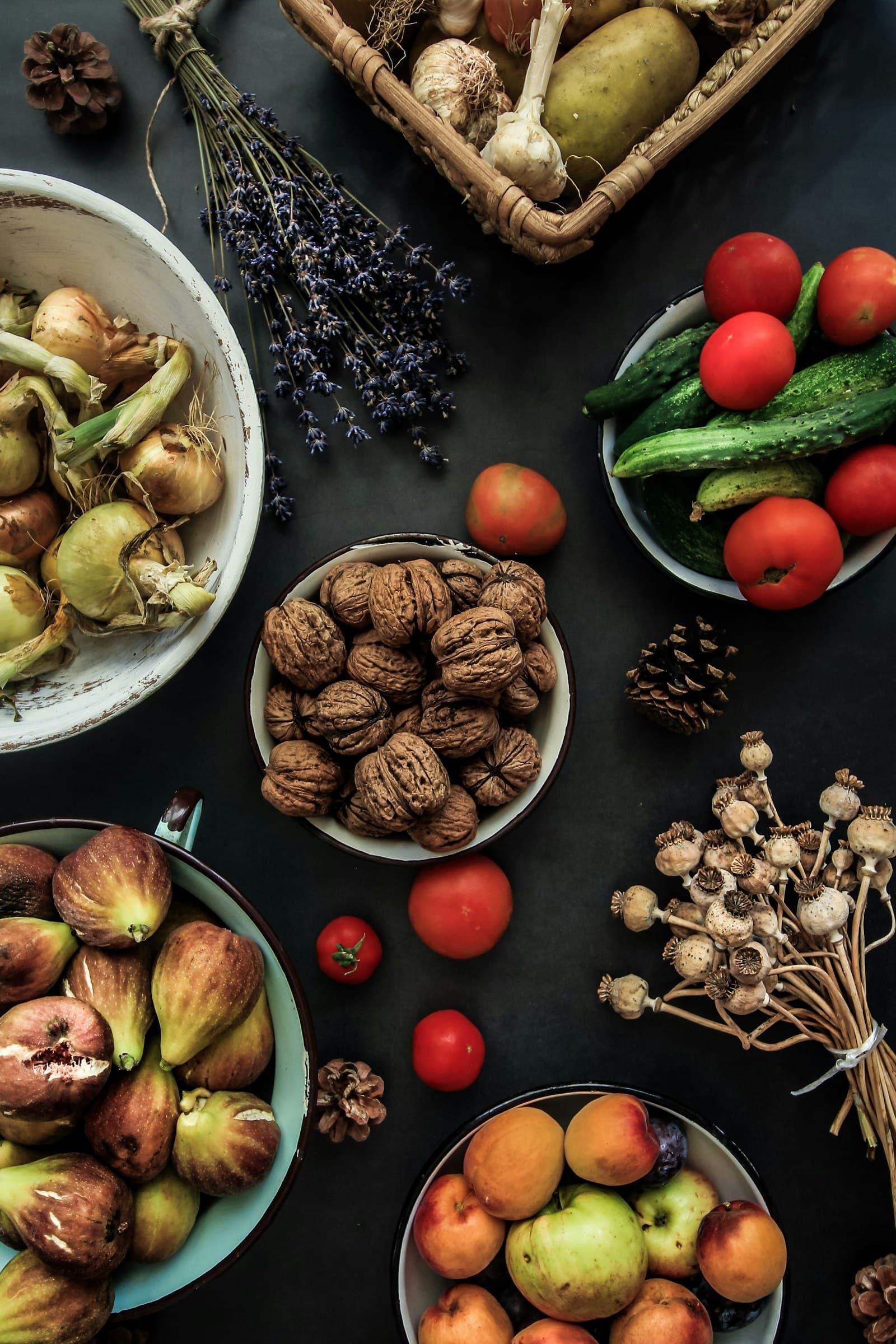
A food photo can show the dish, its visible components, and an approximate portion. It may not show the product identity, the ingredients beneath a topping, or how a recipe was prepared. That is where a short note can add useful context without replacing the image.
FoodSnap provides editable estimates for calories, macros, ingredients, and portions from photos. Reviewing an estimate means comparing the result with what you remember eating, then adding or correcting details that the image could not establish. A clear context note helps make that review more focused.
Add the brand when the package matters
Brand information is especially useful for packaged foods that look similar across products. A frozen entrée, yogurt, cereal, sauce, or snack can have a different Nutrition Facts label from another item with a nearly identical appearance. If you know the brand and product name, add them to the entry rather than relying on the visual category alone.
The USDA FoodData Central database provides reference nutrient records, and its values vary by food entry, brand, recipe, preparation, and portion. That makes the specific product context relevant when you have it. If the exact item is unknown, keep the estimate editable and record the uncertainty instead of presenting a general food record as the package’s label.
Use the label in the right order
For a packaged food, the label gives you a more specific reference than appearance alone. The FDA advises starting by checking serving size and servings per container before interpreting calories and nutrients. Those details establish what the listed values refer to and help you compare the amount shown in the photo with the label’s reference amount.
A practical review can therefore follow three steps: identify the product, check the serving information, and compare the portion you ate with that reference. If the photo shows part of a package, a bowl filled from the package, or more than one serving, write that situation in the note. The estimate can then be edited with the context you actually know.
Ingredient lists explain what a photo can hide
An ingredient list is valuable when a food has layers, fillings, coatings, or a sauce that is difficult to identify visually. A note such as “store-bought dressing,” “cheese-filled,” or “sauce served separately” gives the review a better starting point than a broad dish name. Keep the wording factual and limited to what you observed or remember.
Ingredient context also helps separate visible ingredients from less visible additions. Oil mixed into a dressing, a spread inside a sandwich, or a topping under another layer may not be obvious from the final image. You do not need to reconstruct every detail to improve the entry; prioritize ingredients that change how you understand the food or portion.
Recipe notes clarify homemade and mixed dishes
For a homemade dish, a short recipe note can identify the preparation details that appearance alone cannot settle. Record the main ingredients, whether a sauce or filling was included, and any meaningful substitution you made. For example, “rice bowl with beans, avocado, and a measured sauce” is more reviewable than “bowl,” while still acknowledging that the amounts may be approximate.
USDA FoodData Central includes reference records for foods and recipes, but the applicable values depend on the selected entry, ingredients, preparation, and portion. A recipe note does not turn a photo estimate into a measurement. It gives you a clearer basis for choosing or editing the food entries and for interpreting the result later.
A simple context note for your next review
Before saving, ask which missing fact would most improve the entry: the brand, the serving information, a hidden ingredient, or the recipe’s main components. Add that fact in a short note, then check whether the suggested ingredients and portion still match what you ate. If you are unsure, leave the estimate flexible rather than filling gaps with assumptions.
This approach keeps the photo useful while giving it appropriate limits. Visual information can support recognition and portion review; label, ingredient, and recipe details can refine the record when they are available. The goal is a clearer, more transparent estimate—not a judgment about the food or a promise that every value will be exact.
Sources
- USDA FoodData Central — U.S. Department of Agriculture
- How to Understand and Use the Nutrition Facts Label — U.S. Food and Drug Administration
FoodSnap provides editable nutrition estimates. This article is for general educational purposes and is not a substitute for individualized medical or dietary advice from a qualified professional.