
Mindful habits4 min read
Use Consistent Meal Names to Compare Entries
Create clear, repeatable meal names so diary entries are easier to find, compare, and review without assuming the foods were identical.
FoodSnap Learn
Clear guides for reading estimates, understanding macros, and planning meals. Visible sources, important context, and no magic promises.
Create clear, repeatable meal names so diary entries are easier to find, compare, and review without assuming the foods were identical.
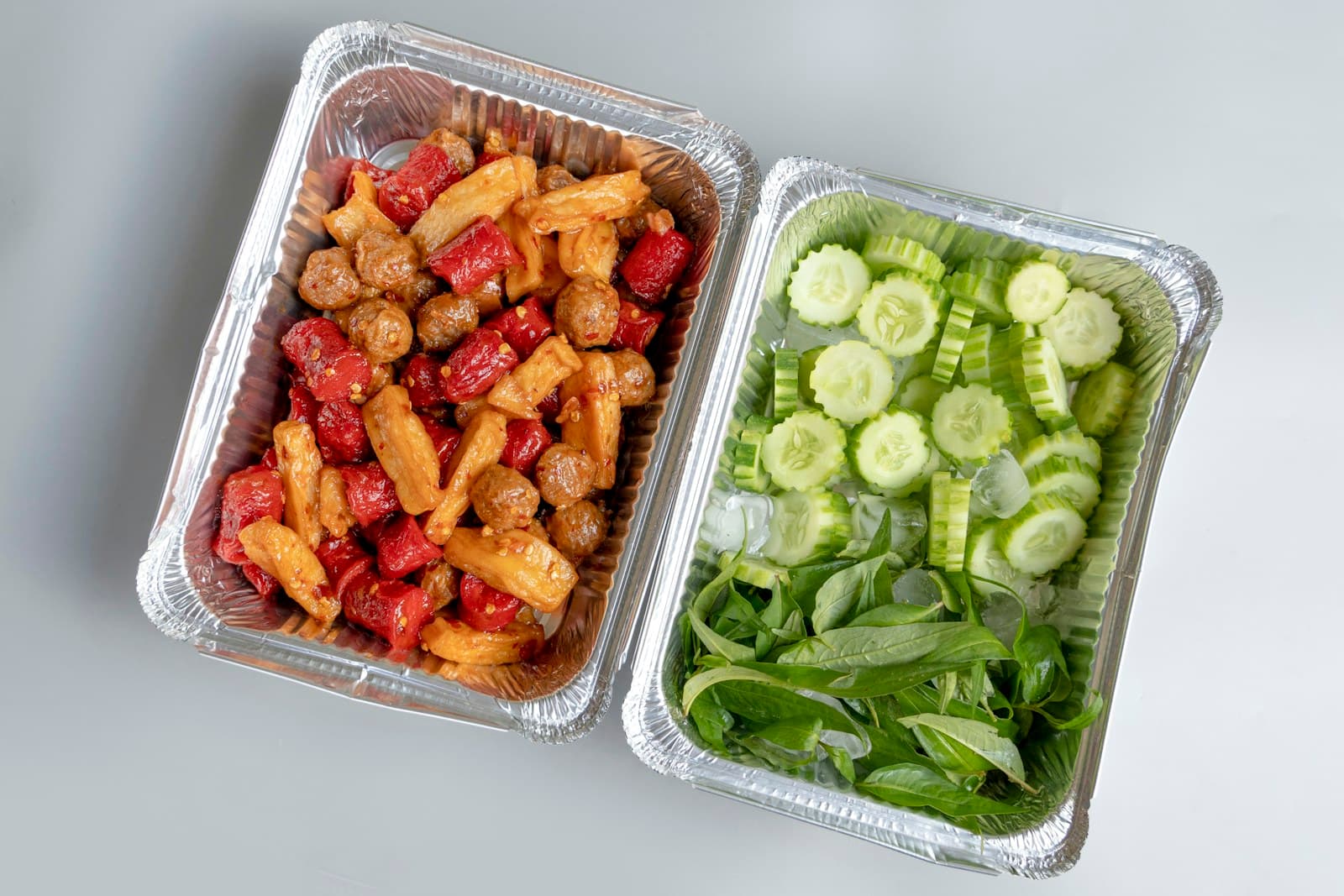
Use one batch of cooked grain in bowls, salads, sides, and soups while changing textures, flavors, and meal components each time.
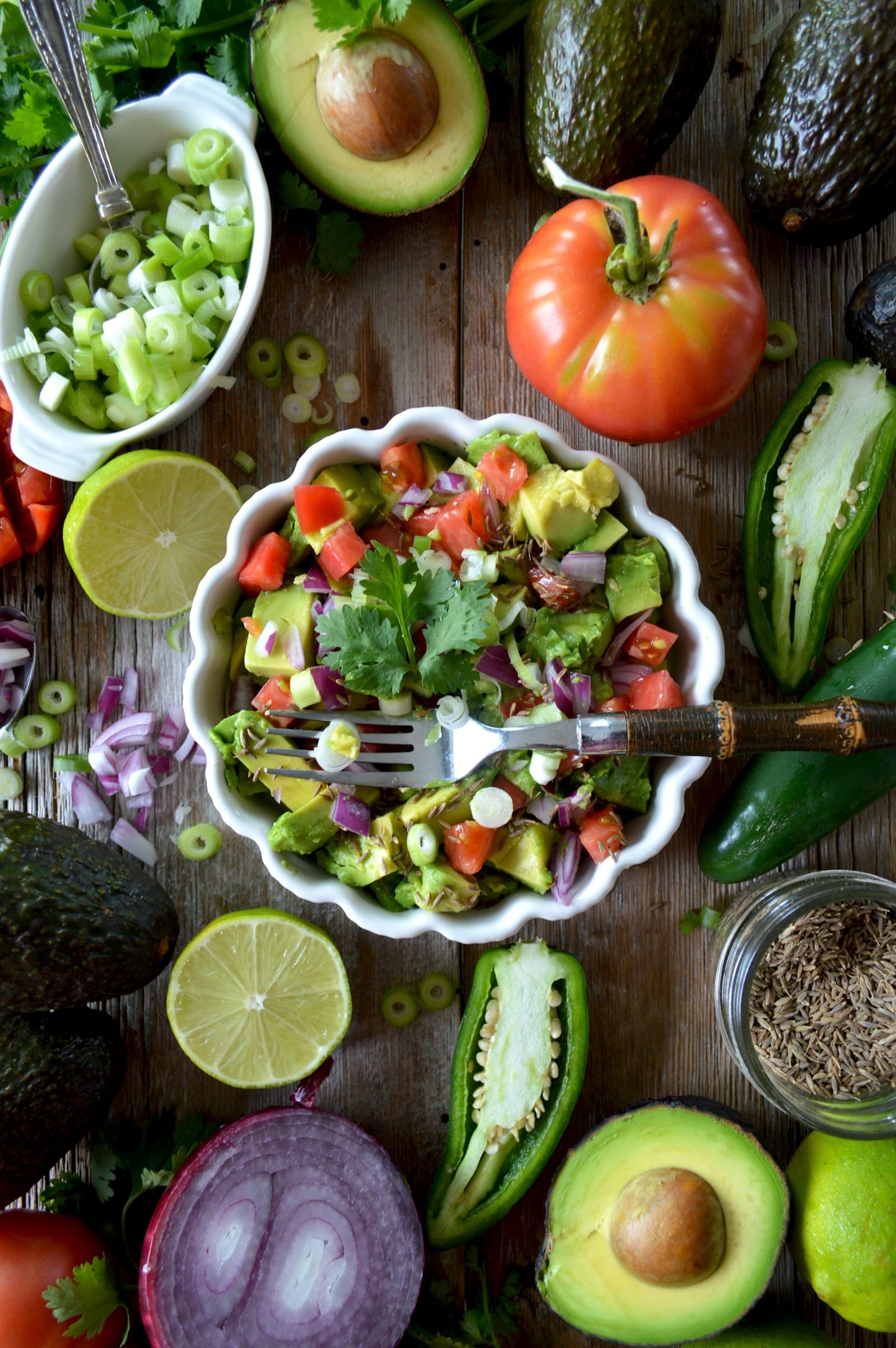
Use a simple review checklist for dark or color-shifted meal photos while keeping portion and nutrition estimates appropriately flexible.
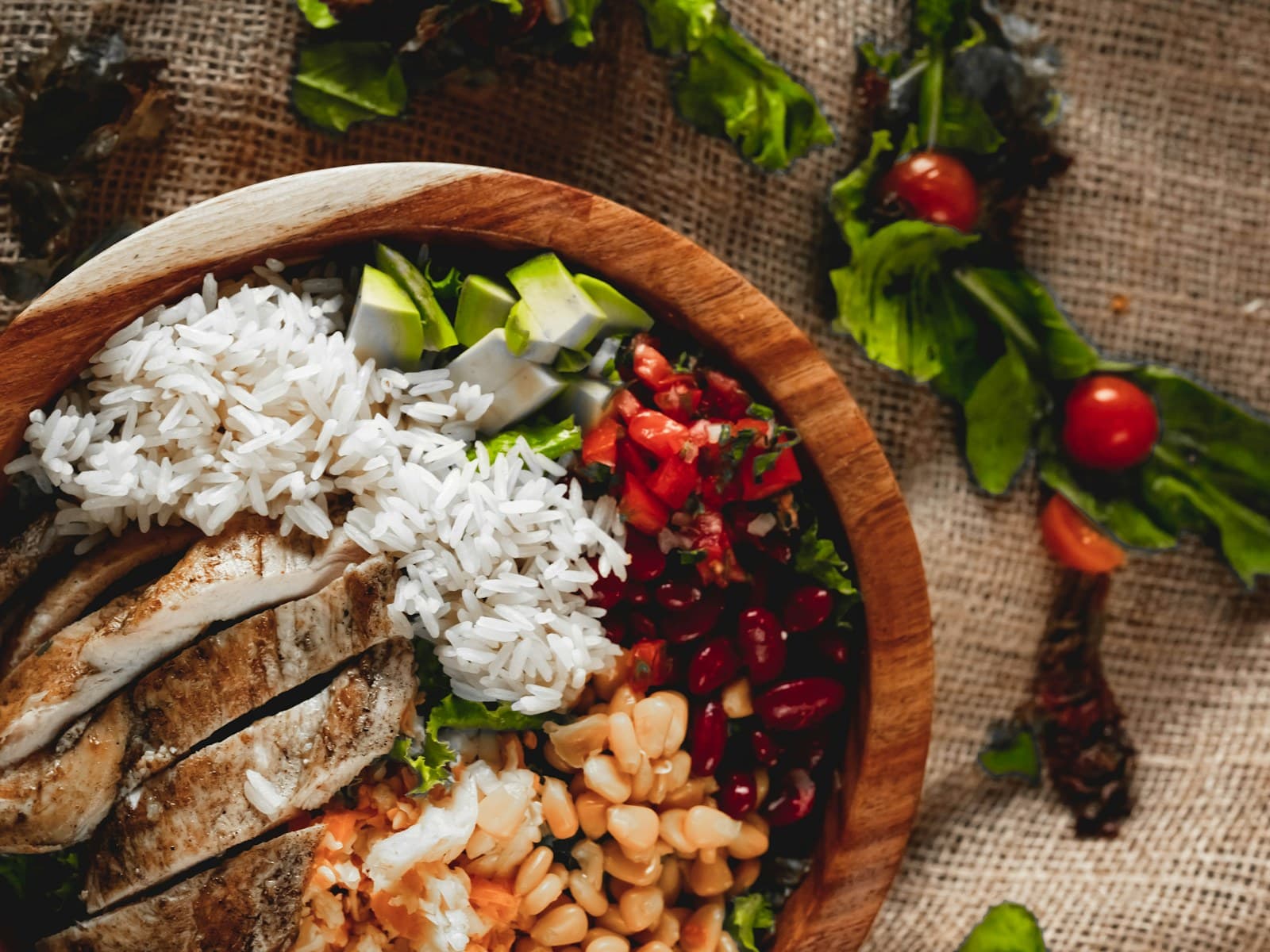
Learn how broth, grains, legumes, proteins, vegetables, and serving size shape a careful macro review for soups and stews from a food photo.
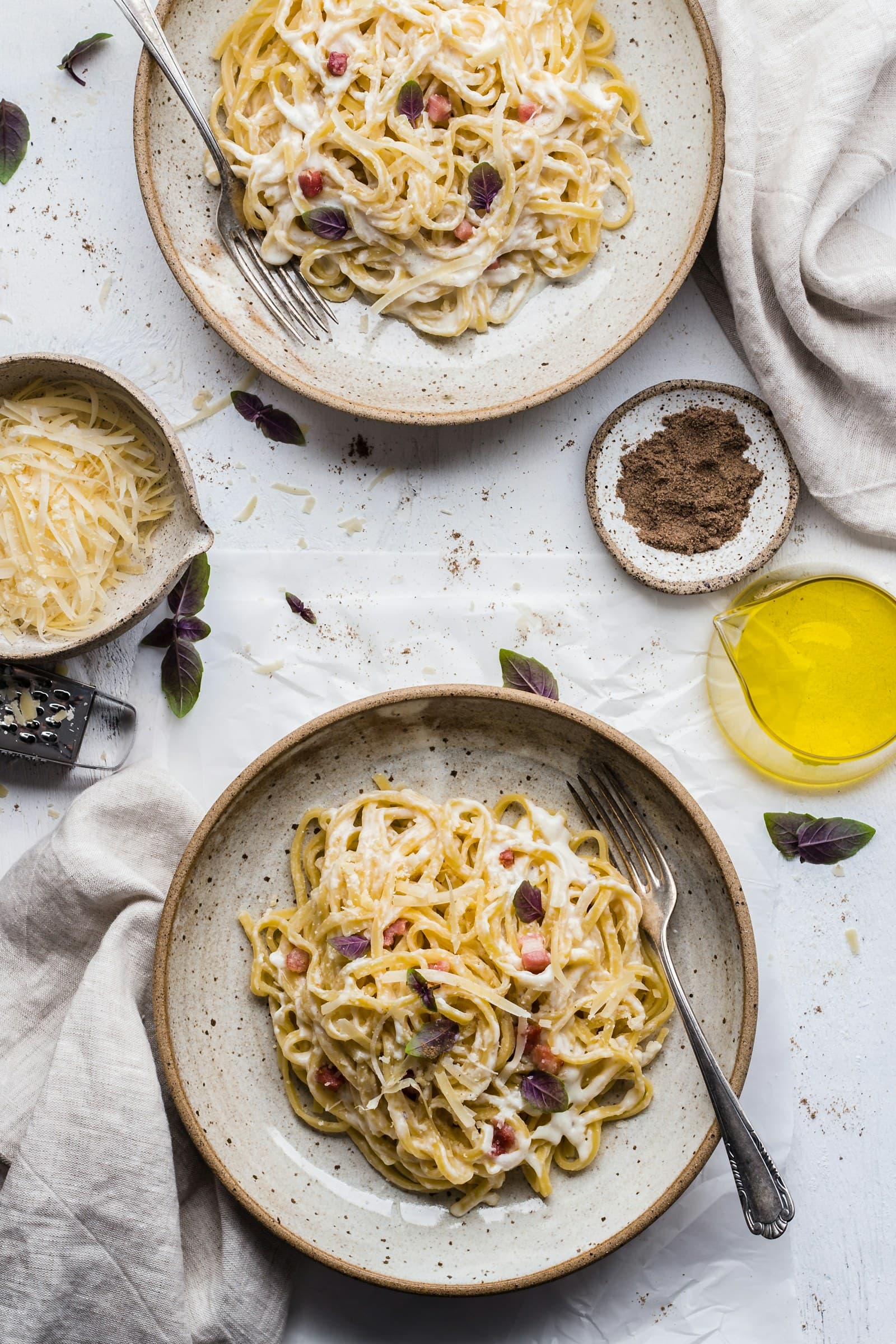
Learn how recipes, labels, cup size, and leftovers can make a blended-drink calorie estimate more useful and easier to review.
A practical way to review breakfasts, lunches, dinners, and snacks separately, using flexible patterns instead of trying to change everything at once.
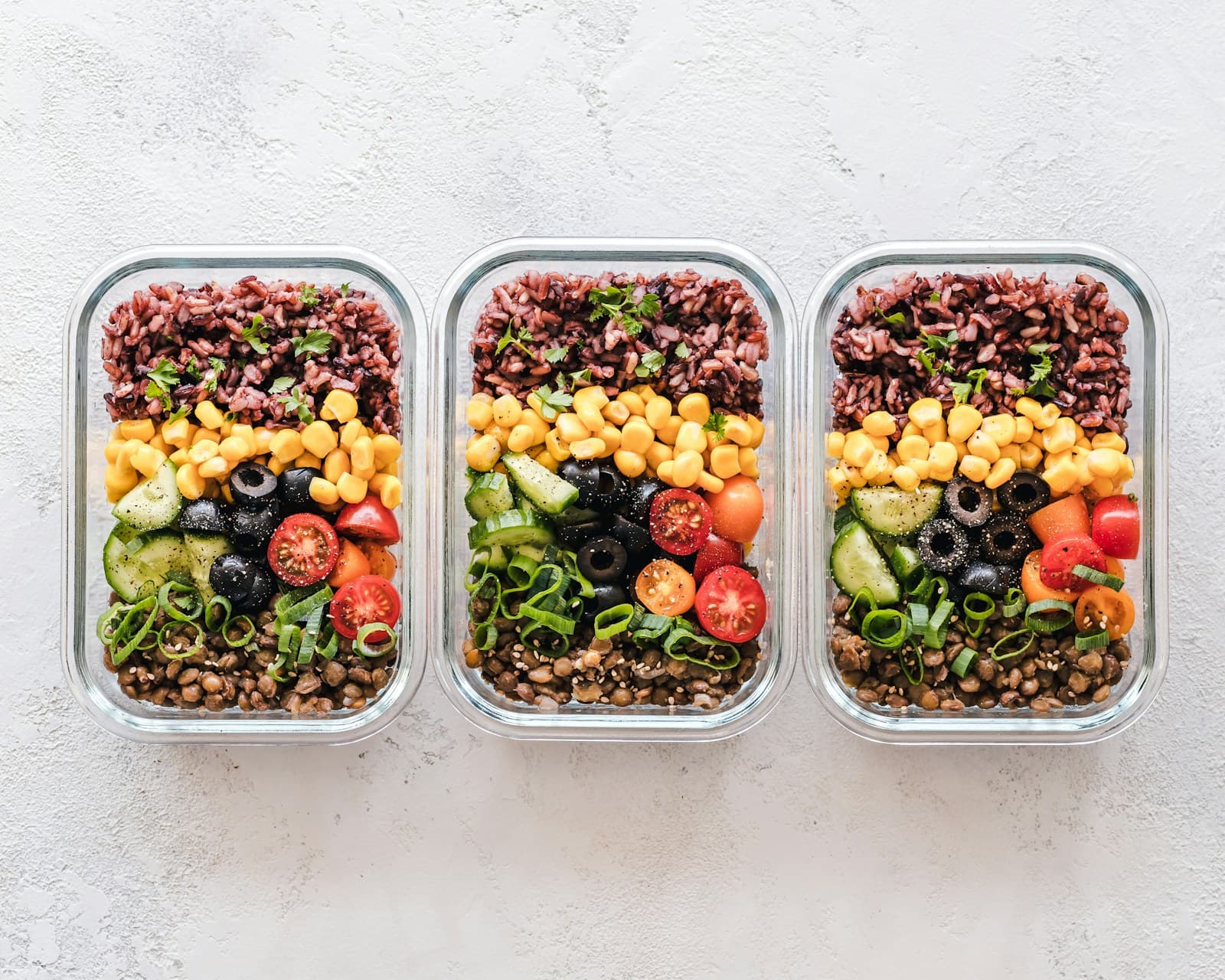
Use a flexible prep session to create varied dinners, adjust portions at serving time, and keep photo-based food notes useful and editable.
Learn when a side view, opened sandwich, package label, or second plate photo can make a FoodSnap estimate easier to review and edit.
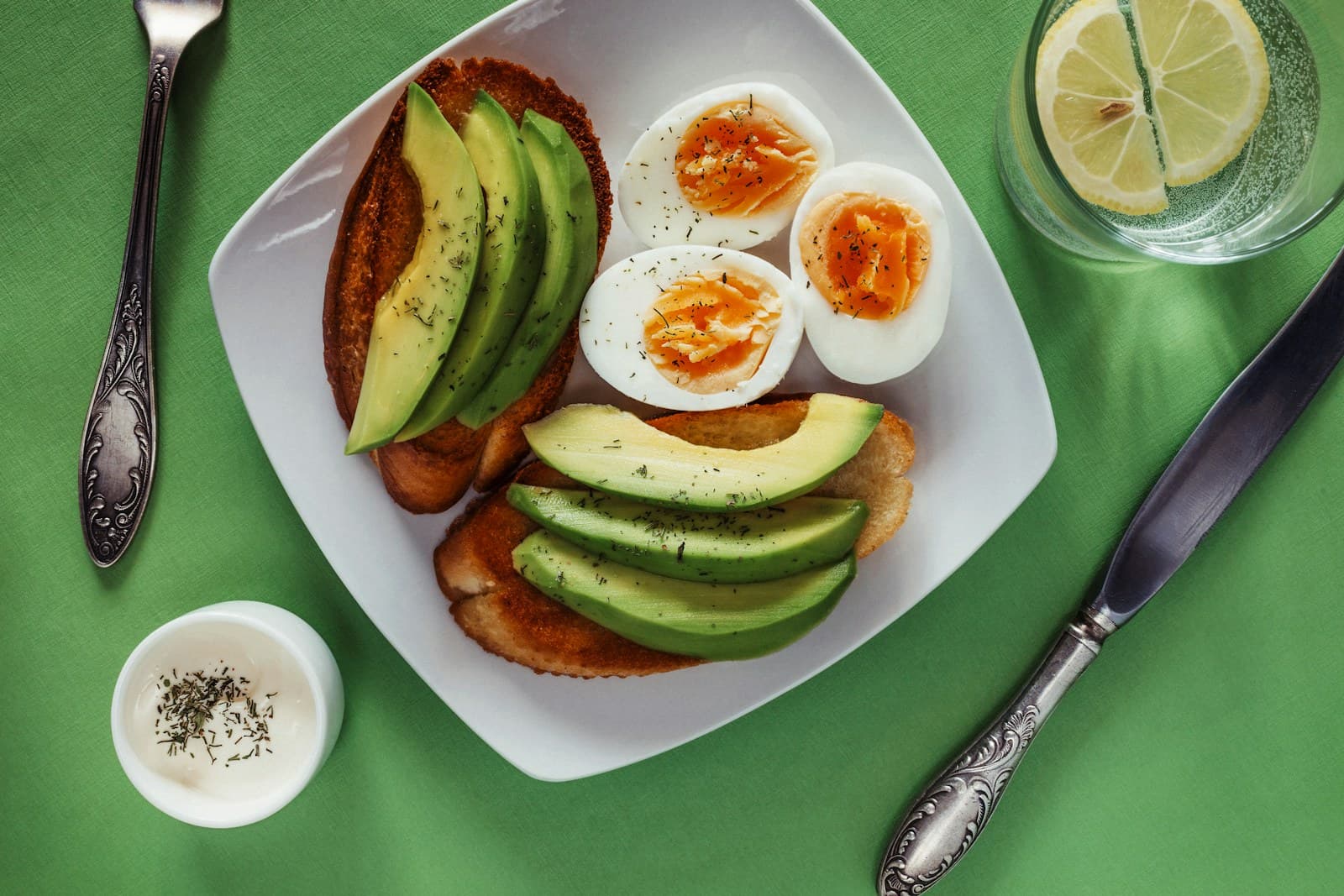
Learn how bread, tortillas, fillings, spreads, and toppings shape an editable macro estimate for sandwiches and wraps, with practical review steps.
Learn to review sandwich and wrap calorie estimates by separating bread, filling, spreads, toppings, and portion size with care.
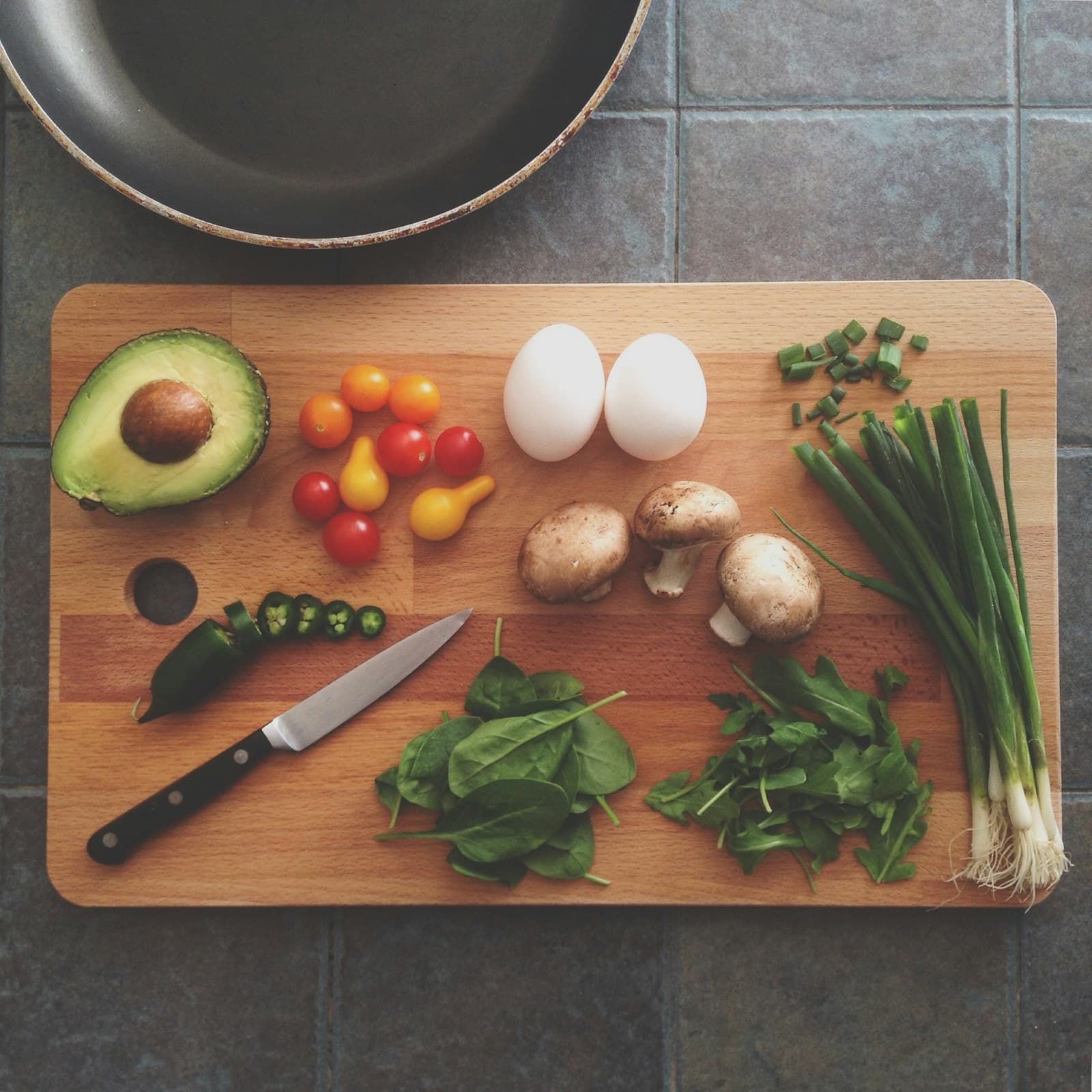
Use four adaptable lunch formats to simplify daily choices while keeping ingredients, portions, and food-photo estimates easy to review.
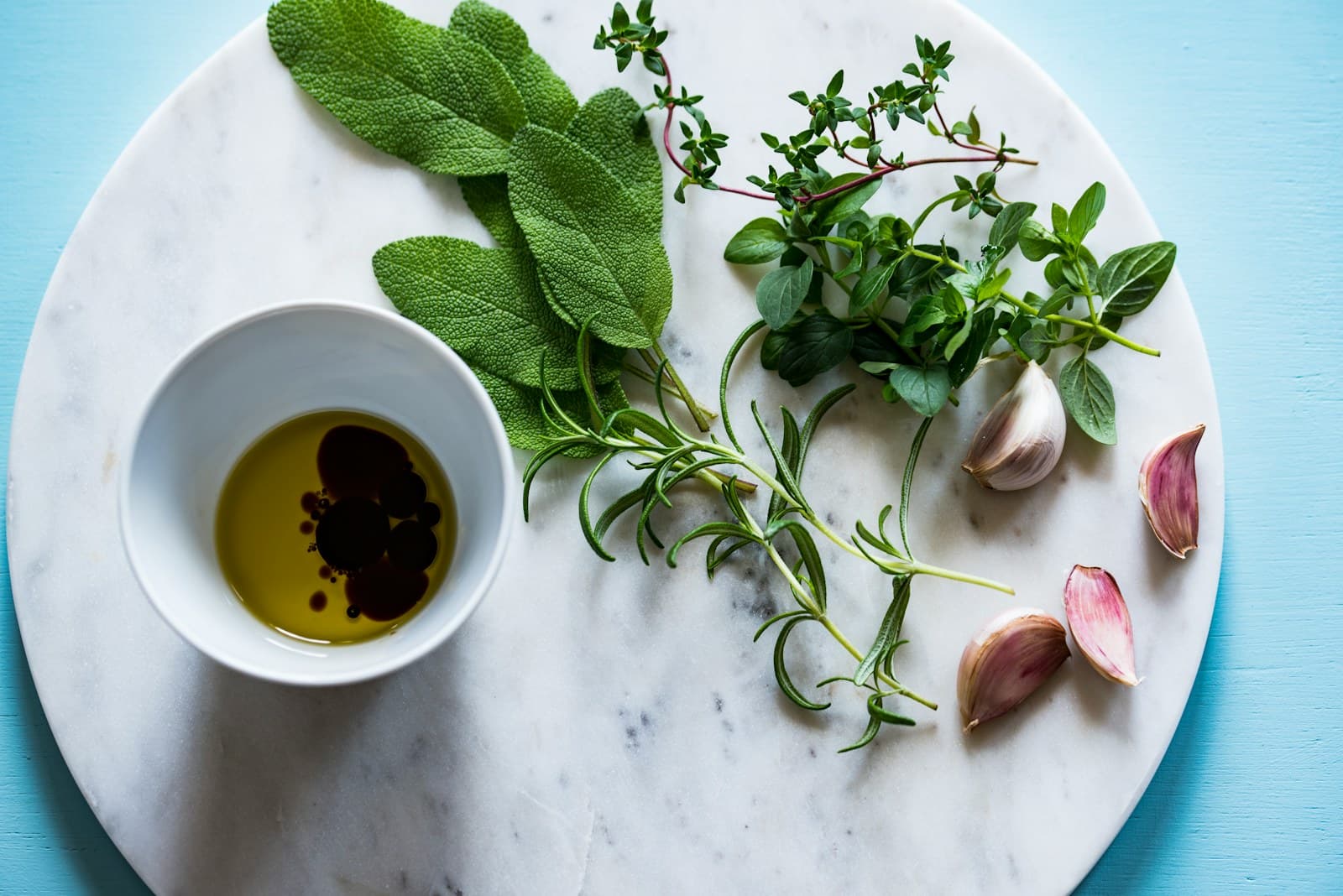
See how top-down and angled food photos reveal different portion clues, why perspective can mislead, and how to review estimates thoughtfully.
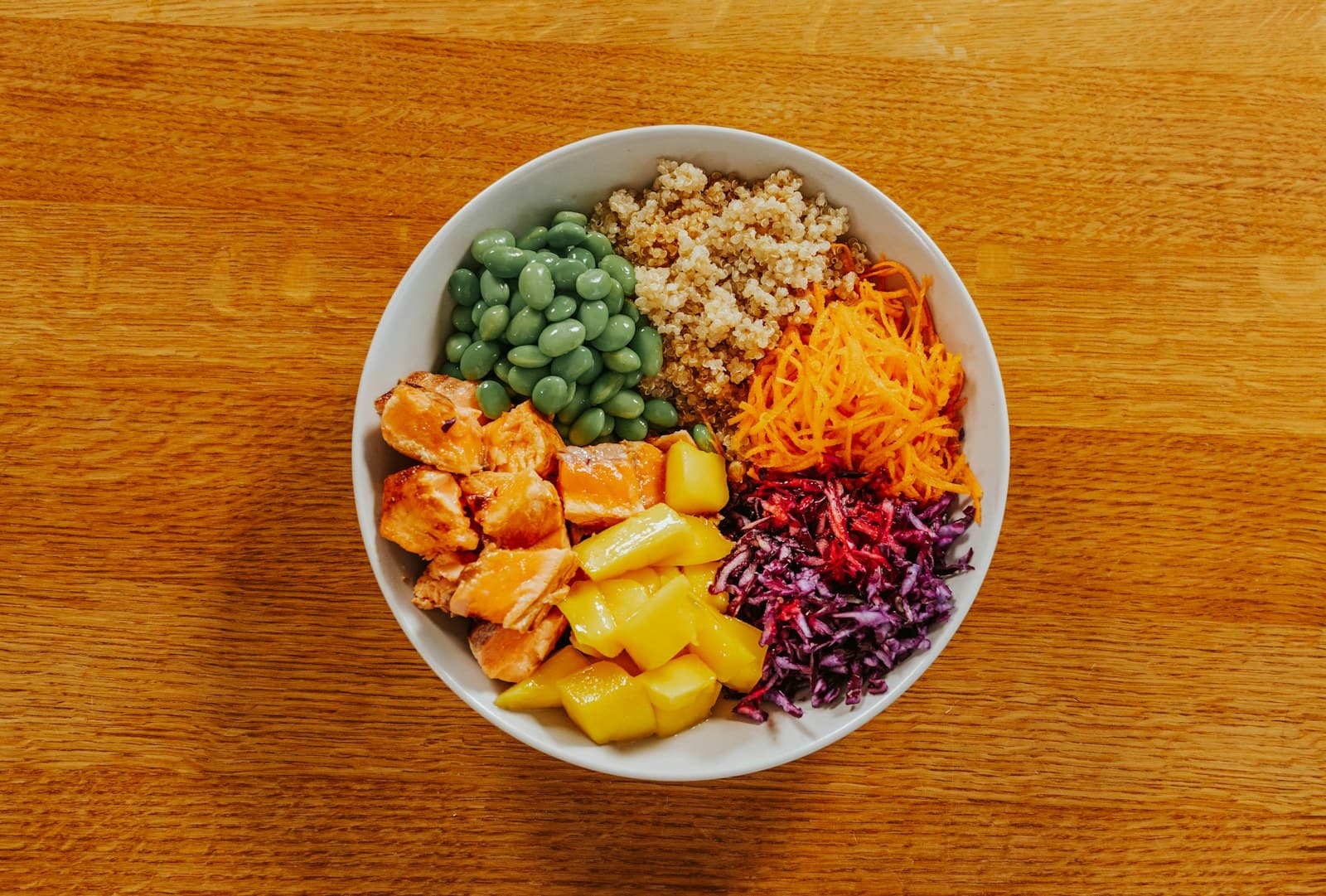
Learn to check a protein estimate in bean, lentil, pea, and mixed legume meals by reviewing portions, recipes, labels, and context.
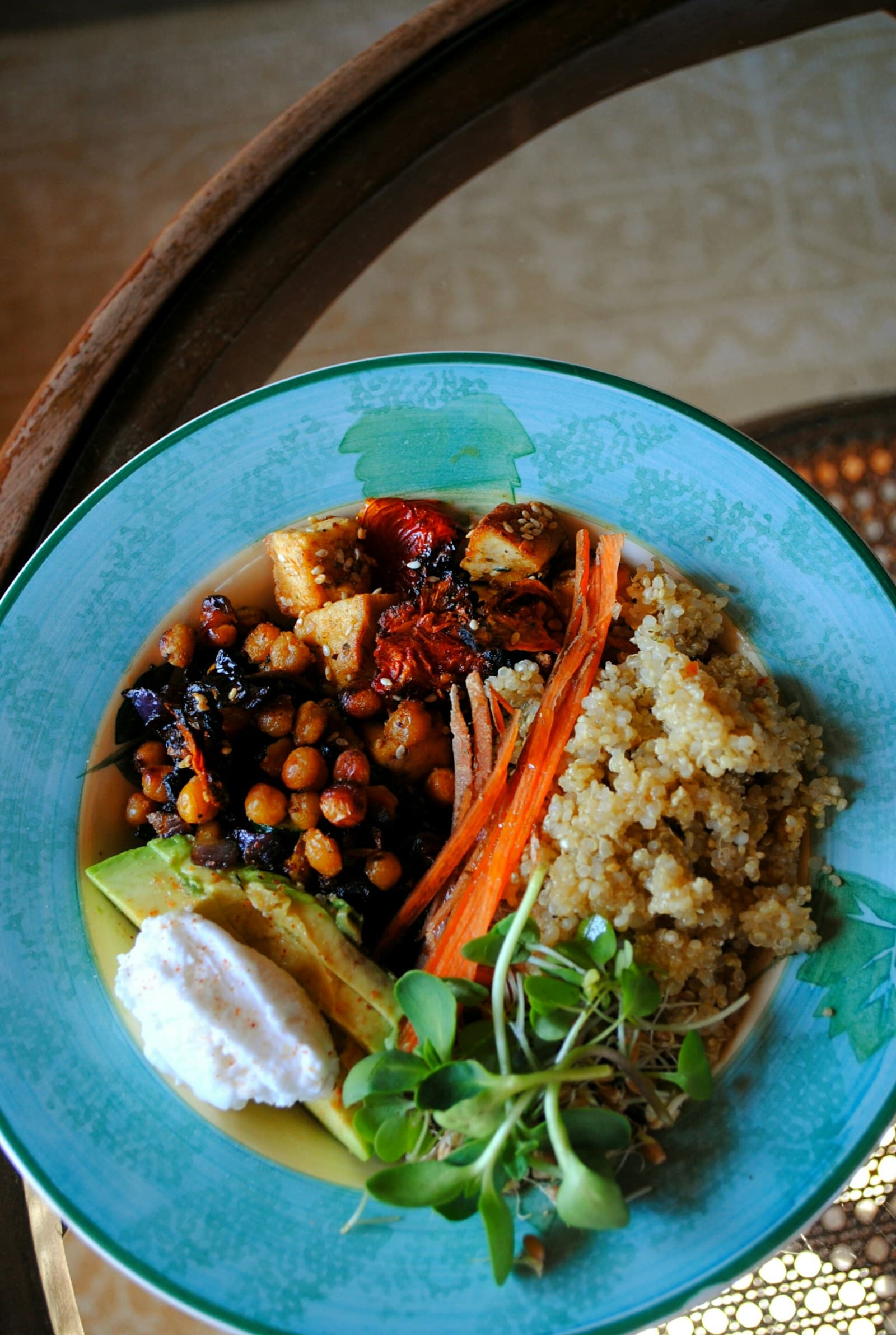
Learn how broth, ingredients, recipe concentration, and bowl size shape a flexible soup or stew calorie estimate you can review.
A quick food-log method for busy moments: save a photo, name the meal, and make one useful correction without chasing detail.
Build a flexible breakfast framework from food-group components, with practical combinations, photo-log context, and room for changing mornings.
Learn to separate visible foods from hidden oils, sauces, fillings, and recipe details when reviewing a meal photo and its estimate.
Use a practical, photo-friendly checklist to review a meal’s protein estimate by checking portions, ingredients, labels, and uncertainty.