
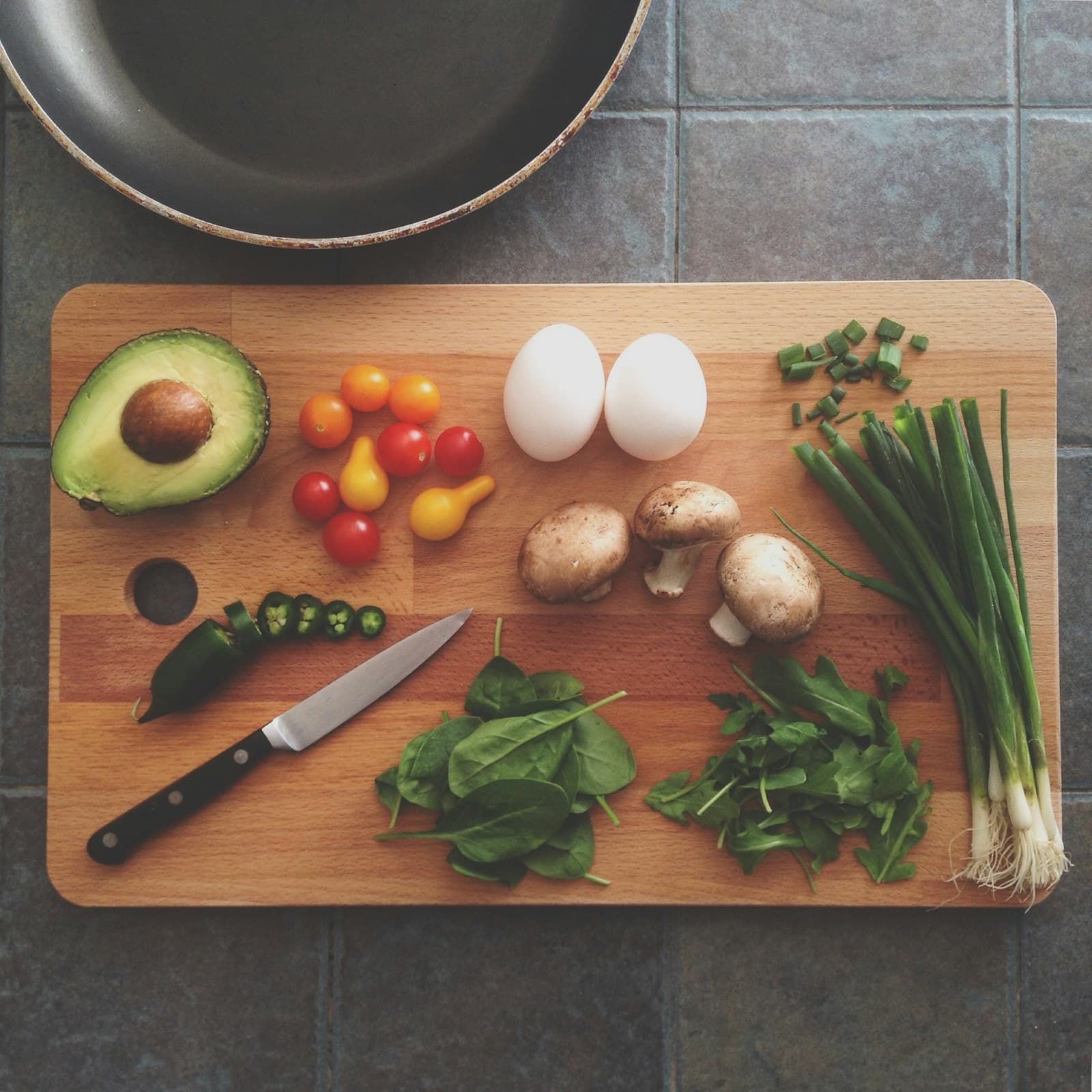
Plan formats, not a fixed menu
A small lunch rotation is a short list of meal shapes you can reuse. It might include a bowl, a wrap or open-faced sandwich, a composed plate, and a soup or stew pairing. The format stays familiar while the ingredients change with your schedule, appetite, leftovers, and shopping list. This gives you a decision framework without requiring the same lunch every day.
The approach also fits the broad ideas in the USDA MyPlate Plan and World Health Organization guidance. MyPlate illustrates planning around food groups, while WHO guidance emphasizes variety and balance. Here, those ideas are used as general prompts rather than personal targets, prescribed portions, or a fixed nutritional formula.
Format one: the mix-and-match bowl
A bowl works well when you have a base, a main ingredient, produce, and something that brings the components together. The base could be rice, potatoes, grains, noodles, or another familiar option. Add vegetables or fruit according to what is available, then use beans, eggs, tofu, fish, poultry, meat, or leftovers as the central ingredient. A sauce, dressing, herbs, or crunchy topping can change the character of the meal.
Keep the structure and change one or two parts at a time. A rice bowl with roasted vegetables can become a potato bowl with greens, or a grain bowl can use leftover cooked vegetables and a different dressing. Portions can change too: you might serve more of one component and less of another based on what you have or how hungry you feel. When logging a bowl from a photo, identify each visible component and edit the amounts if the estimate does not match what you ate.
Format two: the wrap, sandwich, or toast
This format is useful when portability or speed matters. Start with bread, a tortilla, pita, or toast, then add a filling, produce, and a spread or condiment. Beans, tuna, chicken, egg, cheese, hummus, roasted vegetables, or leftovers can all work as fillings. A side such as fruit, vegetables, yogurt, or a small serving of leftovers can make the meal feel different without requiring a new plan.
Small changes can have a noticeable effect on the food being logged. Two slices of bread are not the same as one, and a generous spread is different from a thin layer. The same is true for cheese, oil-based dressings, avocado, and other ingredients that may be partly hidden after assembly. If a photo cannot show the amount clearly, record the detail you know—such as the type of bread or filling—and keep the rest as an editable estimate rather than treating it as a measurement.
Format three: the composed plate
A composed plate is a useful option when you do not want to assemble a mixed dish. Place a main item beside one or more produce choices and a starch or other side. This can be leftover chicken with vegetables and potatoes, tofu with rice and cucumber, or beans with a salad and bread. The format works especially well for using small portions of several leftovers.
The plate can flex with the day. Swap roasted vegetables for raw vegetables, change the side, or use a smaller amount of several items instead of a larger amount of one. Keep sauces separate when possible if you want their quantity to be easier to see and record. Because the foods remain visually distinct, a photo may provide useful clues about what is present, but it still cannot reveal every ingredient, cooking method, or exact amount.
Format four: soup or stew with a side
Soup and stew lunches can absorb a wide range of ingredients, including vegetables, beans, grains, noodles, meat, poultry, or tofu. Pair the soup with bread, fruit, a salad, or another small side when that suits the meal. The same pot can feel different across the week with a new garnish, side, or topping, while the basic lunch decision stays simple.
This format deserves a little extra attention during logging because ingredients are distributed through the liquid. A photo may show the bowl size and visible pieces, but it may not show how much broth, oil, cream, grain, or protein is in each serving. Note what went into the pot and how much you served when you can. If you are reviewing a FoodSnap estimate, adjust the recipe or serving details rather than assuming the visible surface tells the whole story.
Make the rotation easy to use
To build your own rotation, write four format names on a note and list a few interchangeable ingredients under each one. Choose options from your current kitchen instead of creating a separate shopping project. You can also assign formats to busy days and slower days: a wrap may suit travel, a bowl may use leftovers, and a composed plate may work when several small items need a place. The point is to reduce the number of decisions, not to enforce a schedule.
At the end of the week, review which formats were convenient and which needed too much preparation. Keep the structures that helped, replace ingredients that became repetitive, and remove any format that did not fit your routine. FoodSnap can support this review by giving you editable calorie, macro, ingredient, and portion estimates from meal photos. Use those estimates to notice what was included and to refine the record when you remember more—not to turn a flexible lunch into a pass-or-fail judgment.
Sources
- MyPlate Plan — USDA MyPlate
- Healthy diet — World Health Organization
FoodSnap provides editable nutrition estimates. This article is for general educational purposes and is not a substitute for individualized medical or dietary advice from a qualified professional.