
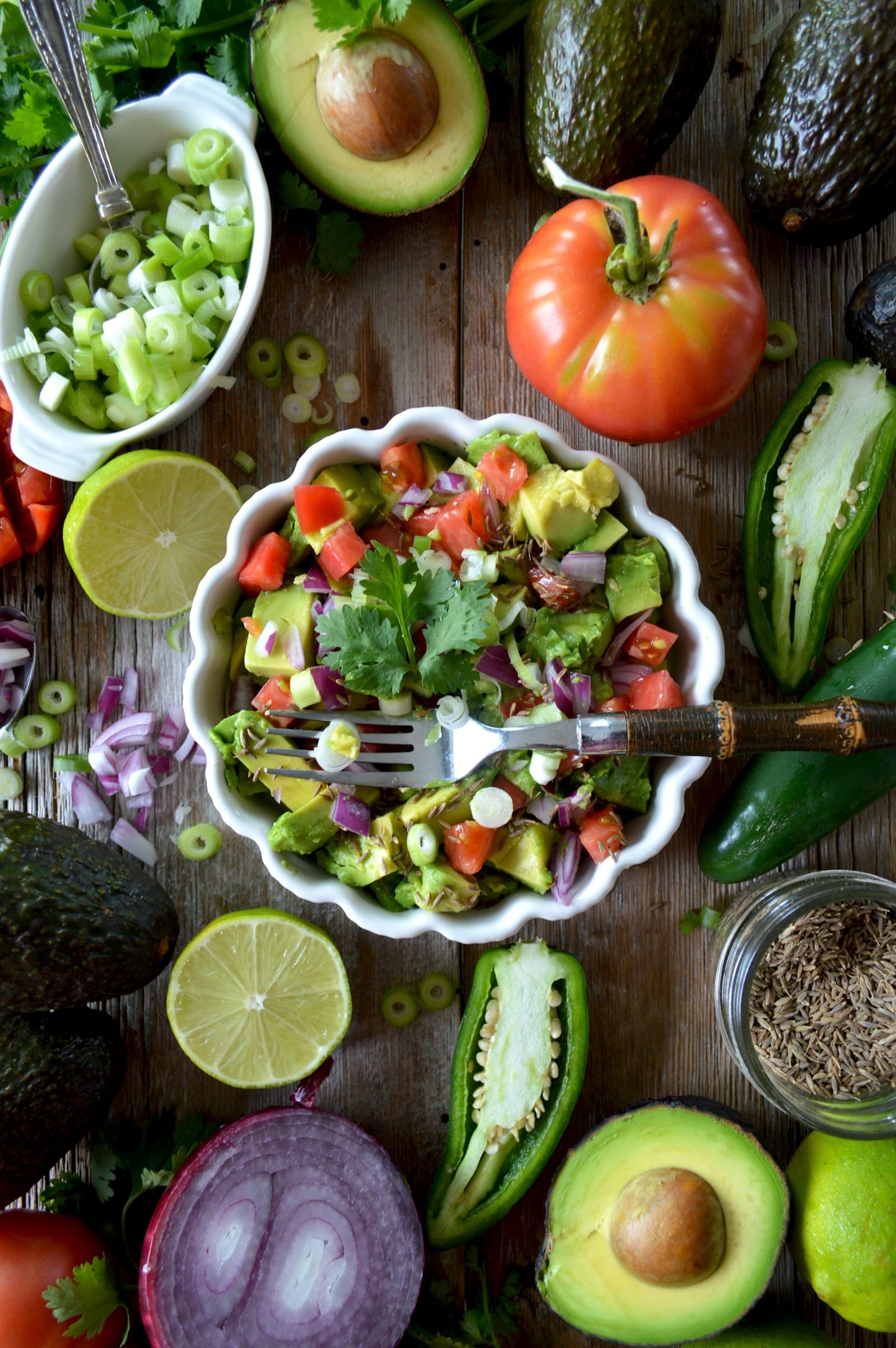
Start with what the image actually shows
A food photo can provide useful visual evidence, but it does not reveal every ingredient in a dish. Begin with the items that are plainly visible: a slice of bread, a scoop of rice, leafy greens, a piece of chicken, a cheese topping, or a bowl of soup. Note the apparent portion and the way the food is arranged without adding details that the image cannot establish.
This first pass creates a visible-food list rather than a complete recipe. Color, texture, shine, and garnish can offer clues, but they do not prove what produced them. A glossy surface might be oil, a sauce, moisture, or the natural appearance of the food. A dark filling might be beans, meat, vegetables, or a mixture. Keeping these possibilities separate makes the review more useful and less confident than the image warrants.
Mark hidden ingredients as possibilities
Next, create a second list for ingredients that may be present but are not clearly shown. Oils used in a pan, dressings beneath greens, sauces under a topping, butter mixed into grains, and fillings inside a sandwich are common examples of details a photo may conceal. These ingredients can matter to an estimate, yet their presence, amount, and recipe are usually uncertain from the image alone.
Use language that reflects that uncertainty: “possible dressing,” “sauce not confirmed,” or “filling unclear.” A visible drizzle is different from an unseen cooking oil, and a labeled condiment packet is different from a sauce blended into a dish. If the meal description, menu, packaging, or your own note supplies context, add it separately instead of presenting an inference as something the camera captured.
Review sauces, fillings, and cooking details
Sauces deserve a close review because they may be spread across a plate, pooled underneath food, or mixed into a prepared dish. Ask whether the sauce is visibly present, whether its amount can be roughly distinguished, and whether it is part of the item or served on the side. The photo may support identifying a separate dip while leaving its ingredients and quantity unresolved.
Fillings and cooking methods require the same care. A burrito, stuffed pastry, casserole, or sandwich can hide several components, while sautéing, roasting, frying, or steaming may not be clear from the final image. Do not turn a familiar recipe pattern into a confirmed ingredient list. Instead, identify the visible outer food, record the uncertain interior or preparation detail, and edit the estimate when better information becomes available.
Use records and labels for the details photos miss
When a packaged food or menu item is available, its label or description can answer questions that a photo cannot. The FDA advises starting with serving size and servings per container before interpreting calories and nutrients on a Nutrition Facts label. That sequence matters when the amount pictured is different from one labeled serving or when a package contains multiple servings.
For broader reference, USDA FoodData Central provides nutrient records, but the appropriate value depends on the food entry. USDA notes that values vary by food entry, brand, recipe, preparation, and portion. A generic record can help organize a review, but it should not erase uncertainty about a restaurant sauce, homemade filling, brand-specific spread, or the amount actually served.
Turn the review into a flexible estimate
A useful photo review can have three levels: clearly visible, plausible but unconfirmed, and unknown. FoodSnap provides editable calorie, macro, ingredient, and portion estimates from photos, so use the visible list as a starting point and adjust the uncertain fields when you know more. For example, you might add a confirmed dressing, remove a sauce that was not used, or revise a portion after checking the package or recipe.
The goal is not to force every hidden detail into a single answer. It is to make the assumptions easy to see and easy to change. When comparing an estimate with a label or USDA reference record, keep the serving size, brand, recipe, preparation, and portion aligned as closely as possible. If they do not align, record the difference rather than treating the numbers as directly interchangeable.
Sources
- USDA FoodData Central — U.S. Department of Agriculture
- How to Understand and Use the Nutrition Facts Label — U.S. Food and Drug Administration
FoodSnap provides editable nutrition estimates. This article is for general educational purposes and is not a substitute for individualized medical or dietary advice from a qualified professional.