
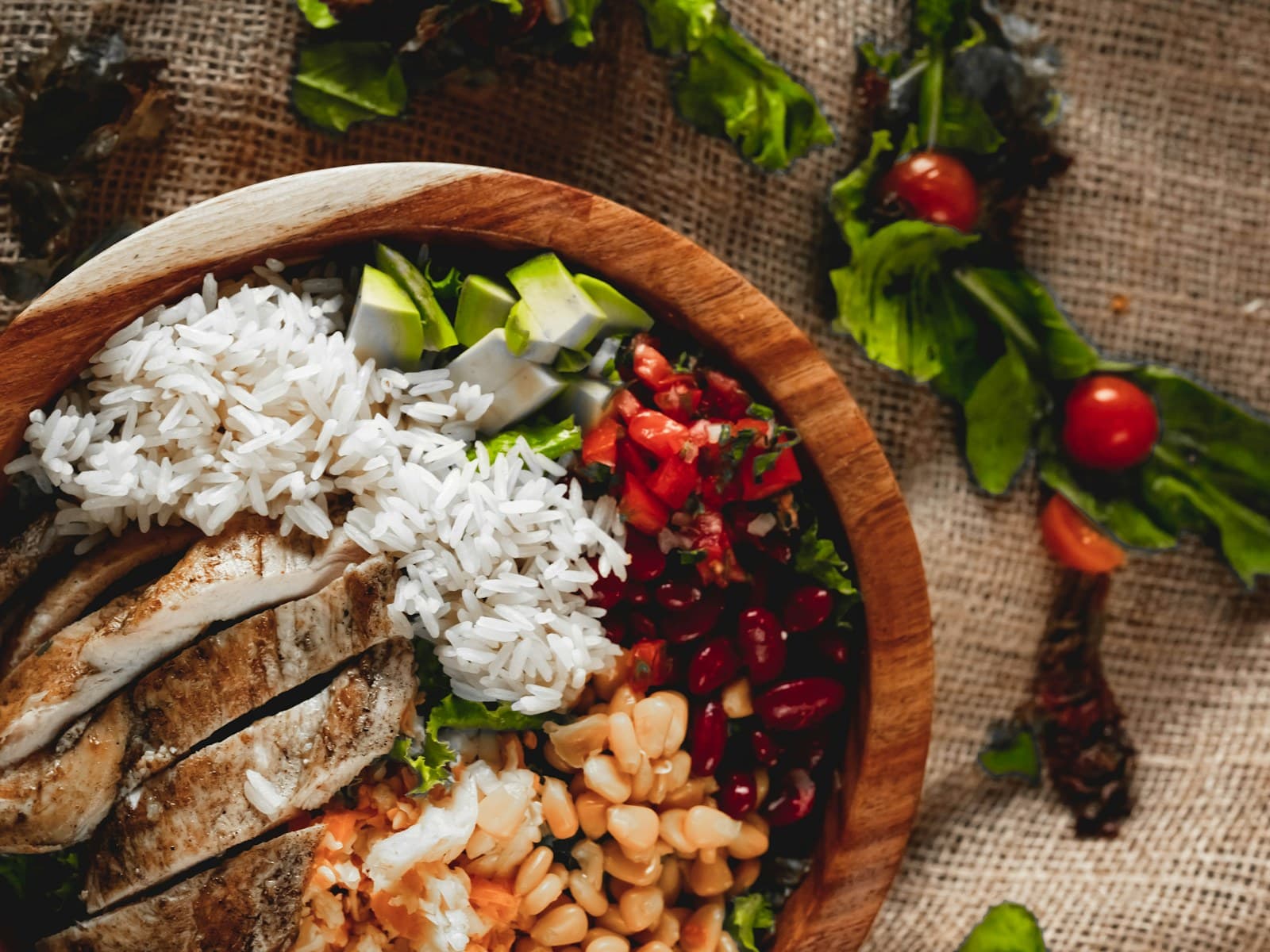
Start with the estimate as a draft
A food photo can show the overall meal, but it may not reveal the exact ingredients, recipe, brand, cooking method, or portion size. Begin by treating FoodSnap’s protein figure as an editable estimate built from visual clues. The goal is not to decide whether the number is “right” at a glance; it is to find the assumptions that have the biggest effect on the result.
Before changing anything, scan the photo from left to right or from the main dish outward. Note the visible foods, sauces, toppings, sides, and drinks. Then ask what might be outside the frame: a second piece of bread, a larger serving of rice, a filling inside a sandwich, or a dressing mixed into a salad. Record uncertainty rather than filling every gap with a precise-sounding guess.
Check serving size before protein math
Portion size is often the most important part of a protein review. Compare the amount shown with a familiar reference, such as one egg, a single slice, a small can, a scoop, or a measured cup when that comparison is reasonably clear. For a mixed dish, estimate the amount of the main protein ingredient separately from the volume of the finished recipe. A bowl’s size alone does not tell you how much chicken, tofu, fish, beans, or dairy it contains.
If the food came from a package, check the Nutrition Facts label’s serving size and servings per container before interpreting the protein line. The FDA specifically recommends starting with those details because the displayed nutrients correspond to the stated serving. A package that looks like one portion may contain more than one listed serving, so update the estimate if the photographed amount appears to include the whole package or only part of it.
Find the meal’s main protein contributors
Make a quick inventory in three groups. First, list the ingredients likely to contribute most of the meal’s protein, such as meat, seafood, eggs, dairy foods, tofu, tempeh, beans, lentils, or a protein-containing packaged item. Second, list smaller contributors, such as grains, nuts, seeds, or bread. Third, note ingredients that mainly affect flavor, moisture, or volume and are unlikely to change the protein total much. This keeps attention on the assumptions that matter most.
For combination foods, do not let the visible top layer stand in for the whole recipe. A burrito, curry, casserole, soup, smoothie, or sandwich may distribute protein across several ingredients. Check whether the estimate appears to recognize fillings, beans, cheese, milk, yogurt, or other components hidden beneath or inside the visible surface. If a key ingredient is unclear, use a broader description or edit the ingredient rather than treating the photo’s appearance as proof of a specific food.
Use references without forcing a single number
USDA FoodData Central provides reference nutrient records, but the applicable value can vary by food entry, brand, recipe, preparation, and portion. When checking a protein estimate, choose the closest practical entry instead of assuming that every food with the same name has the same nutrient profile. For example, cooked and uncooked versions, different cuts, and different packaged products may not be interchangeable references.
A useful comparison asks whether the estimate is in a plausible range for the ingredients and portions you identified. It does not require a false level of detail. If the brand is unknown, the recipe is mixed, or the serving is hard to judge, keep the estimate broad in your own interpretation and make the most transparent edit available. A small change to an uncertain ingredient is usually more useful than repeatedly adjusting the final total by tiny increments.
Edit, save, and review consistently
Now return to the estimate and make a short edit pass: correct the food identity, adjust the visible portion, add or remove a major contributor, and check whether a packaged item uses the right serving count. Review sauces, fillings, and sides only when they materially change the protein estimate. FoodSnap’s editable result is useful here because you can revise assumptions instead of treating the first photo interpretation as fixed.
For future meal reviews, use the same order: serving size, main contributors, hidden ingredients, reference entry, and final edit. Consistency makes comparisons more informative, even when each meal remains an estimate. If the photo cannot answer an important question, note that limitation and move on. The checklist is meant to make your food log more transparent and practical, not to turn an ordinary meal into a laboratory exercise.
Sources
- USDA FoodData Central — U.S. Department of Agriculture
- How to Understand and Use the Nutrition Facts Label — U.S. Food and Drug Administration
FoodSnap provides editable nutrition estimates. This article is for general educational purposes and is not a substitute for individualized medical or dietary advice from a qualified professional.