
Why the same plate can look different
A food photo is a view of a meal, not a scale reading. When the camera moves, the relationship between the food and the container changes on screen. A top-down image emphasizes the area each item covers, while an angled image emphasizes the food’s height, sides, and position inside a bowl or plate. The meal has not changed, but the clues available for review have.
This matters most when foods have different shapes or sit at different levels. A flat tortilla, a pile of rice, and a thick sandwich do not present the same visual information from one direction. Even a familiar serving can look more or less substantial depending on how much of its surface, edge, or depth is visible. Treat the image as context for an estimate rather than a direct measurement.
What a top-down view can show
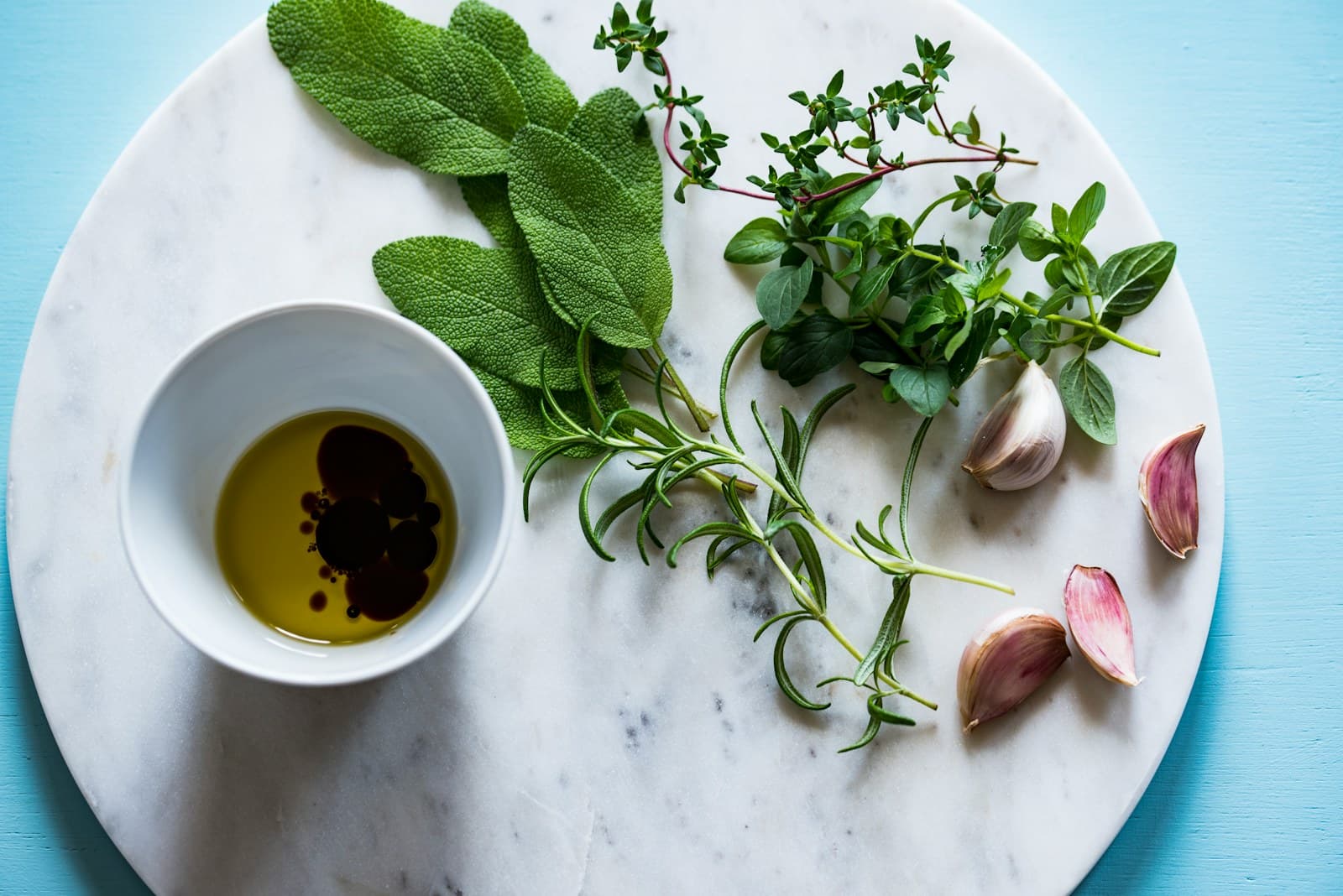
A photo taken from above gives a broad view of the plate or container. It can make it easier to distinguish separate foods, compare how much surface area each one occupies, and notice whether a meal is arranged in sections or mixed together. For a composed plate, those clues can help with identifying the visible components before reviewing a calorie, macro, ingredient, or portion estimate.
The limits are just as important. Surface area does not tell you how tall a mound is, how tightly food is packed, or what may be underneath a visible layer. A wide, shallow spread and a smaller, deeper pile can occupy similar areas while containing different amounts. Sauces, oils, fillings, and ingredients hidden inside a dish may also be difficult to judge from above.
What an angled view can show
An angled photo adds information about height and depth. You may see the thickness of a sandwich, the level of soup in a bowl, the layers in a parfait, or the amount of food rising above a plate. The rim of a container can also provide useful context about the vessel holding the food, especially when the meal is not spread across a flat surface.
Perspective still leaves open questions. The near side of a plate may appear larger than the far side, and a container can block food from view. A mound may hide its center, while a bowl can conceal how much is below the visible surface. The photo may show shape and structure without showing weight, volume, recipe proportions, or the amount of added ingredients. Those unknowns keep an angled view from becoming an exact measurement.
Compare the clues, not the camera angle
If two views are available, use each for a different review task. Start with the top-down image to list the visible foods and compare their footprint. Then use the angled image to inspect thickness, layering, and container depth. If the images disagree in how substantial a portion appears, that is a reason to flag uncertainty, not to select the more dramatic-looking view.
A useful review also includes details the camera cannot settle. Note whether the food is homemade, packaged, restaurant-prepared, mixed, or served with a separate sauce. Record a known package serving, a measured ingredient, or a stated portion when one is available. The FDA explains that serving sizes on Nutrition Facts labels reflect amounts people typically consume; they are not recommendations, and an individual portion can differ. That distinction helps separate a label reference from the amount shown in a photo.
Use visual frameworks without forcing precision
MyPlate offers a flexible framework for building variety across food groups. It can help you ask whether a photographed meal contains visible vegetables, fruits, grains, protein foods, or dairy, but it does not determine the meal’s exact nutrients. A photo may support a broad description of what is present while leaving many portion and preparation details unresolved.
In FoodSnap, treat the result as an editable starting point. Review the identified foods, adjust the portion or ingredient when you have better context, and keep uncertain items marked mentally as estimates. A top-down view may be the better reference for spread; an angled view may be the better reference for height. Neither one replaces information such as a package label, recipe, kitchen measure, or known serving. The goal is a more useful record built from visible clues and clearly recognized limits.
Sources
- Serving Size on the Nutrition Facts Label — U.S. Food and Drug Administration
- What Is MyPlate? — USDA MyPlate
FoodSnap provides editable nutrition estimates. This article is for general educational purposes and is not a substitute for individualized medical or dietary advice from a qualified professional.