
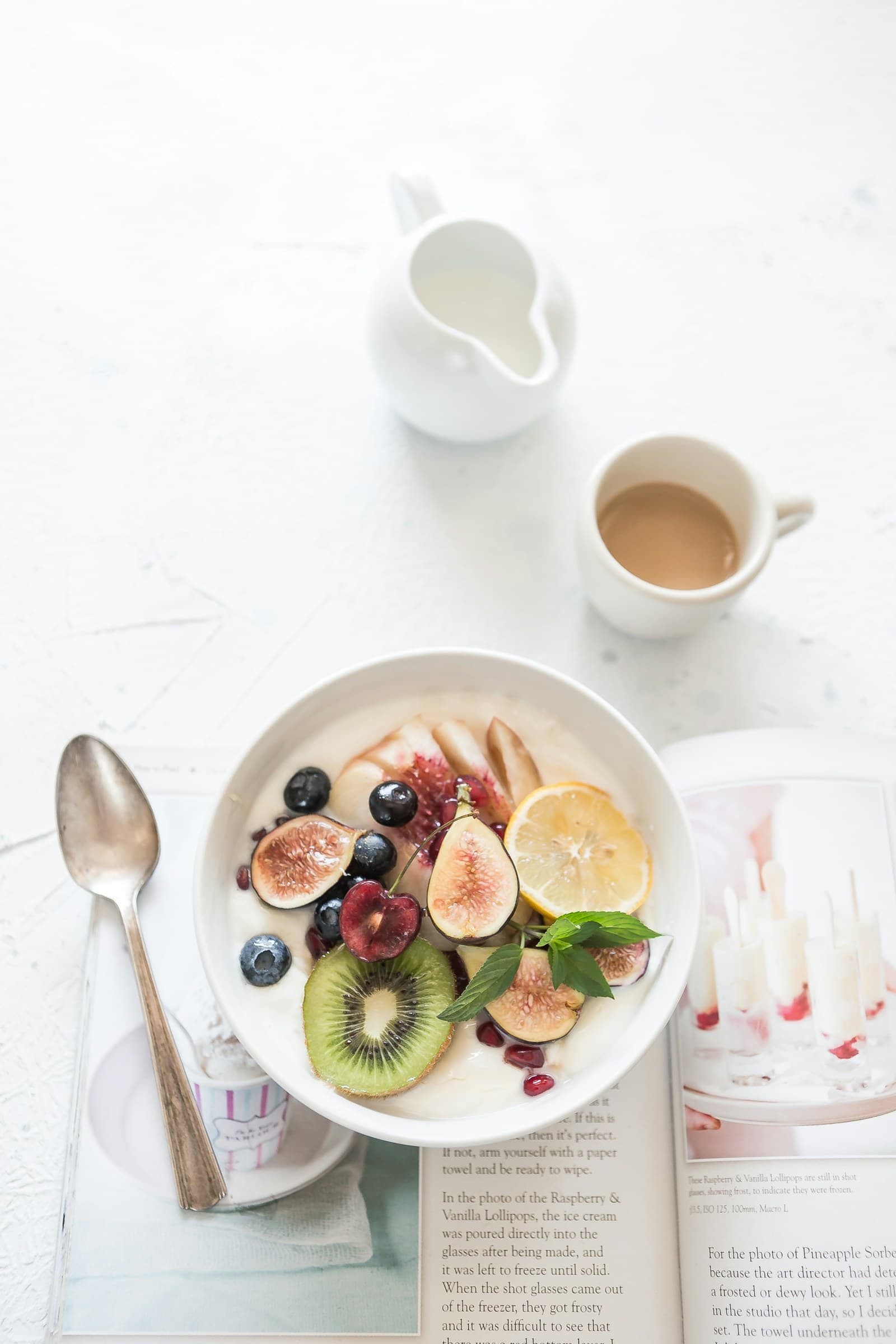
Mindful habits4 min read
The Minimum Useful Detail for a Busy Food Log
A quick food-log method for busy moments: save a photo, name the meal, and make one useful correction without chasing detail.
FoodSnap Learn
Clear guides for reading estimates, understanding macros, and planning meals. Visible sources, important context, and no magic promises.
A quick food-log method for busy moments: save a photo, name the meal, and make one useful correction without chasing detail.
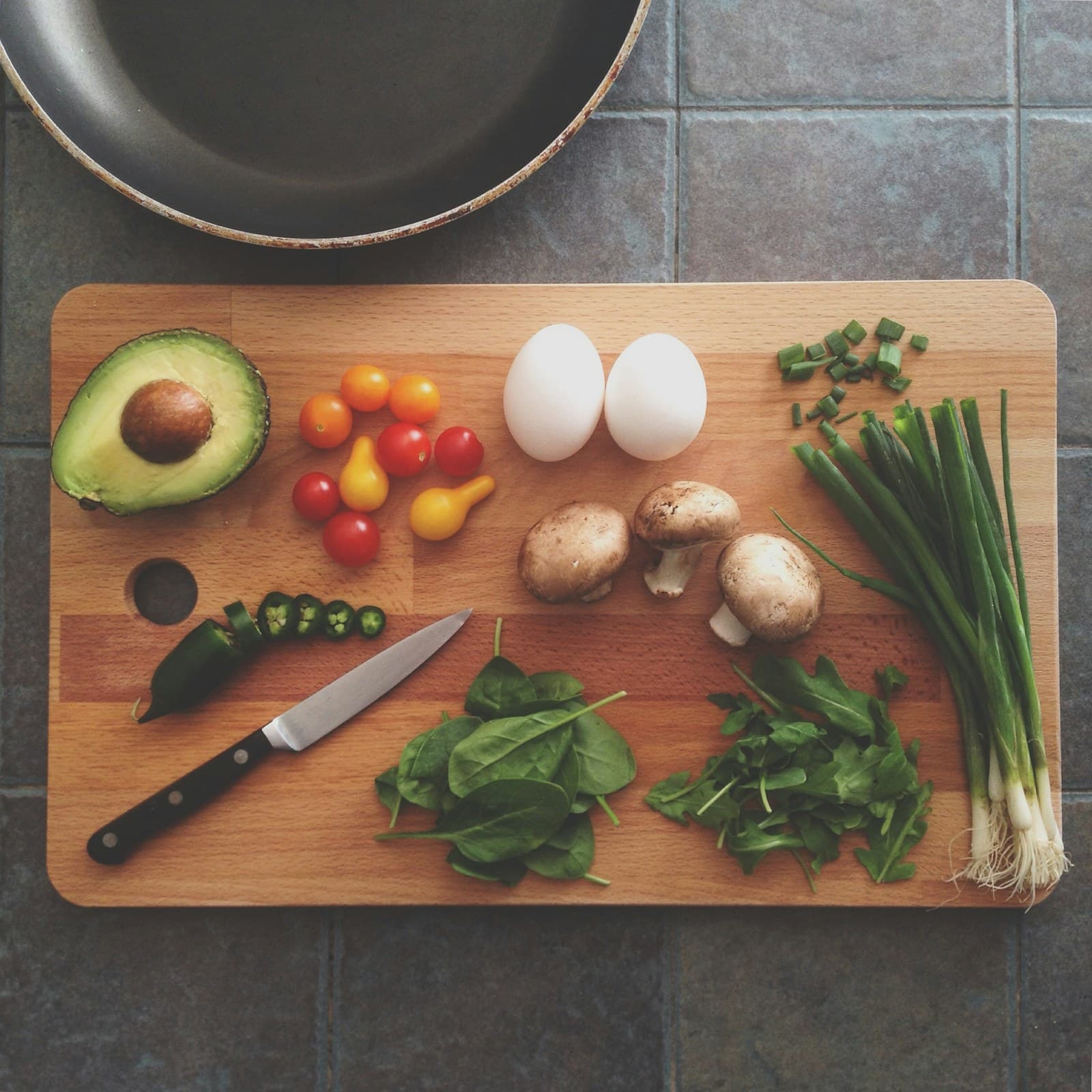
Build a flexible breakfast framework from food-group components, with practical combinations, photo-log context, and room for changing mornings.
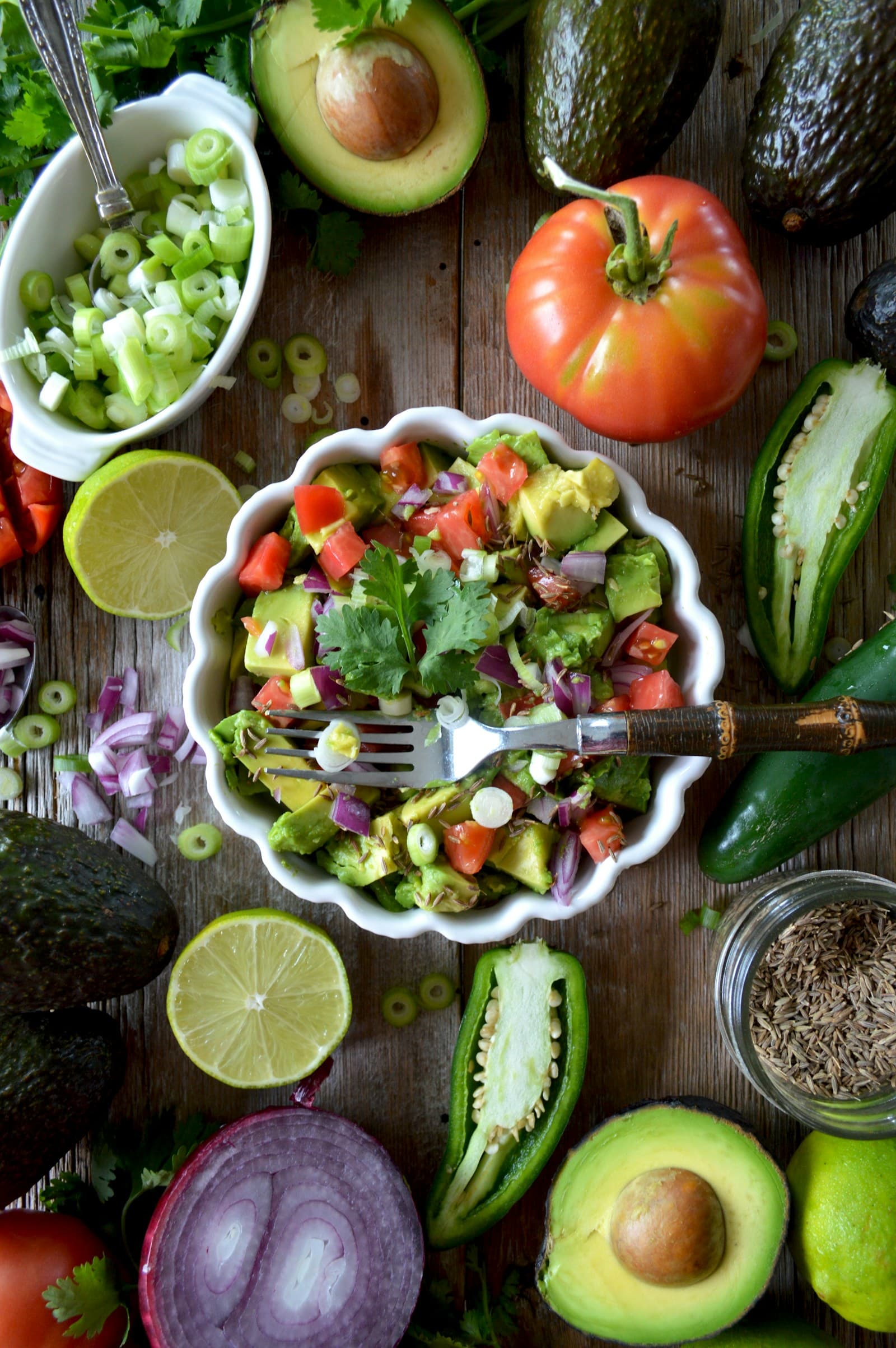
Learn to separate visible foods from hidden oils, sauces, fillings, and recipe details when reviewing a meal photo and its estimate.
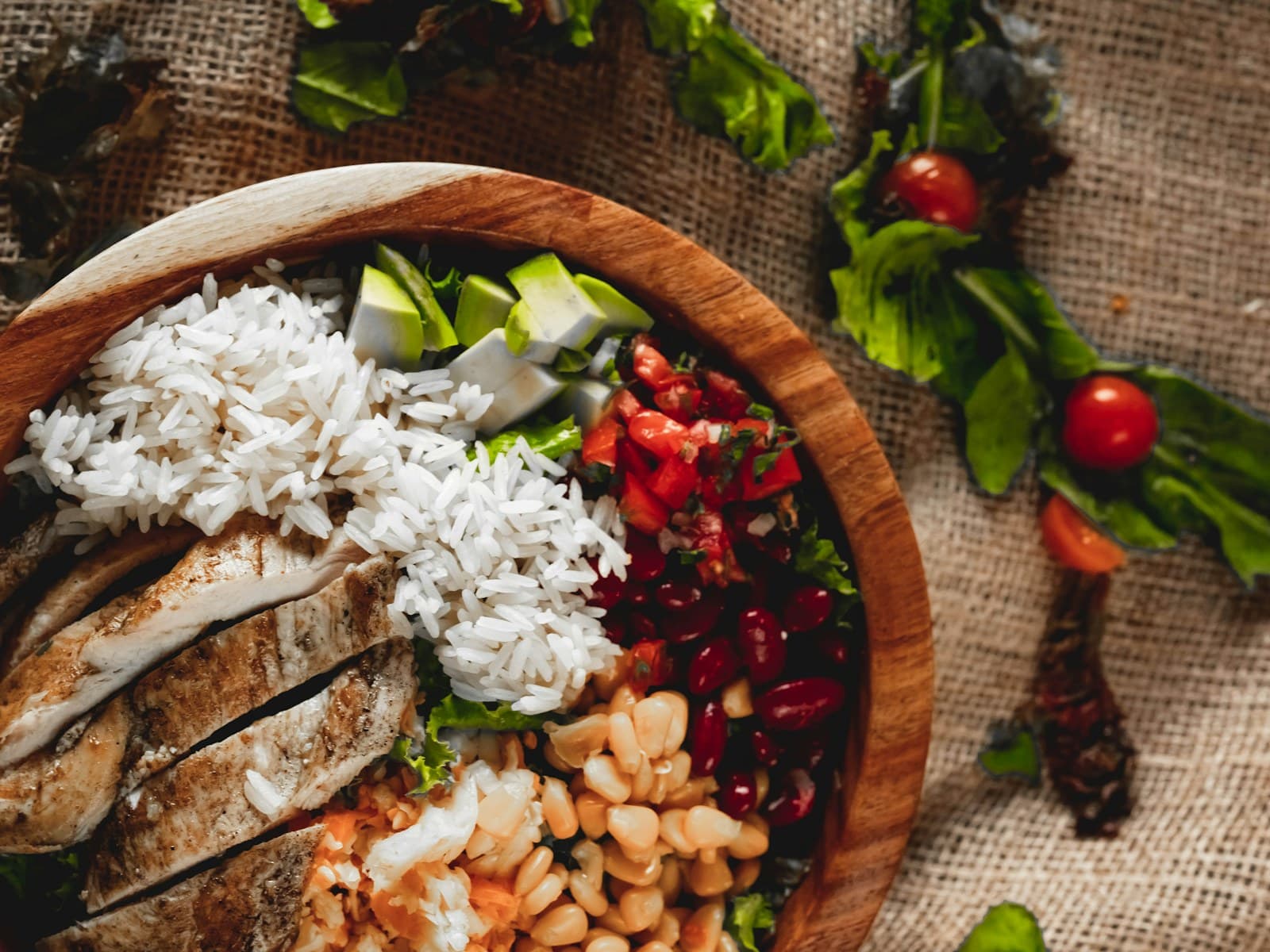
Use a practical, photo-friendly checklist to review a meal’s protein estimate by checking portions, ingredients, labels, and uncertainty.
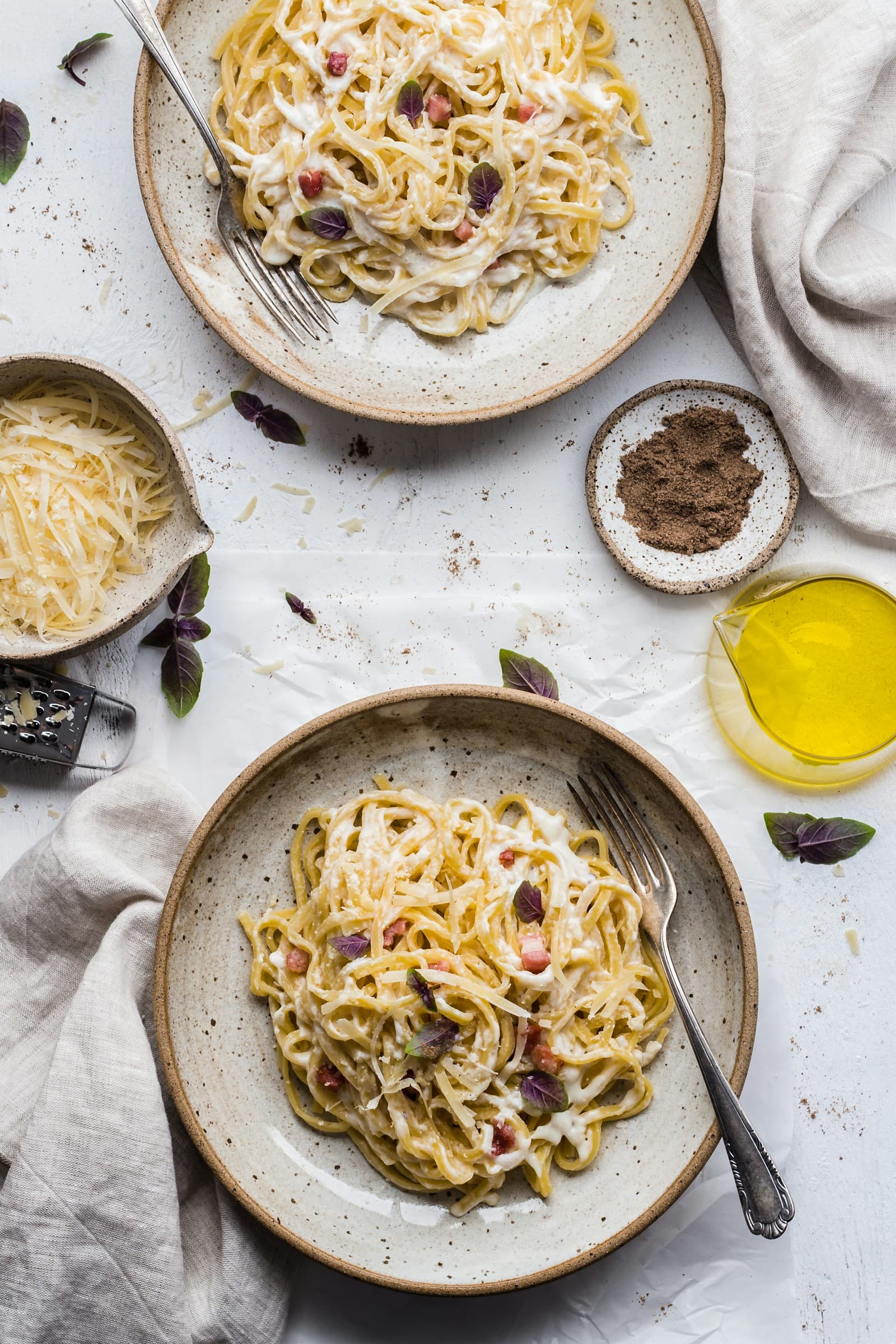
Cooking can change what a photo suggests about portions, oil, water, and sauces, so context helps make a food estimate more useful.
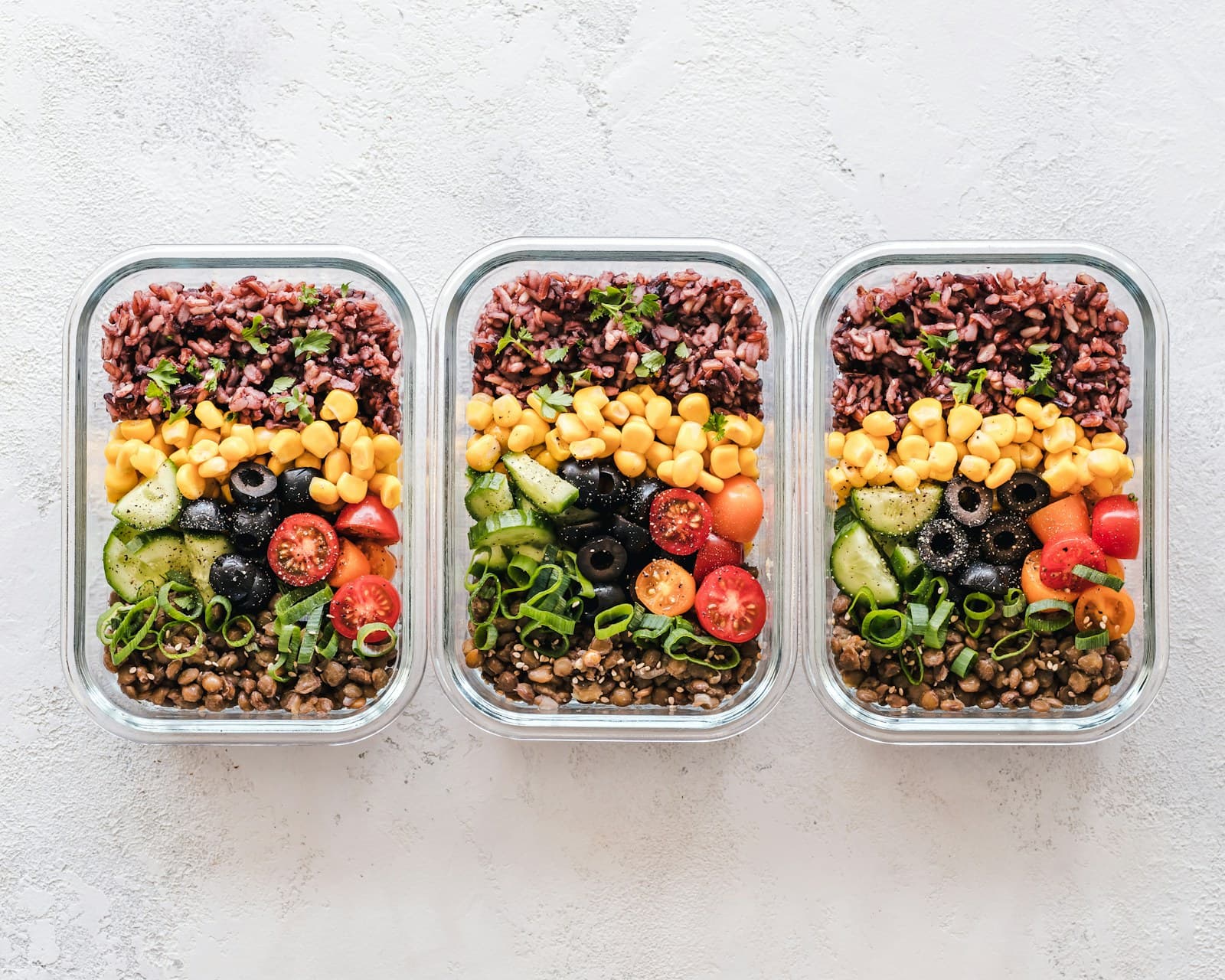
Turn recent meal patterns into a flexible shopping list using food-group variety, real preferences, and editable photo-based estimates.
Learn how protein, carbohydrates, and fat show up in familiar meals, using a flexible plate framework and photo-based estimates with context.
Learn a practical visual process for reviewing mixed-meal portions, using ranges, food-group context, and editable photo estimates.
A food log becomes more useful when it reveals recurring variety, context, and routines instead of turning one meal into a verdict.
Use one flexible ingredient list to shape three weeknight dinners, with simple swaps, shared prep, and room for real-life preferences.
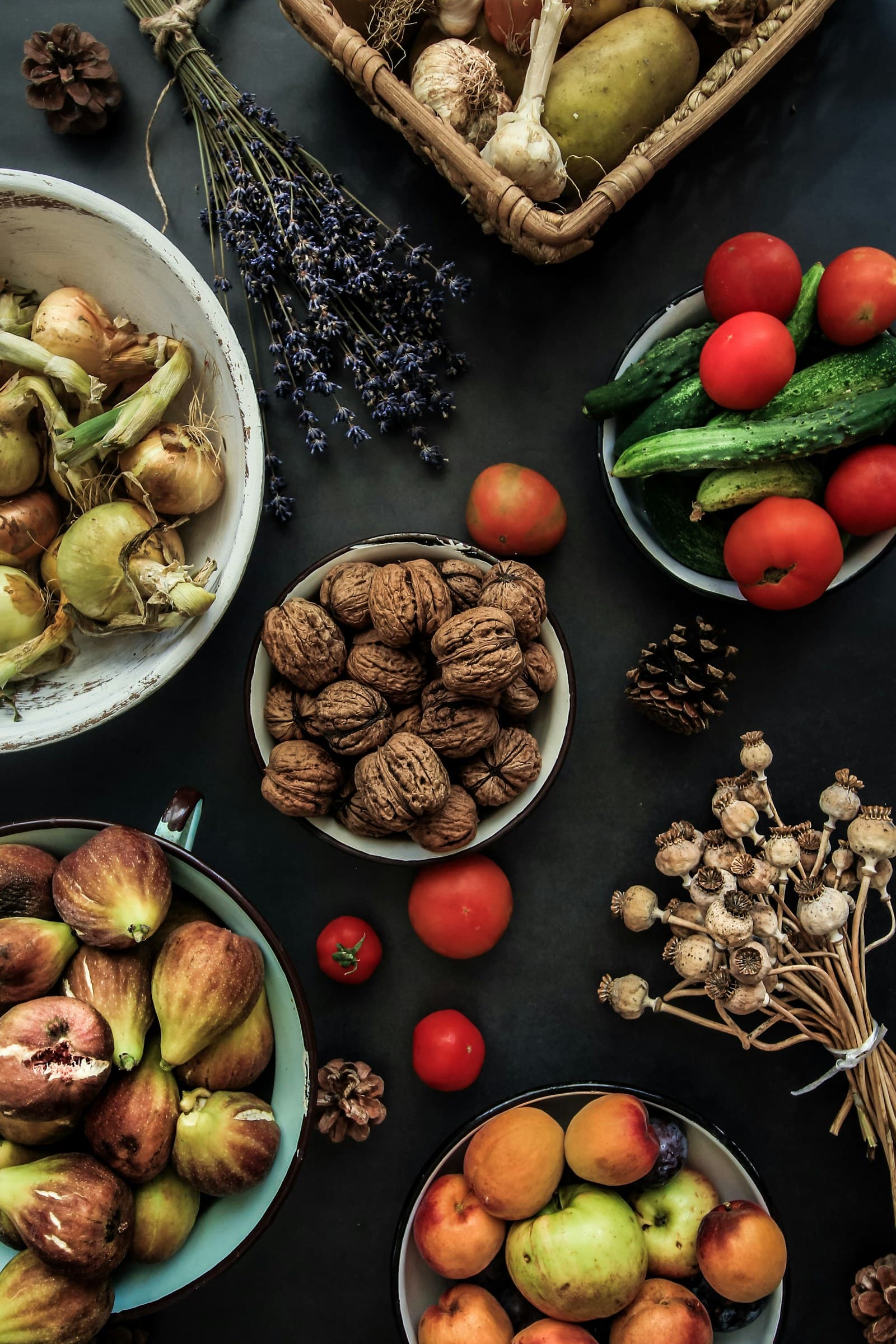
Simple ways to frame, light, and label a meal photo so ingredients and portions are easier to review without implying exact nutrition.
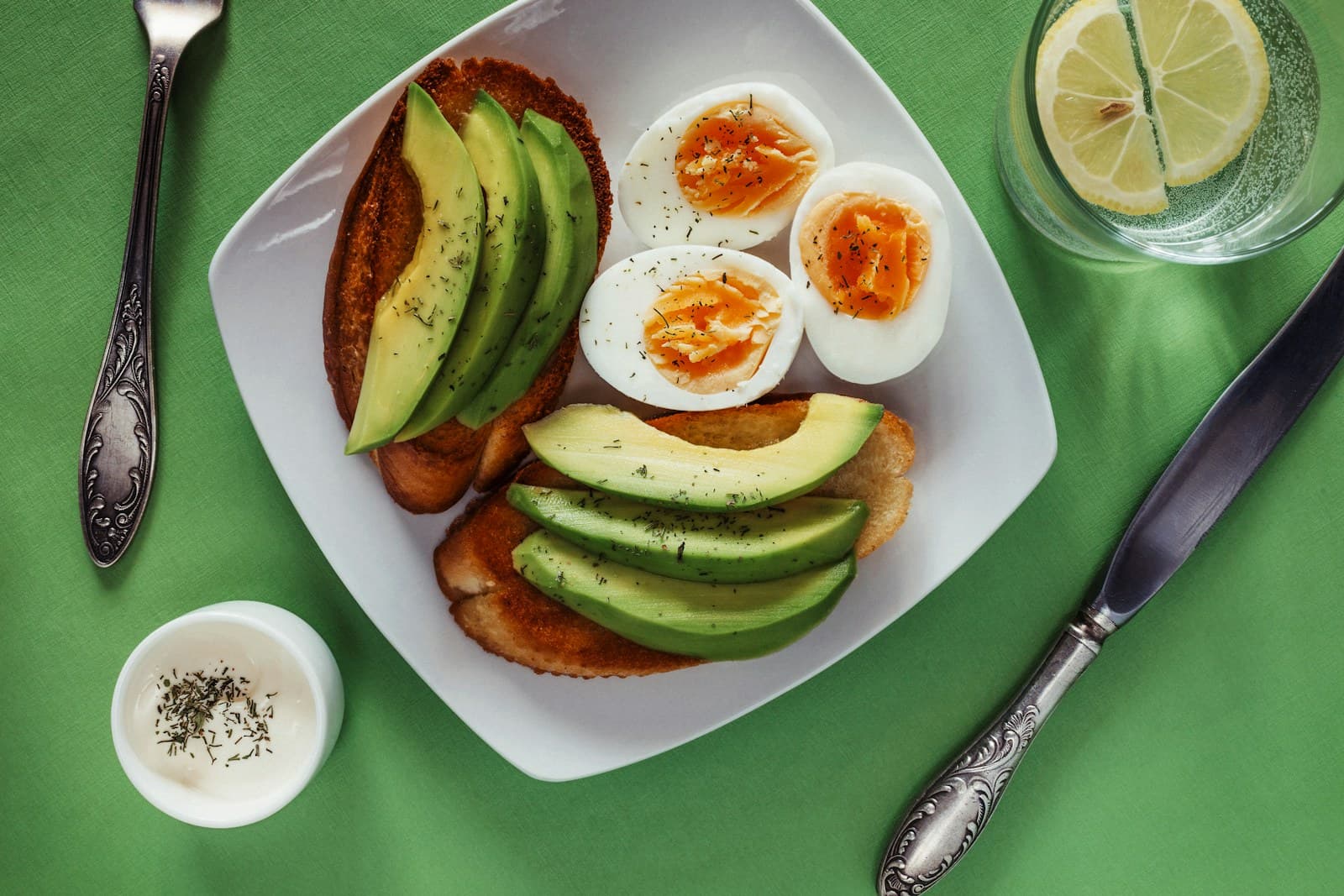
Use macro estimates and flexible food-group context to compare meals descriptively, without sorting foods into good or bad categories.
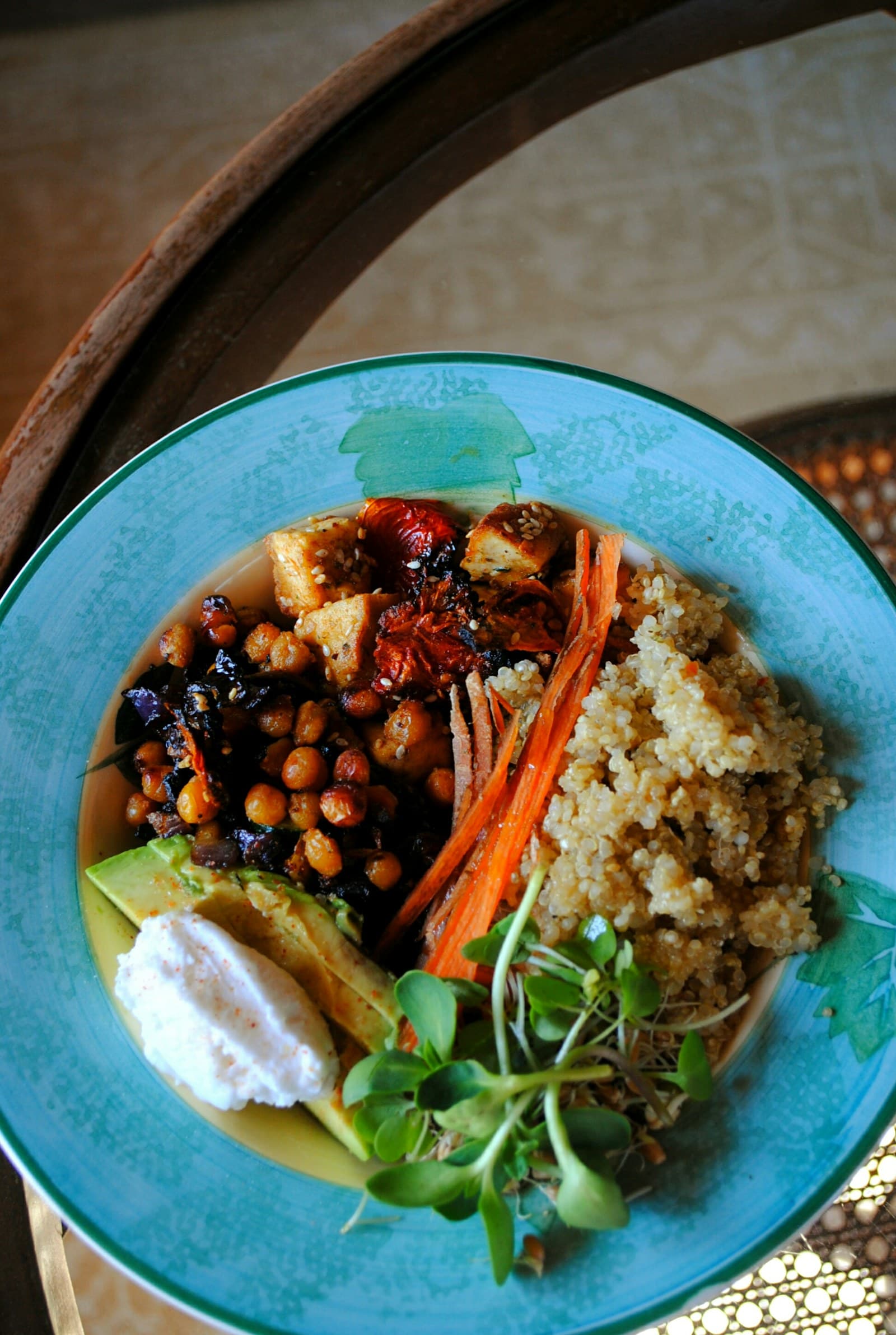
Learn why a calorie range can better reflect photo uncertainty, portion variation, and label context than a single precise-looking number.
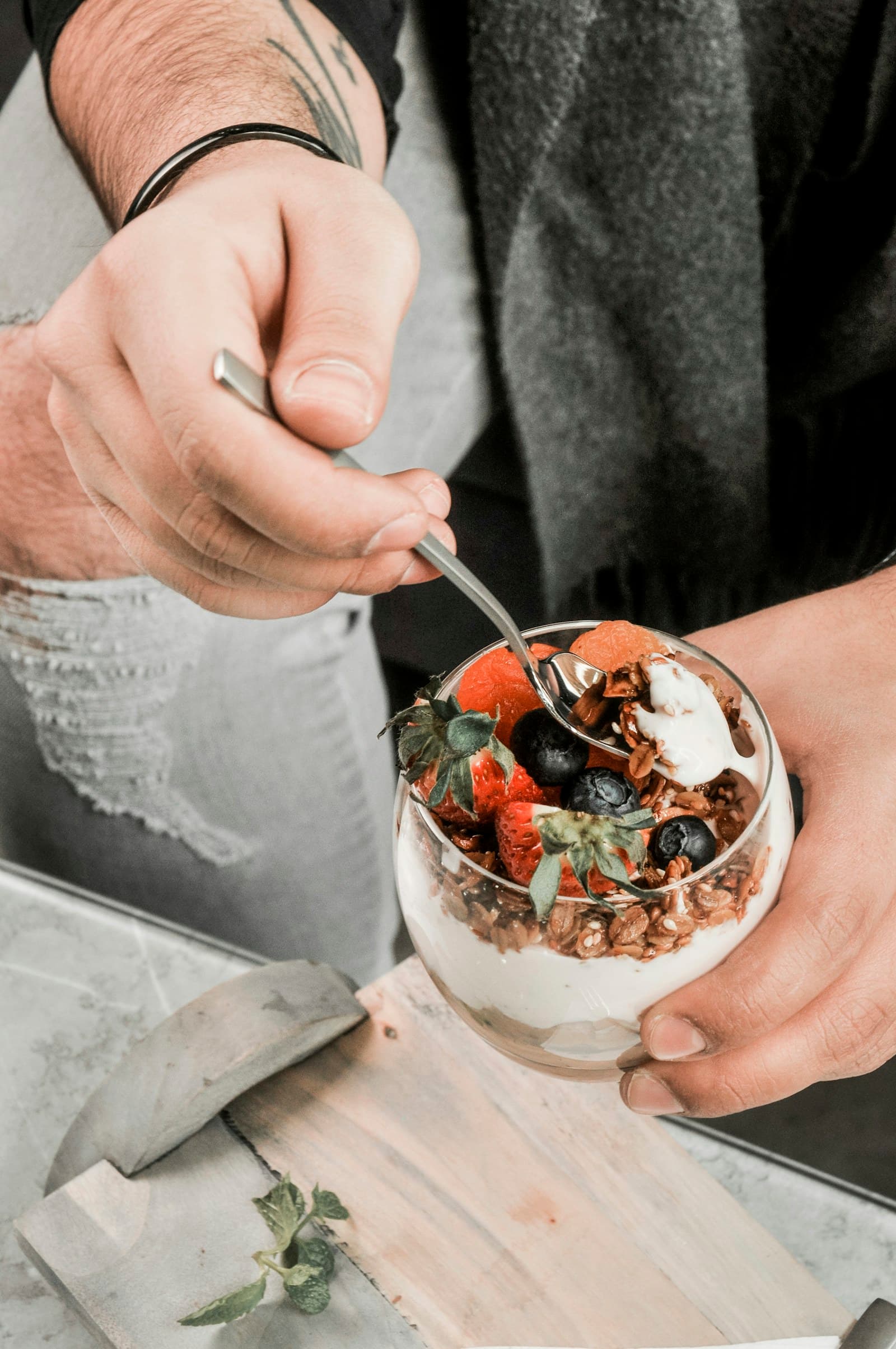
Learn to separate useful food-log patterns from ordinary daily variation, using consistent review windows and flexible, editable estimates.
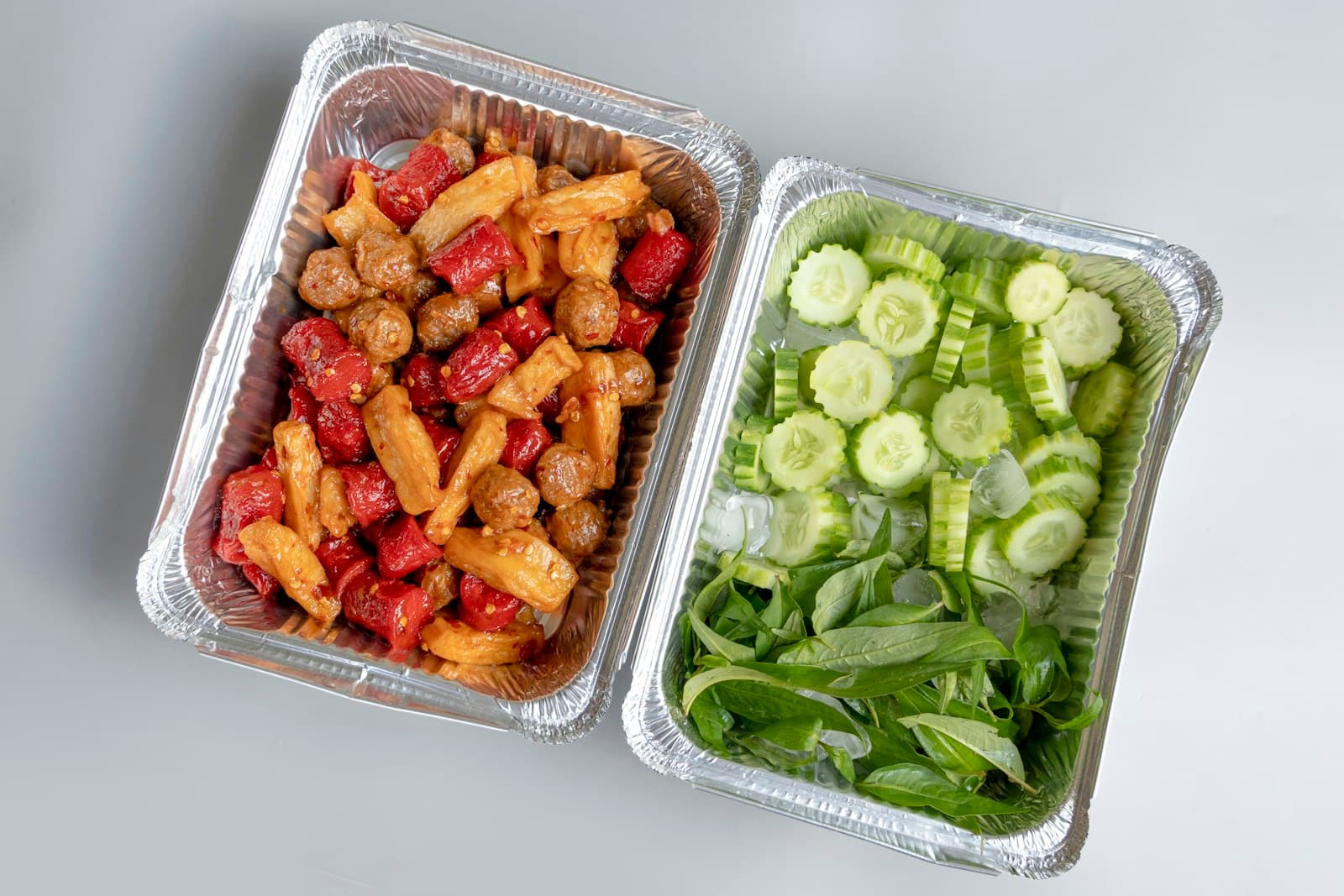
Use this practical checklist to review food-group variety, personal preferences, and photo-based estimates without turning planning into a test.
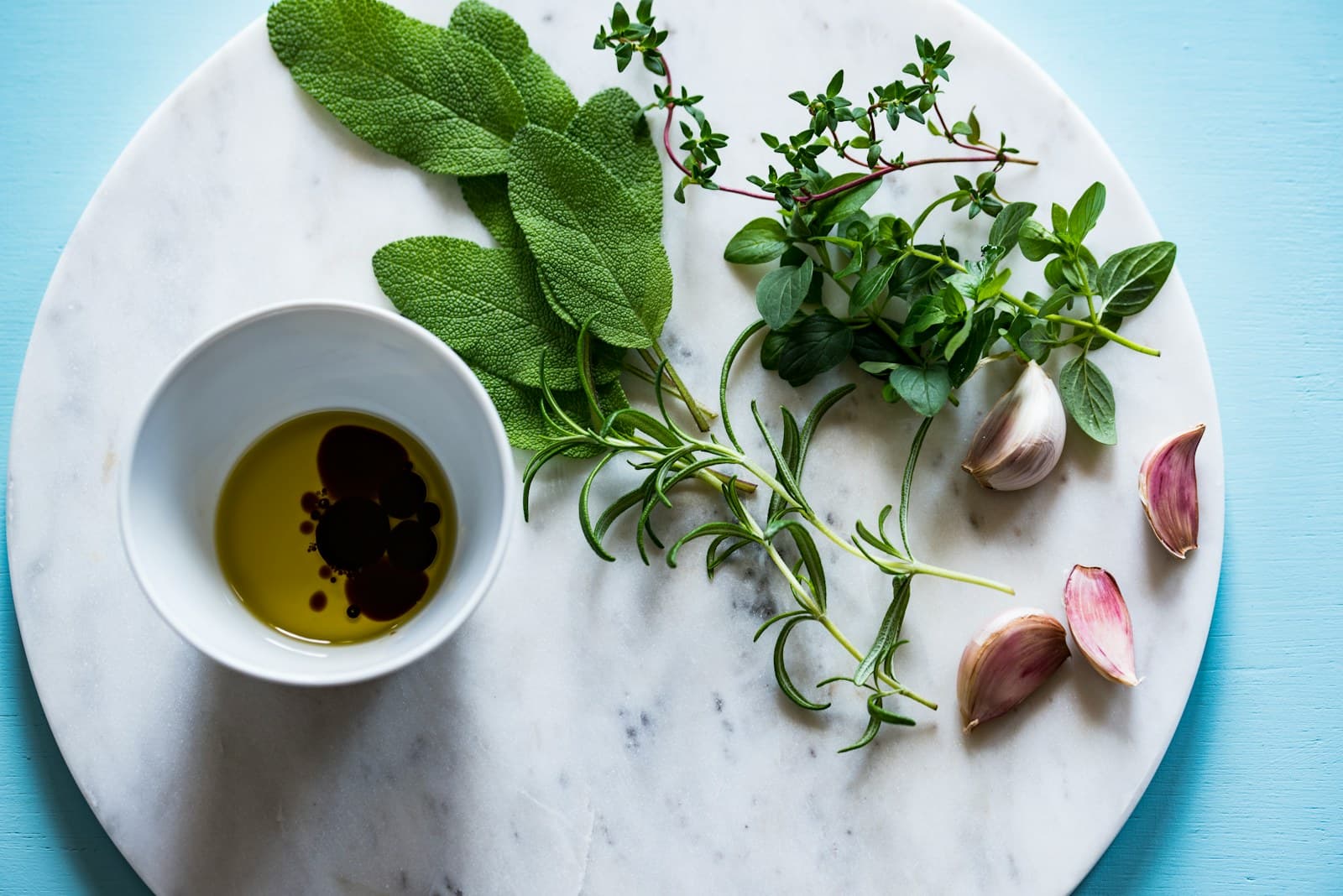
Learn what a food photo can reveal, where visual clues stop, and how to edit portion and ingredient assumptions for a more useful estimate.
Learn how serving size shapes protein, carbohydrate, and fat totals, then use labels to review food-photo estimates with more context.
A practical way to estimate restaurant meals from photos and menus, record uncertainty, and edit portions without pretending the result is exact.