
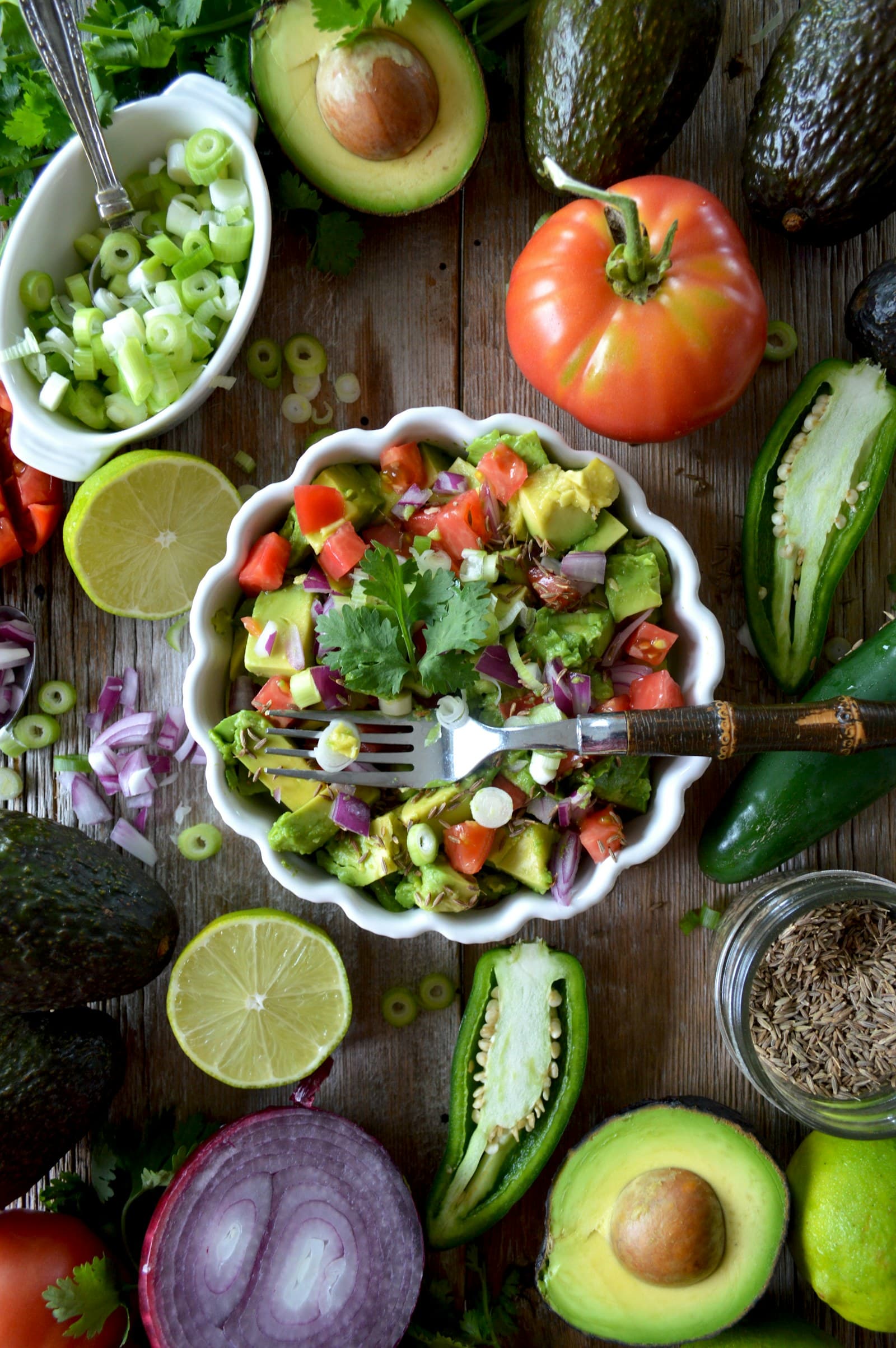
What the camera can notice
A food photo can provide useful visual clues. It may show that a plate contains rice, roasted vegetables, a sandwich, fruit, or a drink. It can also capture arrangement, color, texture, and relative space on the plate. Those clues help create a practical starting point for identifying likely foods and building an estimate.
FoodSnap uses the image to suggest foods, ingredients, portions, calories, and macros, and you can edit those suggestions. The useful question is not whether the image tells the whole story. It is whether the first estimate gives you a workable draft that becomes more representative when you add the details the camera could not see.
Why a visible dish is not a full ingredient list
Many parts of a meal are mixed, covered, or used in small amounts. A salad may include a dressing beneath the leaves. A soup may contain broth, oil, cream, or a thickener that is difficult to distinguish. A sandwich can hide spreads, cheese, or fillings between the bread. A baked item may look simple while containing several ingredients that are not visible in the finished slice.
Preparation also changes what a picture can communicate. The same vegetables may be steamed, sautéed in oil, or roasted with a glaze. A photo usually cannot establish the recipe, brand, fat used for cooking, or amount of a sauce unless you supply that information. When a component matters to your estimate, add it manually or choose the closest available ingredient rather than assuming the image captured every detail.
Portion size is a visual estimate
A camera records appearance, not weight or volume. Perspective can make food near the lens look larger, while a deep bowl can conceal how much sits below the rim. A wide plate may make a serving look modest even when it contains a substantial amount. Food density matters too: two pieces with similar dimensions can have different weights depending on their ingredients and preparation.
Use visible comparisons as clues, not as fixed conversions. The size of the container, a known package amount, or a recipe yield can provide better context. If you know that a bowl held one serving, that a sandwich used two slices of bread, or that a packaged snack was divided into a particular number of pieces, add those details. Otherwise, keep the portion editable and regard the result as a range of reasonable possibilities rather than a single settled value.
How labels and reference data add context
When packaged food is involved, the Nutrition Facts label gives a more specific reference than an image alone. The FDA recommends checking the serving size and the number of servings per container before interpreting the listed calories and nutrients. A photo may show only part of a package or an amount that differs from the label’s serving size, so compare what was actually eaten with those label details.
For foods without a label, USDA FoodData Central provides reference nutrient records. Its values can differ by food entry, brand, recipe, preparation, and portion. That is why a database match should be treated as a reference choice, not a direct reading of the photograph. Selecting a record that resembles the actual food, then adjusting its portion and preparation, usually creates a clearer record than leaving an automatic match unexamined.
A practical review before you save
Start by checking the obvious components: the main food, side dishes, beverages, and visible toppings. Then ask what may be underneath, inside, or used during cooking. Look for details such as dressing on the side, a filled pastry, oil in a pan, a sweetened drink, or a packaged product with a brand-specific label. You do not need to reconstruct a recipe perfectly; you only need to identify the assumptions that could meaningfully change the estimate.
Finally, edit the suggested ingredient or portion when you have better information, and add a note about uncertainty when details remain unknown. If the meal was shared, partially eaten, or photographed before an addition, record that context. A useful photo log preserves what you observed and what you inferred. It does not need to turn an image into a laboratory-style result to support consistent, informed food reflection.
Sources
- USDA FoodData Central — U.S. Department of Agriculture
- How to Understand and Use the Nutrition Facts Label — U.S. Food and Drug Administration
FoodSnap provides editable nutrition estimates. This article is for general educational purposes and is not a substitute for individualized medical or dietary advice from a qualified professional.