
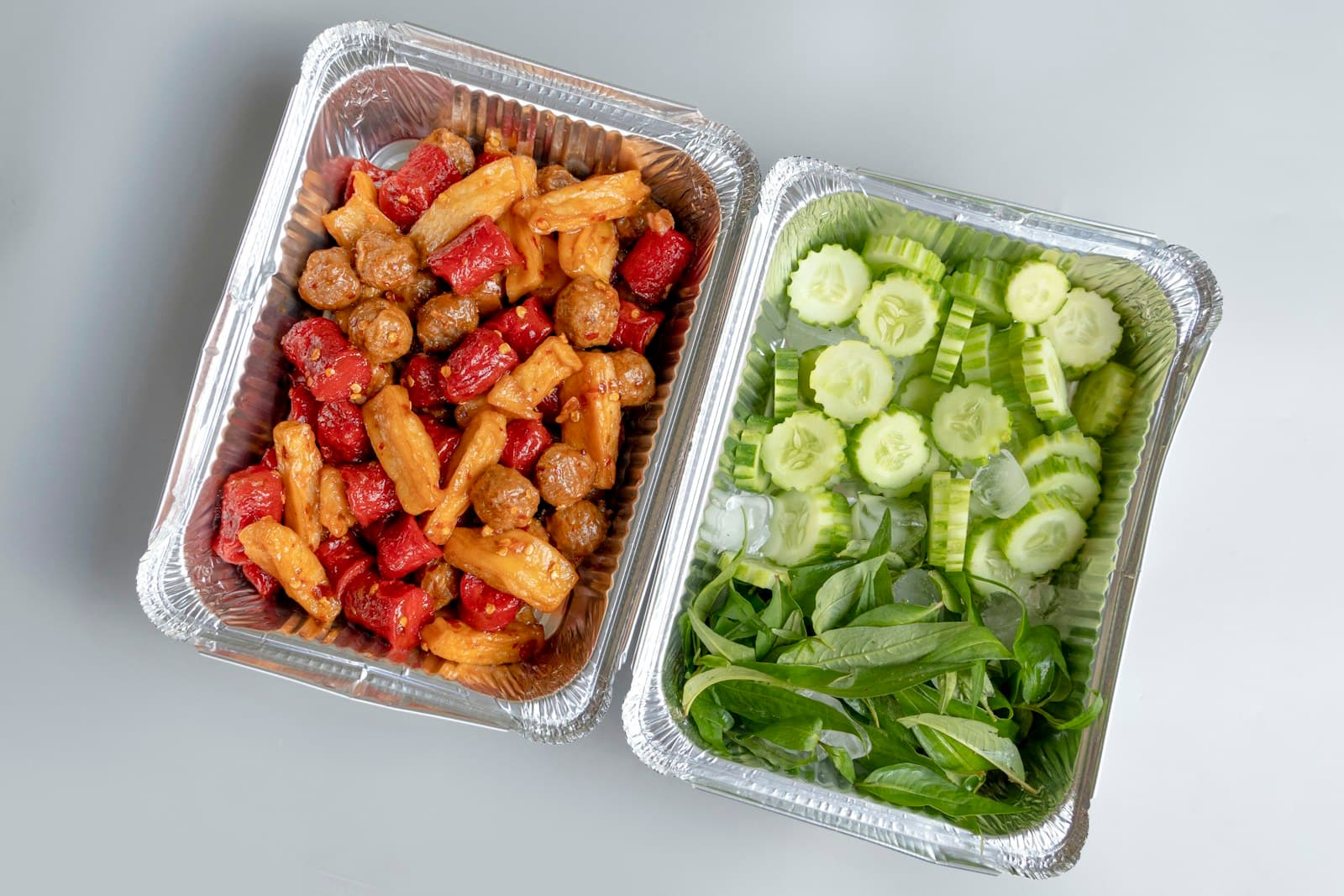
Start with a broad view of the plan
Reviewing a meal plan for variety works best when you step back from any single meal. A breakfast, lunch, or dinner may be simple by design, and repetition can be useful when it saves time. The more useful question is whether the plan, considered across several eating occasions, gives you opportunities to choose from different food groups and foods you actually enjoy.
The USDA MyPlate Plan illustrates food-group planning as a way to organize choices. It is a framework for looking at the overall pattern, not a set of individualized targets for this review. The World Health Organization also describes variety and balance as features of a healthy diet. Together, these ideas support a calm checklist: observe what is present, notice what is repeated, and decide whether any change would make the plan more workable for you.
Check the main food groups
Scan the plan for representation from the MyPlate food groups: fruits, vegetables, grains, protein foods, and dairy. You do not need to force every group into every meal. Instead, mark where each group appears during the period you are reviewing, then note whether the choices are varied within a group or rely on the same item again and again.
A simple review can use five questions: Are there fruits you would genuinely eat? Do vegetables appear in forms you like, such as fresh, frozen, cooked, or included in a mixed dish? Are there grain foods that fit your meals? Do the protein foods match your preferences? Are dairy choices, or suitable options from the foods you normally use, represented in a way that feels realistic? These questions are prompts for observation, not a grading system.
Variety does not require an impressive list of ingredients. One familiar meal can sit alongside a different soup, grain bowl, sandwich, salad, or snack. You can also vary preparation, texture, color, and flavor while keeping the basic ingredients familiar. The point is to widen the plan’s usable choices, not to create novelty for its own sake.
Add your preferences to the checklist
A plan that looks varied on paper may still be a poor fit if it ignores your preferences. Review foods you like, foods you avoid, cultural or household traditions, cooking equipment, shopping access, budget, and the time available on busy days. Also ask whether the plan leaves room for meals shared with other people. These details are part of meal planning, not obstacles to it.
For each meal, label the fit as easy, possible with changes, or unlikely to happen. “Possible with changes” might mean swapping a grain, using a frozen vegetable, choosing a different protein food, or making a smaller batch. This keeps the review practical and avoids treating one fixed menu as the only route to variety.
You can also check sensory variety. Would the plan feel repetitive in texture or flavor? Are there enough familiar options for days when cooking feels difficult? Are the suggested foods available where you shop? A neutral review makes room for convenience foods, leftovers, and simple combinations when they help the plan match real life.
Use photo estimates as planning clues
FoodSnap can help you review a photographed meal by providing editable estimates for calories, macros, ingredients, and portions. A photo may support a useful conversation about what appears in the meal, but it cannot reliably reveal every ingredient, cooking method, or amount. Treat the result as a starting point for organizing your notes, not as a final account of what the meal contains.
When reviewing a plan, edit the estimate if you know that a portion was larger, a sauce was added, or an ingredient was left out. If you are unsure, keep the uncertainty visible in your notes. The purpose is to make the plan easier to understand and adjust, not to create a false sense of precision.
For variety, the ingredient view may be more helpful than focusing only on the calorie total. Compare the foods and food groups appearing across the plan. If a photo is unclear, write a brief description of the meal and use that description for your review. This keeps attention on choices and patterns rather than on a number that may change with better information.
Choose one low-pressure adjustment
After the scan, select one change that would make the plan more varied or more usable. You might rotate one fruit, add a different vegetable preparation, switch a grain, alternate protein foods, or keep two breakfast options instead of one. You might also decide that the current level of repetition is helpful and leave the plan as it is. A review does not have to end with a revision.
Write the adjustment as an option rather than a rule: “Try a different grain on one day,” or “Keep a convenient vegetable available for two meals.” This wording preserves flexibility when schedules, appetite, shopping, or shared meals change.
Revisit the checklist after you have used the plan for a while. Note what was easy to follow, what was skipped, and which substitutions worked. The result is a clearer picture of your preferences and routines. Variety is easier to sustain when it is built from choices that fit your life, rather than from a standard that demands constant change.
Sources
- MyPlate Plan — USDA MyPlate
- Healthy diet — World Health Organization
FoodSnap provides editable nutrition estimates. This article is for general educational purposes and is not a substitute for individualized medical or dietary advice from a qualified professional.