
Food literacy5 min read
The Difference Between App Estimates and Lab Measurements
Learn how food scanning estimates differ from lab-tested nutrition values, and how each can support self-guided food tracking.
FoodSnap Learn
Clear guides for reading estimates, understanding macros, and planning meals. Visible sources, important context, and no magic promises.
Learn how food scanning estimates differ from lab-tested nutrition values, and how each can support self-guided food tracking.
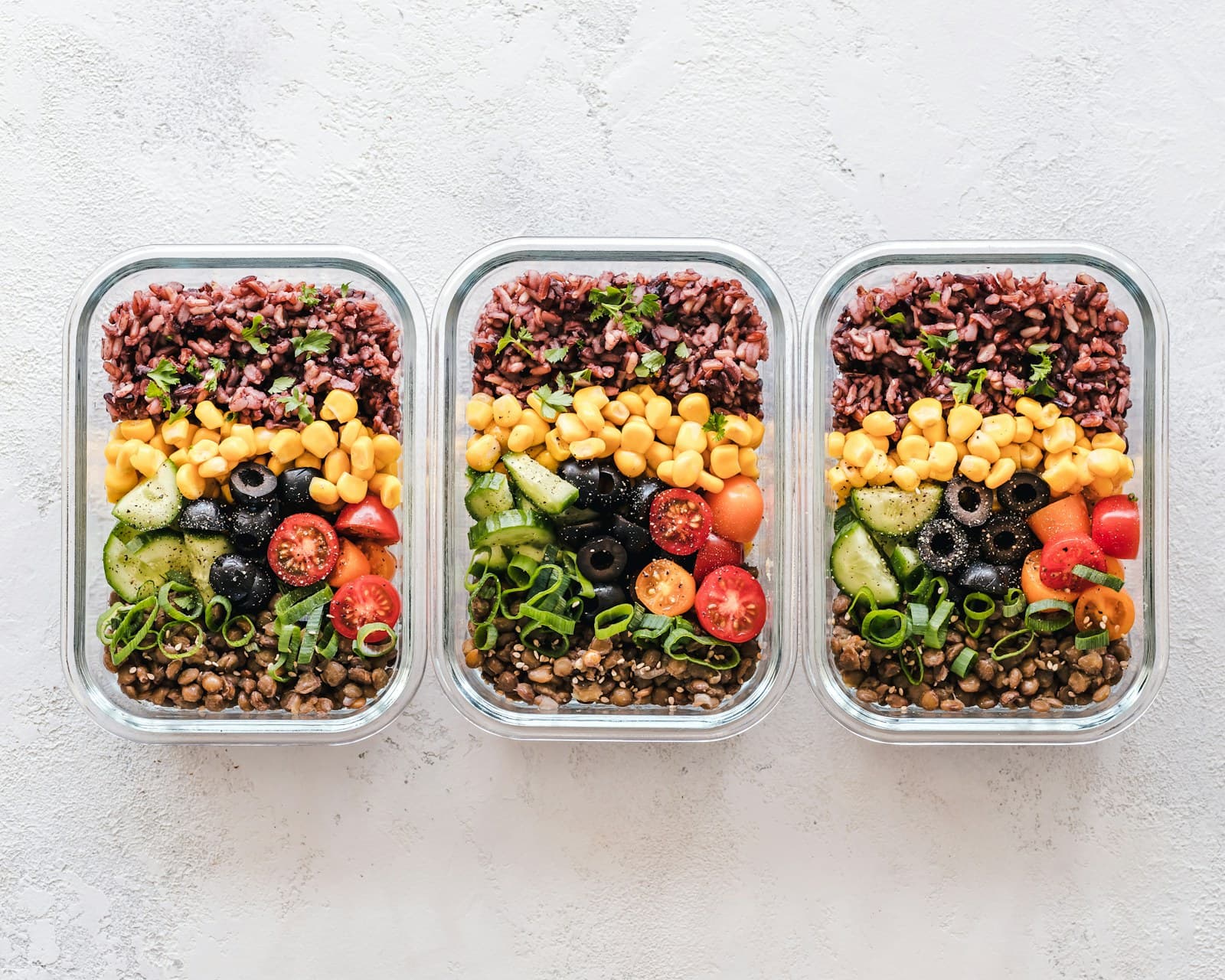
A pantry-first meal planning workflow helps reduce waste and encourages balanced, variety-rich meals using foods you have.
Short notes, portion edits, and consistent meal photos help create a useful, flexible photo food diary with more meaningful insights.
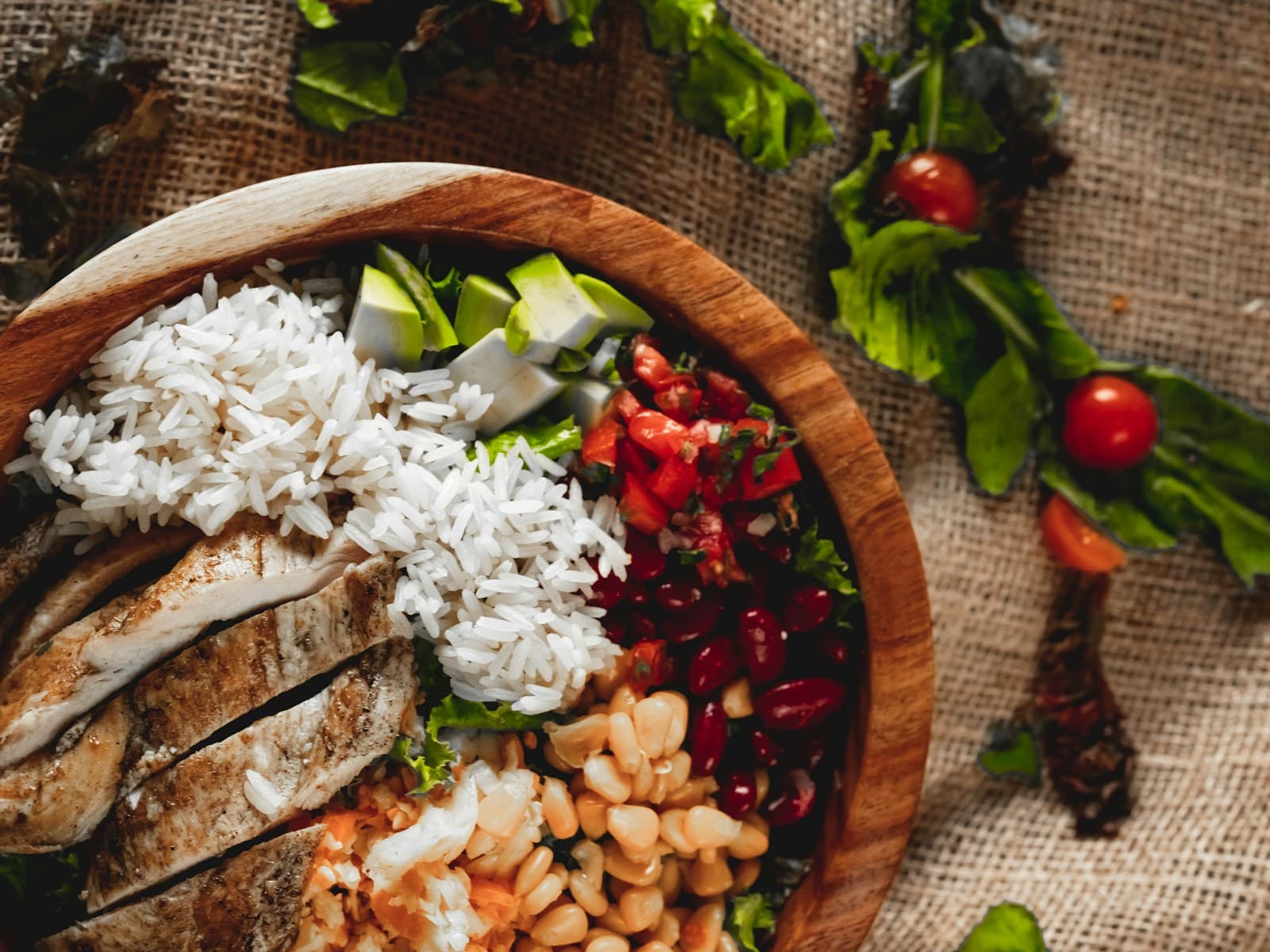
Explore flexible approaches to observing macro patterns and how food logs help identify trends beyond strict ratios or set rules.
Discover how two similar-looking meals can differ nutritionally based on ingredients, cooking methods, and portion size choices.
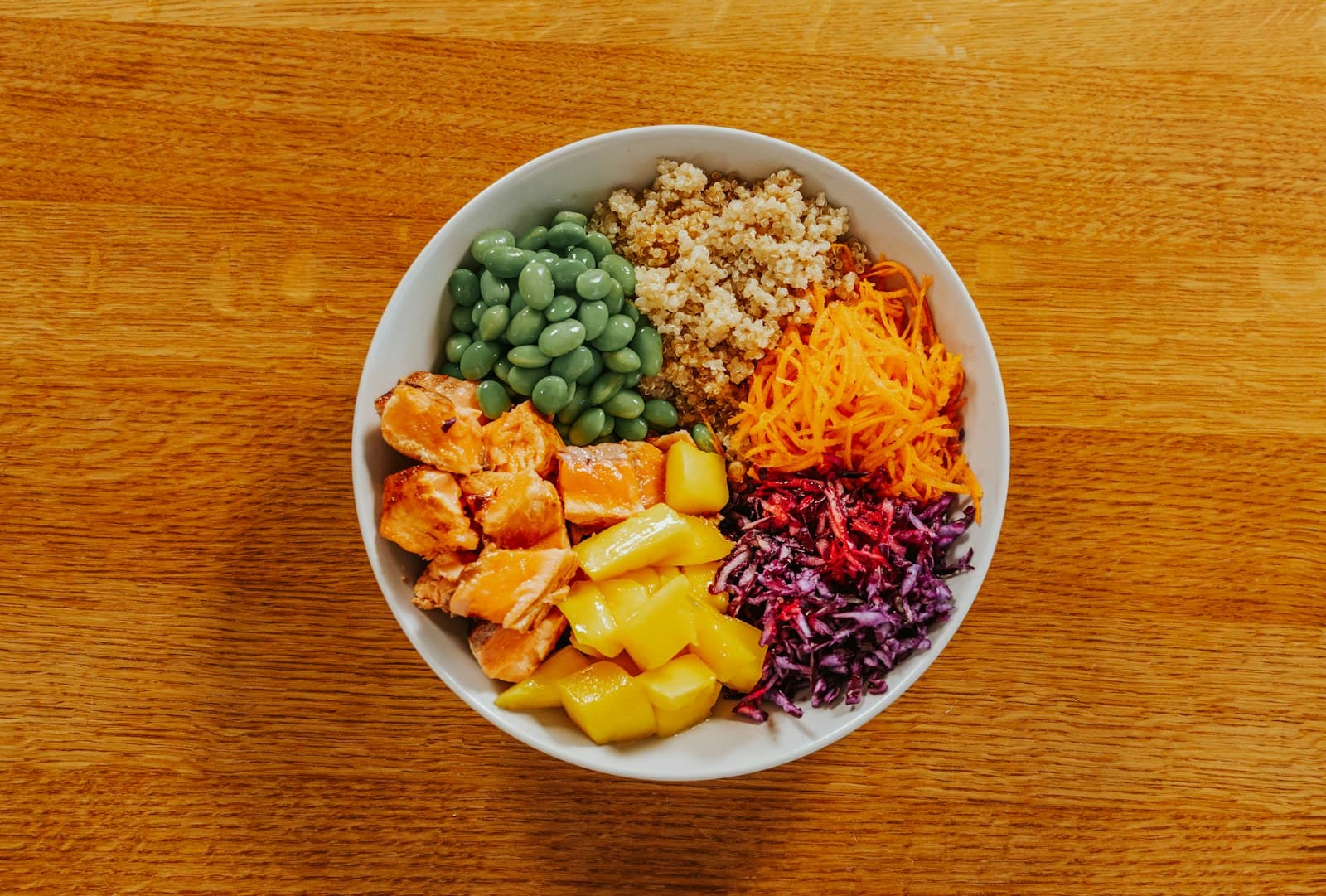
Editing portion sizes in your food log updates macro estimates, aligning nutrient totals with your actual intake each time.
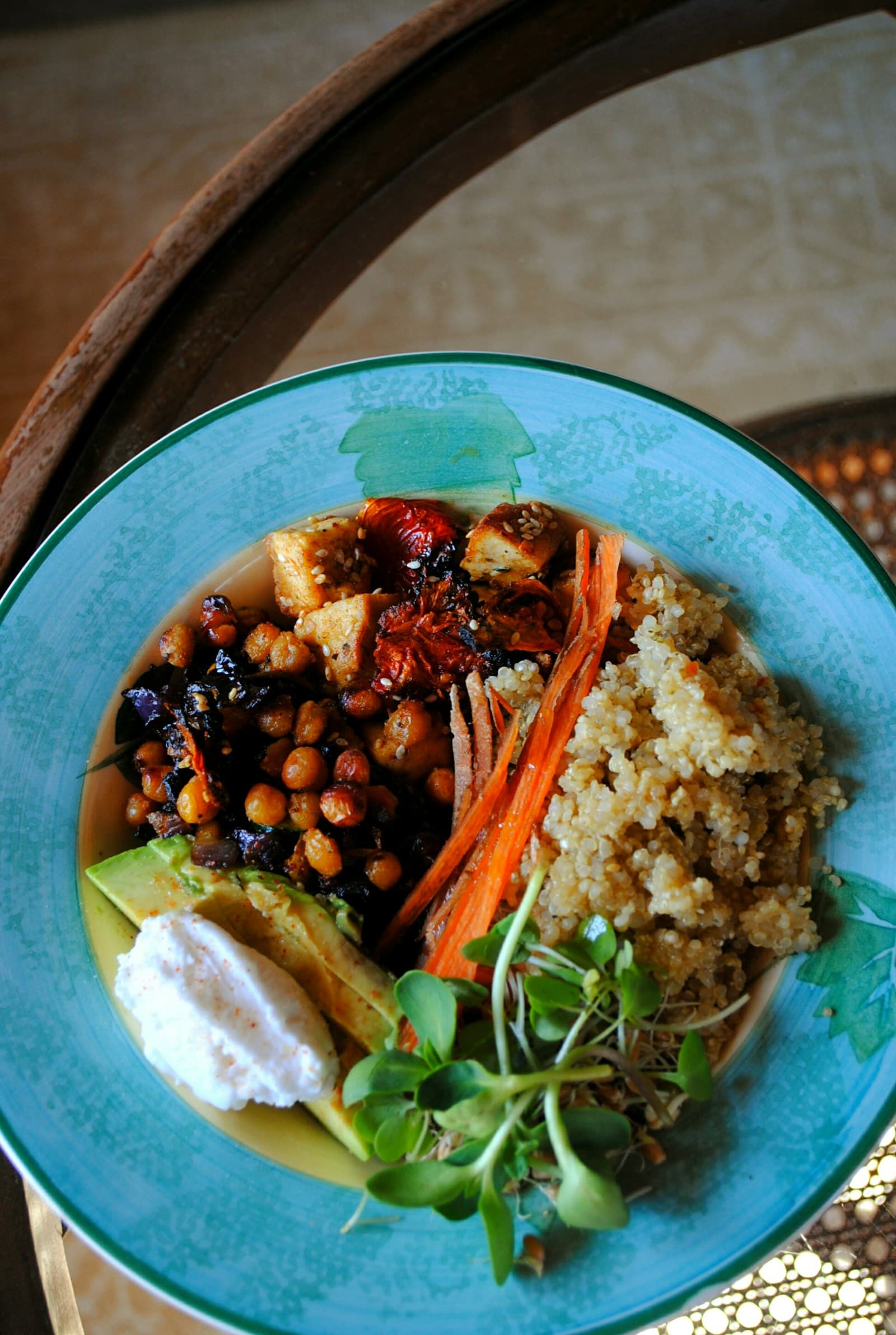
Learn how calorie density influences the amount of energy in foods and how this concept fits into balanced eating patterns.
Carefully review each step in the AI photo calorie estimate checklist to ensure your log entry reflects your actual meal and portion.
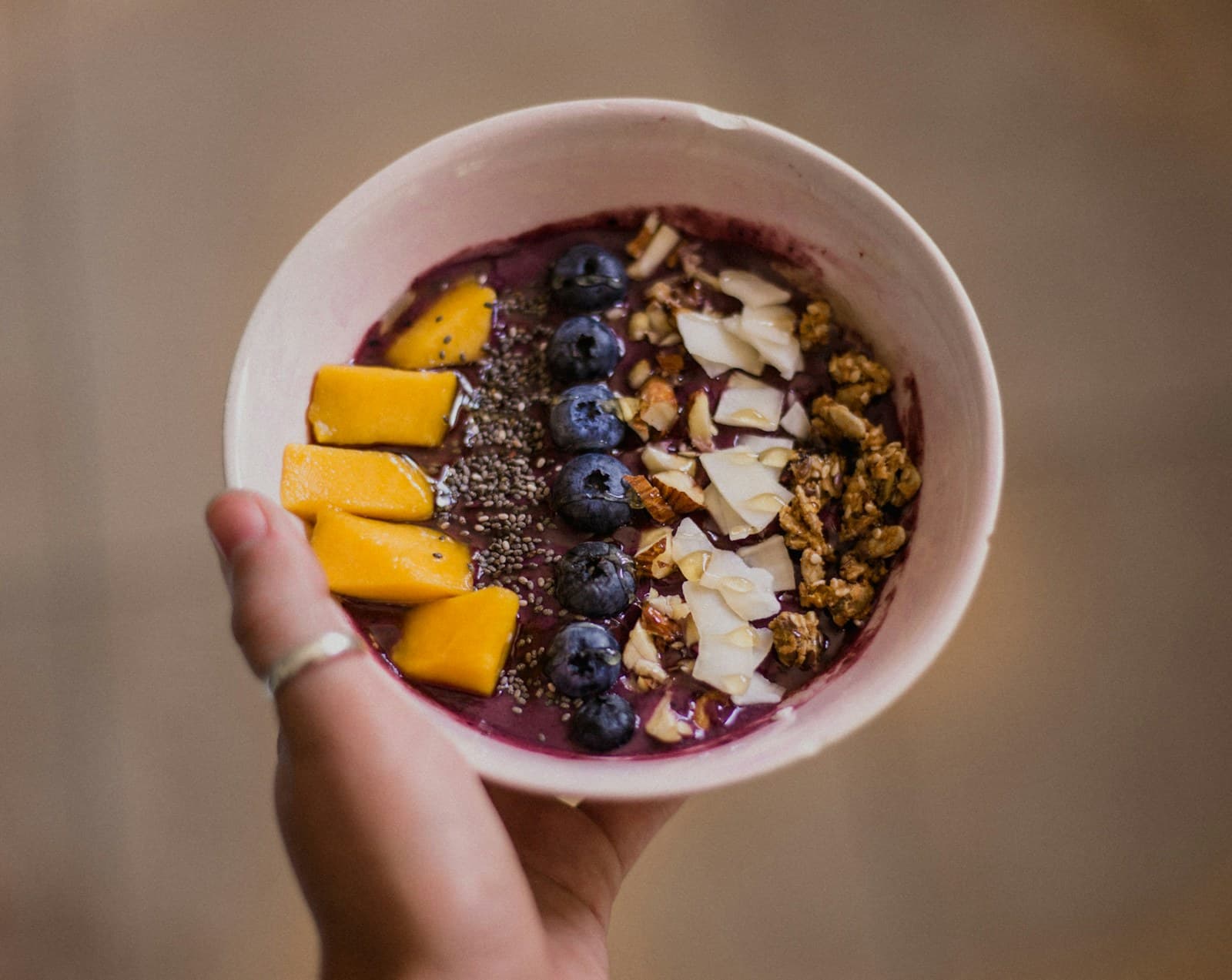
Learn practical ways to keep your food log genuinely useful without stressing over missing, skipped, or approximate meals.
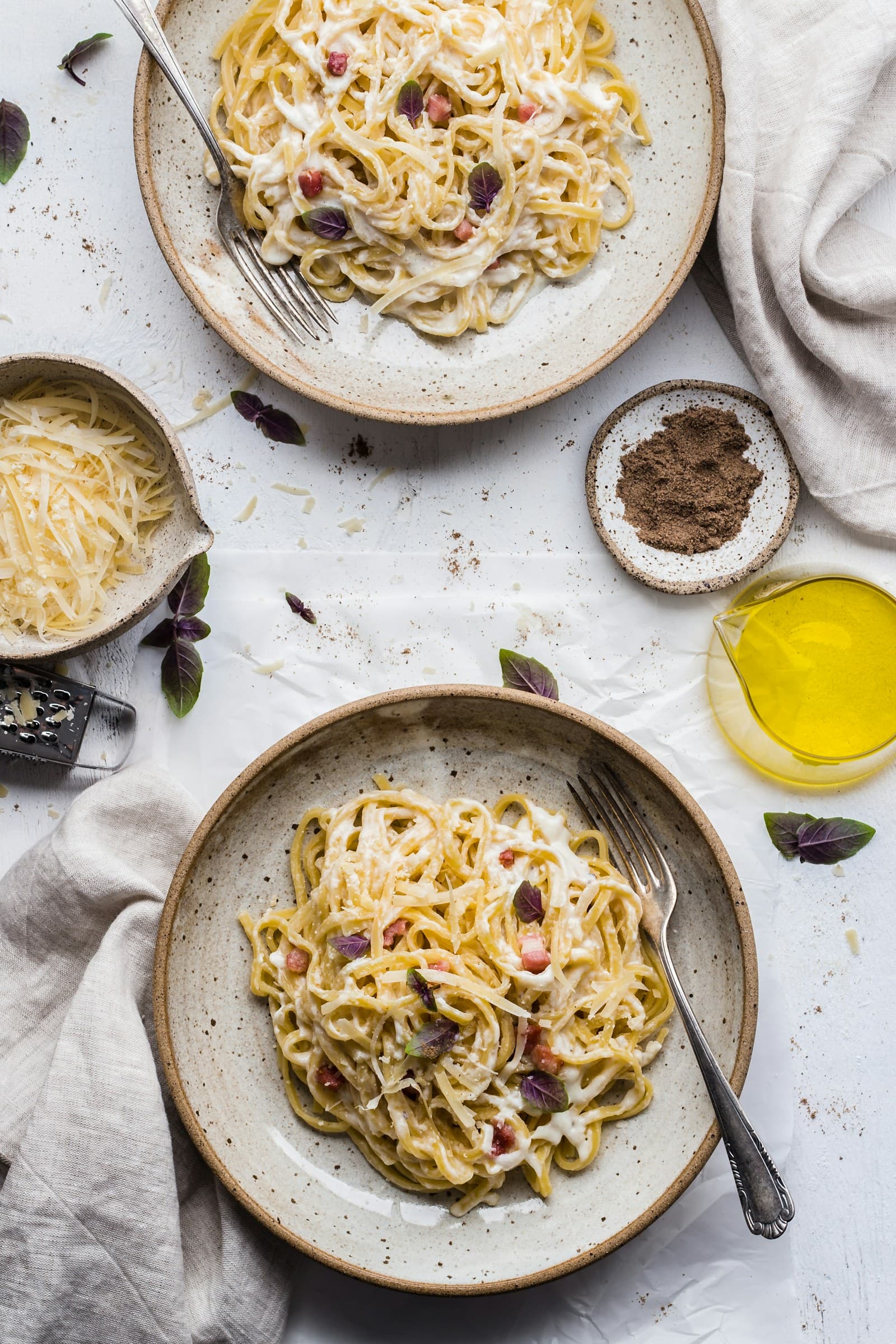
Understand how toppings, sauces, and dressings affect meal calorie estimates and learn calm, practical ways to log them accurately.

This article shares how to review your weekly food patterns neutrally and identify simple next steps without guilt or judgment.
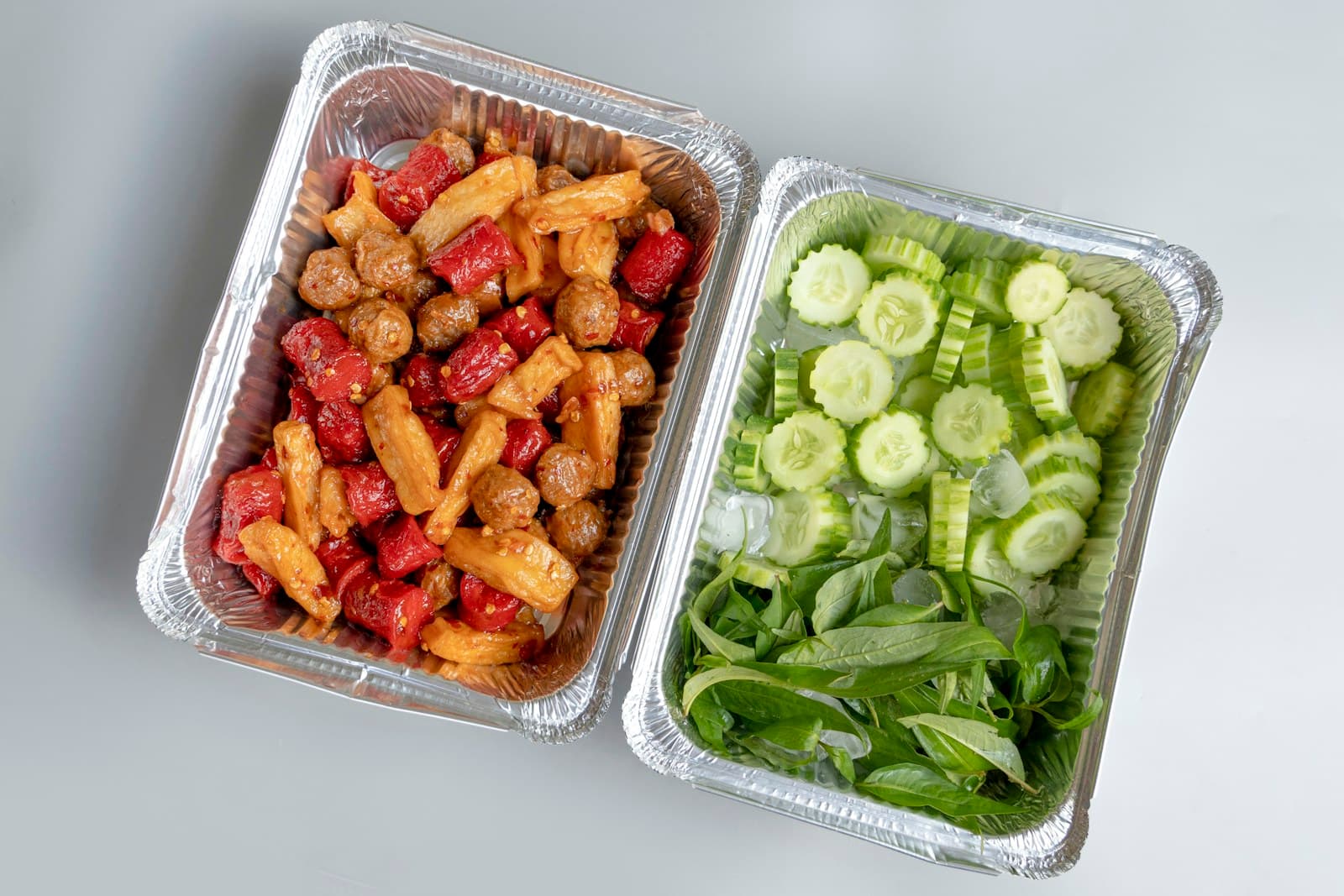
Discover a practical plate-building template that emphasizes food group variety and allows flexible meal planning without calorie counts.
Learn how adjusting an ingredient, portion, or meal name in your food log can improve the accuracy and usefulness of your records.
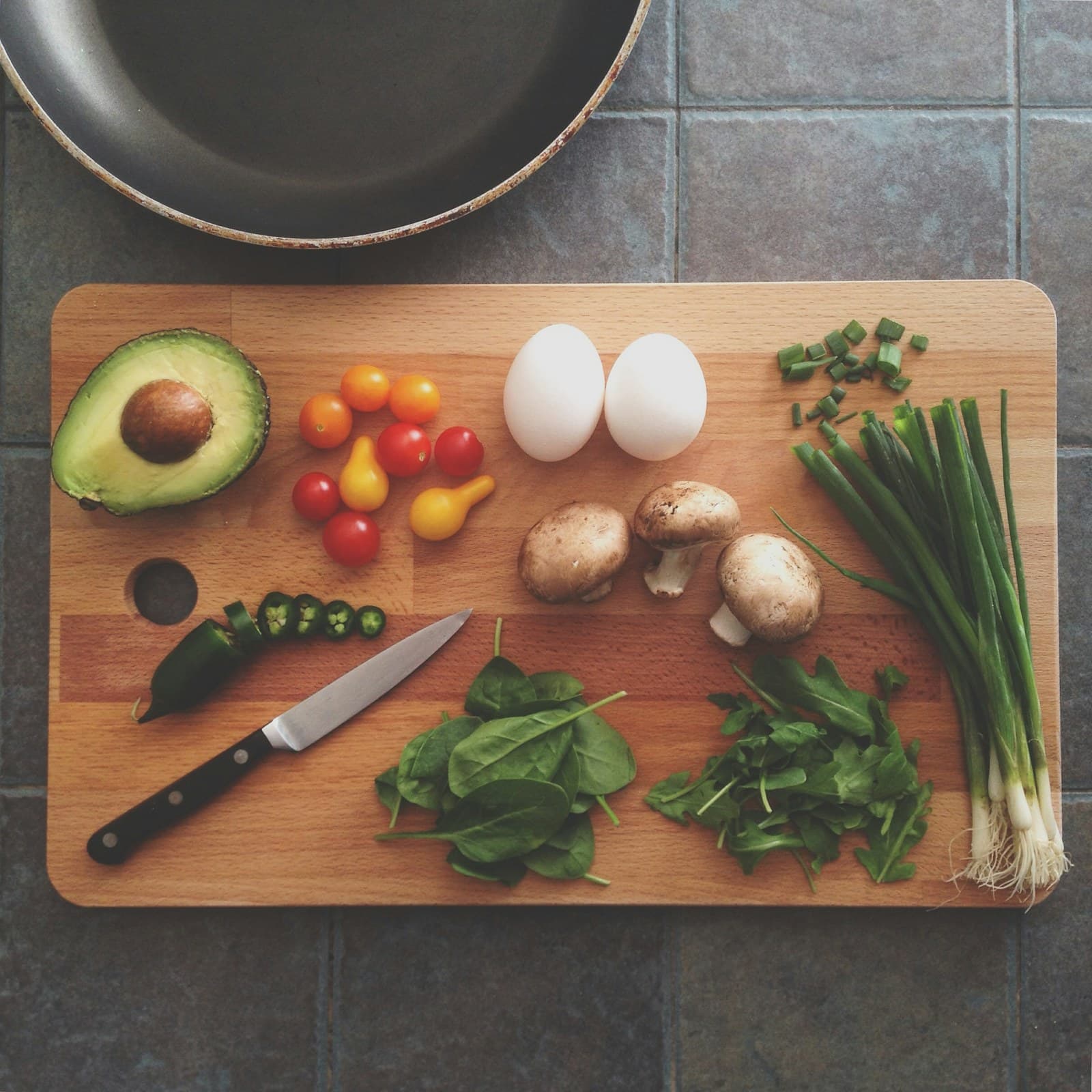
Explore how to prep leftovers, plan balanced lunches, and track your meals without duplicating records or missing details.
Reviewing and correcting AI-identified ingredients before saving a food scan ensures closer alignment with what you actually eat.
Serving sizes on food labels differ from personal plate portions, and understanding both helps with mindful meal decisions.
Discover what influences carbohydrate estimates in meals featuring rice, pasta, bread, legumes, sauces, and changing portions.
Use USDA FoodData Central to compare common food entries, check a nutrition estimate, and understand the database’s practical limits.