
Why Rice, Pasta, and Bread Are Key Carbohydrate Sources
Staple foods like rice, pasta, and bread often form the base of many meals and contribute a significant portion of the carbohydrate content. According to USDA FoodData Central, the carbohydrate amount in these staples depends on their type, preparation style, and serving size. For example, white rice typically has a higher carbohydrate estimate per portion than brown rice or whole grains. Pasta, whether refined or whole wheat, also varies in carbohydrate values, and bread types—from baguettes to whole wheat or gluten-free—offer different carbohydrate contributions per slice or piece.
Understanding which staple is present in a mixed dish is crucial for estimating carbohydrates, as preparations can alter the typical values. Cooking methods, such as boiling or baking, affect water content and the resulting serving size. The FDA recommends checking serving sizes on nutrition labels to compare estimates accurately. In a plate combining rice with bread or pasta, each portion’s carbohydrate estimate changes with the specific ingredients and how much is served. All these factors help you interpret carbohydrate estimates in a meal snapshot.
Legumes: A Dual Role in Protein and Carbohydrates
Legumes are often added to mixed dishes for their versatility, flavor, and nutrition profile. Beans, lentils, chickpeas, and peas not only deliver plant-based protein but also contribute substantial carbohydrate estimates. According to USDA FoodData Central, legumes usually supply more carbohydrates per cup than many animal-based proteins, although the specifics vary by variety and cooking method. Chili, curries, soups, and stews containing legumes may pair them with rice, bread, or pasta, resulting in layered carbohydrate sources that add up in a meal estimate.
When legumes are combined with other carbohydrate-rich ingredients, the total carbohydrate estimate needs to account for each component. Legumes also contain dietary fiber, a carbohydrate not fully digested by the body, which is listed separately on nutrition labels by the FDA. Including legumes in mixed dishes increases both the carbohydrate and fiber estimates, so knowing their portion and how they interact with other ingredients can help you better interpret the carbohydrate content in what you’re eating.
Sauces and Mixed Ingredients Add Hidden Carbohydrates
Sauces, dressings, and additional ingredients in mixed dishes can introduce carbohydrates that are less obvious than those from staples or legumes. For example, tomato-based sauces, dairy sauces, or soy-based glazes may contain sugar, flour, starches, or other carbohydrate-rich thickeners. USDA FoodData Central shows considerable variation in the carbohydrate content of prepared sauces, so identifying what kind and how much is included can change the overall estimate.
Beyond visible sauces, ingredients like cooked vegetables or garnishes also contribute carbohydrates. Even a small addition of peas, carrots, or sweet corn can shift a meal's carbohydrate profile. The FDA nutrition label emphasizes checking the ingredient list to see potential carbohydrate sources. When estimating carbohydrates in a mixed plate, considering all sauces and add-ons—whether homemade or commercial—ensures that the estimate reflects both prominent and hidden sources of carbohydrates.
Portion Size: The Factor that Makes Estimates Personal
Portion size is often the most variable—and influential—factor in estimating carbohydrates in a mixed meal. The USDA notes that nutrient values in FoodData Central are reference points that shift with the actual portion served. The FDA recommends carefully checking the serving size as labeled and comparing it to how much is actually consumed. Simply doubling or halving a portion will proportionally change the carbohydrate estimate for that meal.
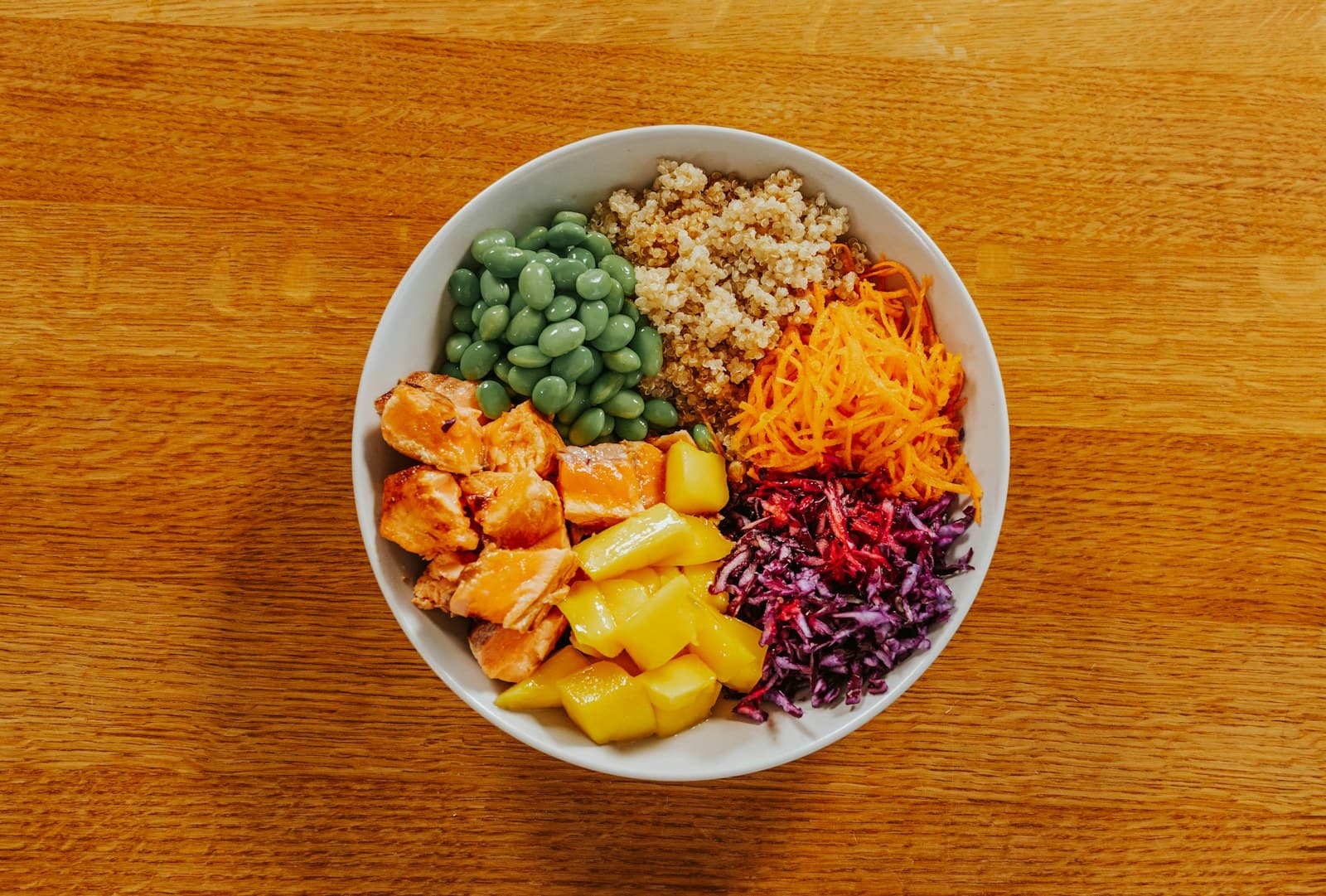
Different restaurants, homes, or recipes rarely serve identical portions, so a photographed plate’s carbohydrate estimate depends on the visible size and quantity of each component. For layered dishes like stir-fries, pasta salads, or rice bowls, dividing the plate into servings and visually assessing how much of each item is present can help make the carbohydrate estimate more relevant to the meal you’re actually eating. This attention to portion is essential for anyone looking to use food estimates as a practical part of meal tracking.
Sources
- USDA FoodData Central — U.S. Department of Agriculture
- How to Understand and Use the Nutrition Facts Label — U.S. Food and Drug Administration
FoodSnap provides editable nutrition estimates. This article is for general educational purposes and is not a substitute for individualized medical or dietary advice from a qualified professional.