
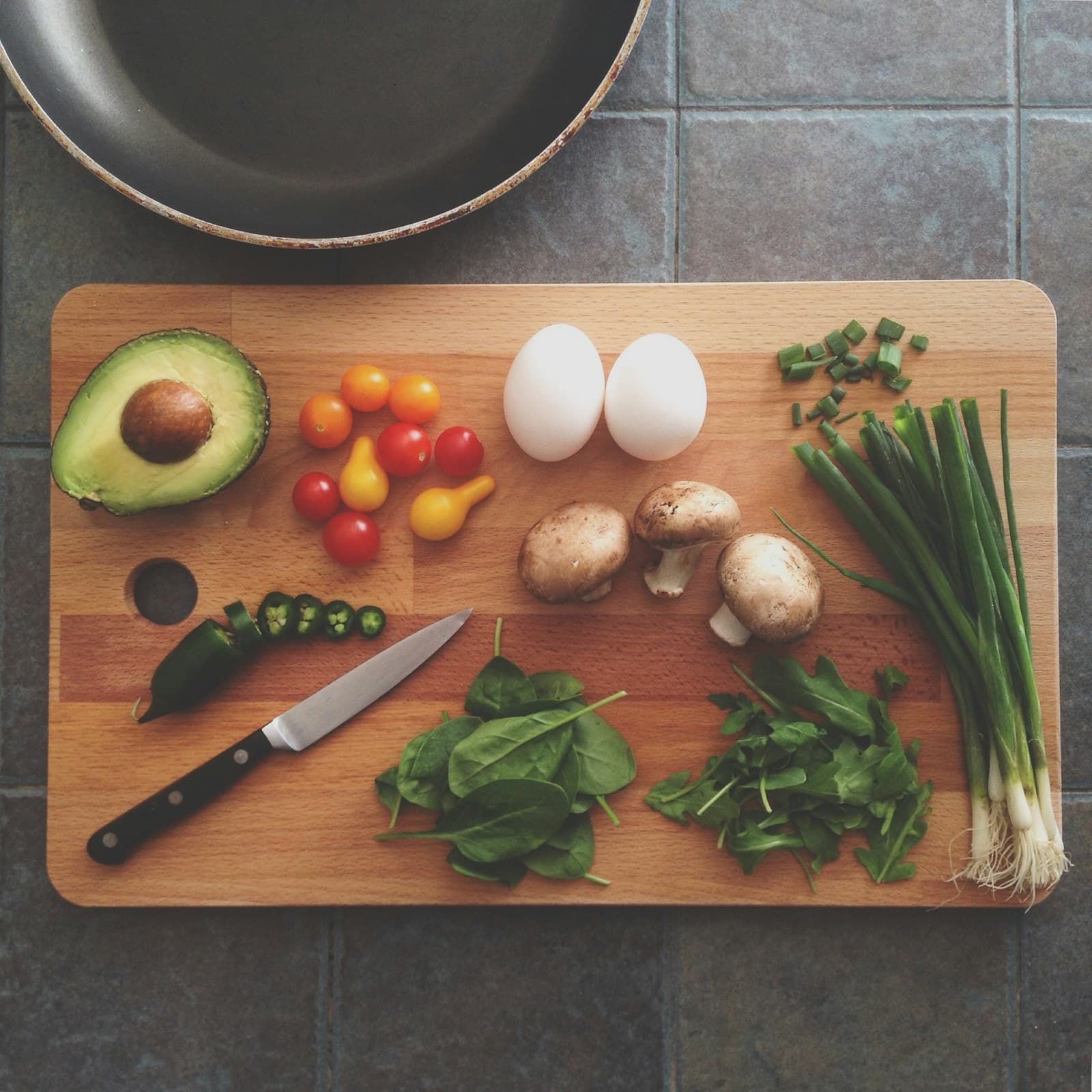
Start Lunch Planning With Intentional Leftovers
Intentional leftover planning can help you save both time and food, turning dinner into tomorrow’s lunch without much extra effort. By making a little more than needed at dinner and storing portions separately, you can have a convenient lunch ready to pack or reheat. This strategy works best when you choose dishes that reheat well, such as roasted vegetables, grains, or protein-rich foods. You can also pre-cook versatile ingredients like grilled chicken or sautéed beans, which can be added to a variety of lunch options. Planning in advance helps ensure you have balanced meals and reduces the temptation to rely on less varied options when rushed.
When preparing for lunch the next day, consider how to balance food groups based on general guidance from the USDA MyPlate and World Health Organization. Leftovers can be combined with fresh produce, whole grains, or lean proteins to create nutrient-rich plates. For example, yesterday’s roasted vegetables can be tossed with leafy greens and whole grains for a simple lunch salad. Keeping the leftovers visible in clear containers makes it easy to identify what’s available, promoting variety and balance in your daily lunch routine without requiring precise meal-by-meal tracking.
Avoid Duplicate Logs When Tracking Leftover Portions
Food logging tools like FoodSnap estimate calories, macros, and ingredients from meal photos, which can simplify recording leftovers. However, logging leftovers requires careful portion tracking to avoid double-counting entries. If you originally log a dinner that includes extra portions intended for lunch, make sure you only record the portion you consume at each meal. Consider labeling or separating the leftovers in storage, so the portion size and ingredients are clear when taking tomorrow’s photo and logging it. This helps keeps your food history accurate and avoids confusion from repeating meal entries.
When you eat a leftover lunch, use the app’s editing features to specify the exact foods and portions from that meal, rather than duplicating the entire previous dinner entry. Adjust ingredient lists or portion sizes as needed, reflecting just the amount on your lunch plate. This distinction is important, especially for mixed dishes or batch-cooked meals, since your lunch portion might vary from what was served at dinner. By updating your log specifically for your lunch serving, you maintain a clear, useful record without overlapping or inflating your meal totals.
Maintain Variety With Leftover Lunch Planning
Using leftovers doesn’t mean repeating the same meal exactly. To keep lunches interesting, try transforming leftover ingredients into new dishes or combinations. For example, leftover grilled vegetables can be rolled into a wrap with hummus, or cooked chicken can top a grain bowl with fresh greens. This flexible approach supports a balanced diet, as endorsed by USDA MyPlate and WHO, by encouraging eating from a range of food groups while minimizing waste. Planning ahead enables you to add fruits, vegetables, or whole grains to leftover-based lunches for a more varied plate.
Mixing leftovers with fresh ingredients can also help meet general guidance for variety and balance. Pairing leftover grains with beans and colorful produce creates simple, nutritious meals. You can prep extra salad toppings or sauces alongside your dinner, ensuring lunchtime options stay fresh and appealing. Being intentional about how you store and reuse leftovers lets you enjoy greater flavor and diversity in your lunches. This method also keeps meal preparation manageable during busy days, removing the need for elaborate new recipes to achieve balanced eating.
Practical Tips for Recording Leftover Meals Clearly
To keep your food log useful and clear, always photograph and log your leftover lunch as its own meal, even if it’s similar to a previous dinner. Use app features to adjust ingredient lists and portion sizes based on what’s served for lunch. If portions are smaller, edit estimates accordingly to match the amount you actually consume. Record contextual notes in the food log (such as “leftover from last night’s stir-fry”) to track original ingredients or preparation methods. This practice helps you reflect on meal balance and variety while avoiding confusion across multiple meal entries.
Review your food log regularly to identify patterns, especially when planning lunches with leftovers. Look for repeated entries or overlapping meals, then edit or combine them in a way that accurately shows what you ate. Regular review supports better meal planning, highlights gaps in variety or balance, and helps address portion inconsistencies. By staying mindful of your meal-recording strategy, you can organize your food history in a way that is both practical and aligned with nutritional guidance. This supports ongoing awareness and flexibility in your meal planning without overcomplicating record-keeping.
Sources
- MyPlate Plan — USDA MyPlate
- Healthy diet — World Health Organization
FoodSnap provides editable nutrition estimates. This article is for general educational purposes and is not a substitute for individualized medical or dietary advice from a qualified professional.