
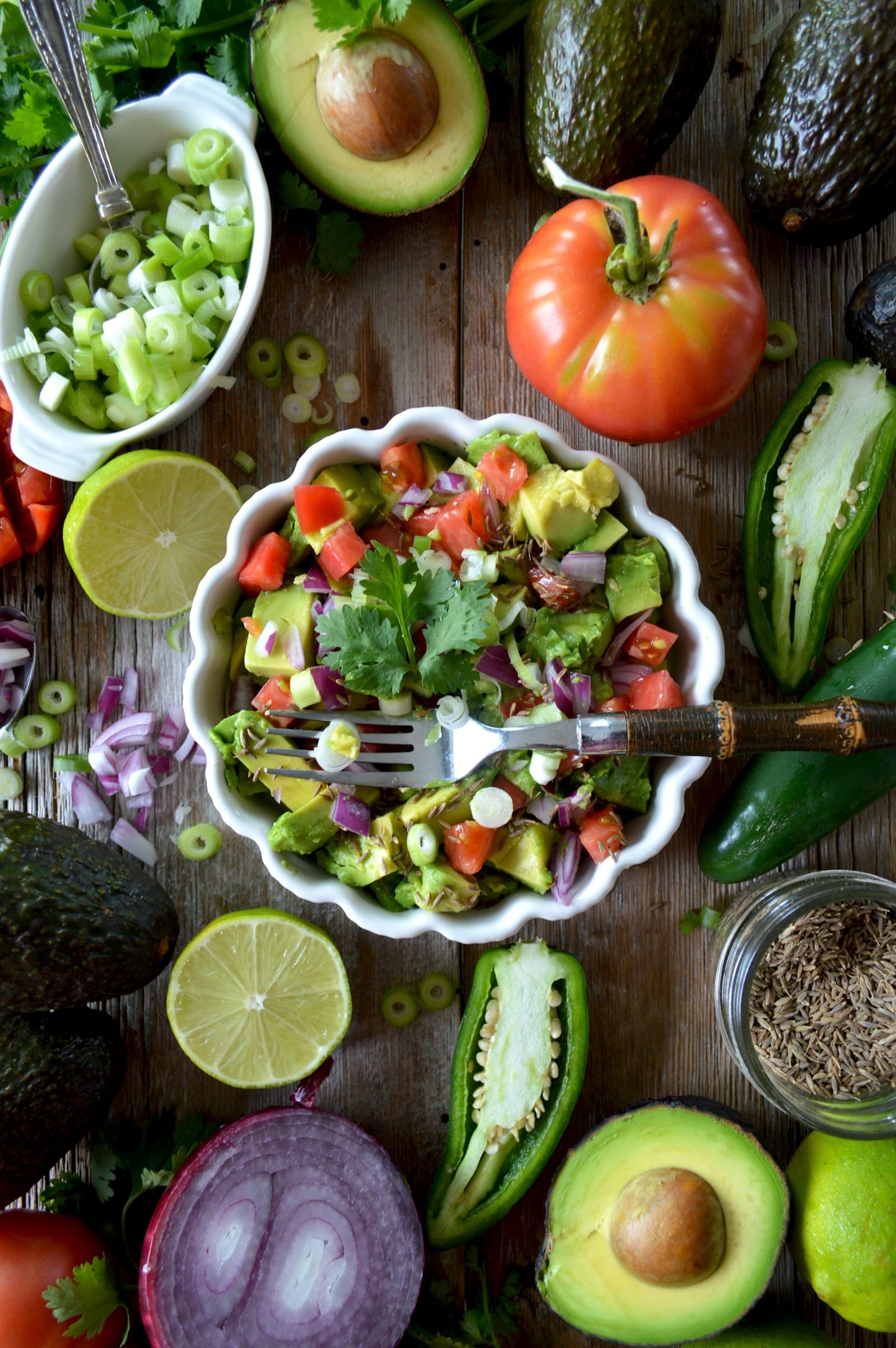
Ingredients Shape the Nutritional Content of Meals
At first glance, two plates might look nearly identical, but the ingredients beneath the surface can make all the difference. For example, a pasta dish made with white flour noodles, a cream-based sauce, and Parmesan cheese will have a distinct nutrient profile compared to one with whole wheat pasta, a tomato-based sauce, and low-fat mozzarella. According to USDA FoodData Central, even brands of pasta or cheese can vary in calories, fat, sodium, and fiber per serving. Ingredient choices, including vegetables, proteins, grains, and sauces, each contribute specific amounts of nutrients and affect the meal's overall value.
Small ingredient swaps can lead to significant nutritional changes. For example, swapping butter for olive oil or standard ground beef for lean turkey can alter the fat content and types of fat in a meal. The FDA recommends checking the ingredient list and food labels to better understand what is actually in your meal, especially when visual cues alone aren’t clear. Even subtle additions—such as a sprinkle of seeds or fresh herbs—can influence vitamins, minerals, and calories. Each ingredient's nutrition profile is shaped by its food source, preparation method, and serving size listed in FoodData Central.
Preparation Methods Can Change Calories and Nutrients
Cooking methods can dramatically change a meal’s nutrition, even when the visible ingredients are the same. For instance, baking, boiling, sautéing, grilling, or frying chicken can yield variations in calorie count, fat content, and moisture. According to USDA FoodData Central, foods cooked in oil typically contain more calories and fat than those roasted or steamed. Fried items often absorb some of the cooking fat, while grilled foods may lose some fat during cooking. Additionally, techniques such as breading, battering, or marinating can also add calories, sodium, and other nutrients.
Beyond the obvious, even how vegetables are prepped makes a difference. Steaming preserves some nutrients better than boiling, while adding sauces, seasonings, or finishing oils can adjust the sodium, sugar, and fat content. The FDA advises reviewing preparation details on nutrition labels or in recipe notes, as these can explain why a visually similar meal might offer different nutrients. Knowing whether foods are raw or cooked, and if any extra toppings or spreads are included, helps paint a clearer nutritional picture.
Portion Size Impacts Nutritional Estimates Significantly
Portion size plays a central role in determining a meal’s nutritional values and can differ drastically even between two visually similar plates. What appears to be the same dish could represent half a serving on one plate and a double portion on the other. According to the FDA, always check the stated serving size before interpreting calories and nutrients on food labels or in nutrition databases. A larger portion will naturally contain more calories, fat, carbohydrates, and other nutrients, so comparing similar-looking meals without portion details can be misleading.
FoodData Central entries include reference amounts based on typical serving sizes, but homemade meals or restaurant portions may vary. Even minor adjustments like a larger scoop of rice or extra sauce can increase total calories or sodium. Estimating carefully and noting portion sizes, whether by weight, volume, or visible cues, helps provide more accurate interpretations of nutritional estimates. Being mindful of how much is actually served supports better understanding of meal differences beyond appearance.
Meal Comparisons Require Context and Label Review
When comparing two similar-looking meals, understanding the context is essential for accurate nutritional evaluation. Reading ingredient lists, preparation notes, and portion information from food labels or recipes can clarify why two dishes differ—even if they seem identical. The FDA emphasizes reviewing these details since nutrition facts reflect the exact recipe, ingredients, and portion used. For homemade or restaurant dishes, requesting information or reviewing nutrition estimates online can provide helpful insight.
Looking up foods in USDA FoodData Central allows for reference estimates based on the actual product, brand, and preparation style. Contextual notes, such as "grilled without oil" or "includes extra cheese," make nutrition comparisons more precise. Rather than relying solely on visual similarities, combining ingredient, preparation, and portion details equips you to interpret meal nutrition more effectively and avoid common pitfalls when reviewing food photo estimates.
Sources
- USDA FoodData Central — U.S. Department of Agriculture
- How to Understand and Use the Nutrition Facts Label — U.S. Food and Drug Administration
FoodSnap provides editable nutrition estimates. This article is for general educational purposes and is not a substitute for individualized medical or dietary advice from a qualified professional.