
What Is Calorie Density?
Calorie density refers to the amount of energy, or calories, found in a certain weight or volume of food. For example, some foods supply many calories in a small portion, while others provide fewer calories even in a larger amount. The concept focuses on the relationship between the size of a food and how much energy it offers, rather than categorizing foods as better or worse. Understanding calorie density can help you recognize what different foods contribute to your meal, especially when considering how filling or satisfying they might be.
Foods vary widely in calorie density, depending on their water, fiber, fat, and sugar content. Fruits and vegetables tend to be less calorie-dense because they contain more water and fiber per bite, whereas foods with added fats or sugars are often more calorie-dense. This blend determines how much energy you receive from a given portion, which influences meal planning and how you approach variety within your diet. Calorie density is simply one aspect that shapes the energy balance of your daily meals.
Calorie Density and Food Volume
The volume of food you eat can be very different from its calorie content. A large serving of leafy greens or berries might have far fewer calories than a small portion of cheese or nuts, even though the two look vastly different in size. This is because calorie-dense foods pack more energy into smaller volumes, while less calorie-dense foods take up more space in your bowl or plate per calorie. These differences in volume and density can affect how full you feel after eating and how you interpret your food choices.
Eating patterns that blend foods with various calorie densities often help with feeling satisfied during meals. For instance, pairing a calorie-dense food like peanut butter with a less calorie-dense food like apple slices can offer both enjoyment and balance, without rigidly limiting options. This approach aligns with MyPlate and WHO guidance, which encourage variety and flexibility, emphasizing satisfaction and practical nutrition over strict rules. Recognizing volume alongside calorie density lets you make meal decisions that suit your needs and preferences.
Why Calorie Density Matters in Meal Planning
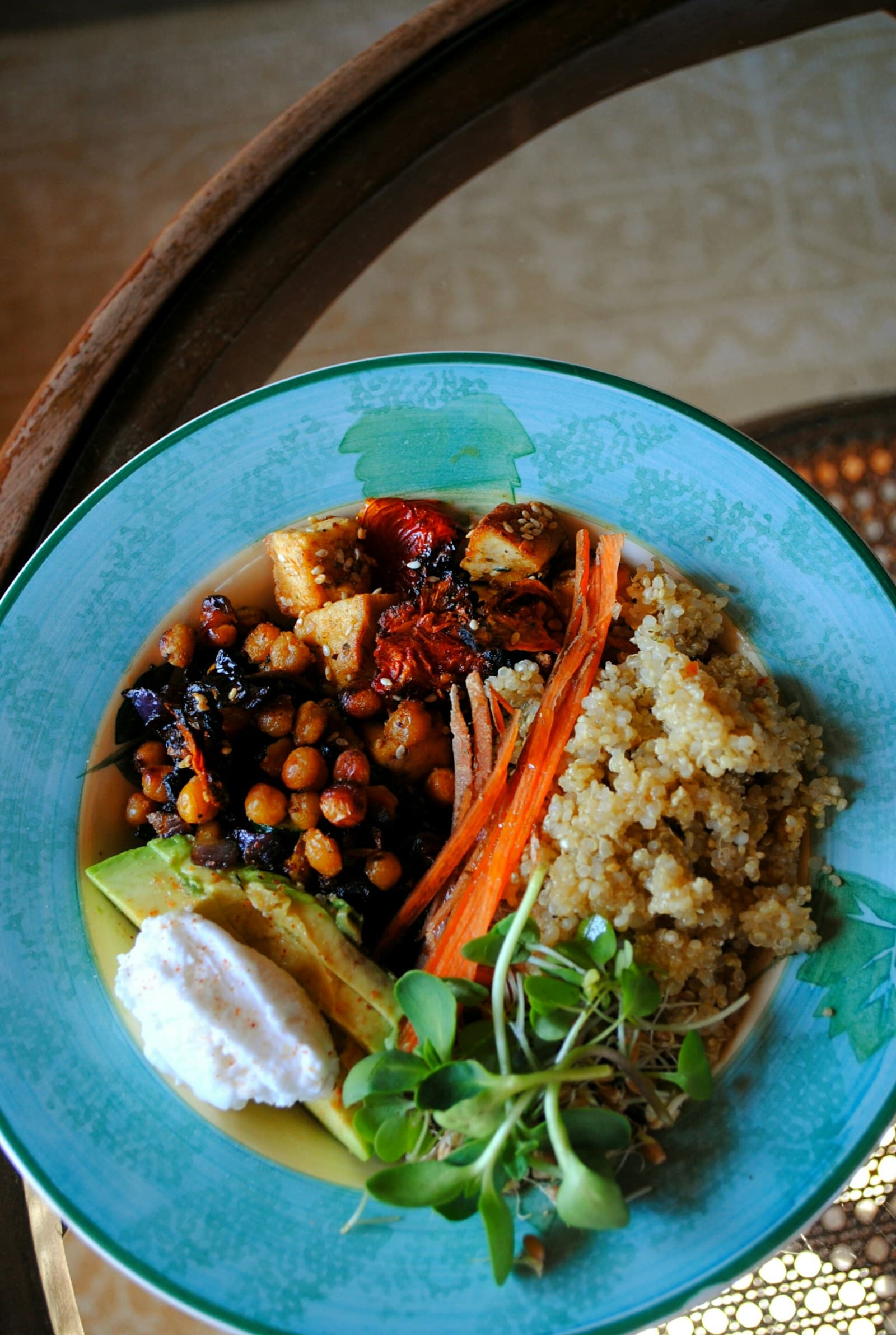
Knowing about calorie density can make meal planning more intuitive. Selecting foods with a mix of calorie densities can create meals that provide plenty of flavors and textures while helping with energy balance. For example, dishes with grains, proteins, and colorful vegetables include foods with different calorie densities, which enhances both the satisfaction and diversity of a meal. This principle doesn’t rank foods as good or bad—it’s about combining elements in a way that suits your goals and tastes.
Meal planning with calorie density in mind encourages choosing foods according to occasion, appetite, and nutritional needs. Sometimes, you might prefer a more calorie-dense option in small portions, like a slice of avocado or a sprinkle of cheese, alongside larger servings of vegetables or grains. The USDA MyPlate approach supports this flexibility, showing how different food groups contribute to balanced meals. Exploring calorie density is a practical tool for understanding your meals without rigid constraints.
Calorie Density as Part of a Balanced Diet
Calorie density is just one factor in a balanced diet, alongside nutritional quality, flavor, and social considerations. The World Health Organization notes that balanced eating patterns come from variety across food types—not from strict rules about calorie numbers or food choices. Choosing foods with different calorie densities, textures, and nutrients creates room for meals that nourish and satisfy, fitting within broader healthy eating patterns.
Using calorie density to guide your selections helps you explore foods without labeling them in moral or absolute terms. Instead, it’s a way to add perspective on meals, making it easier to adjust portions or ingredients to fit your routine. Whether you’re experimenting with new dishes or planning familiar meals, recognizing how calorie density interacts with other factors allows for a more enjoyable and flexible approach. This reflects recommendations from both WHO and USDA, which favor practical, adaptable nutrition strategies.
Sources
- Healthy diet — World Health Organization
- What Is MyPlate? — USDA MyPlate
FoodSnap provides editable nutrition estimates. This article is for general educational purposes and is not a substitute for individualized medical or dietary advice from a qualified professional.