
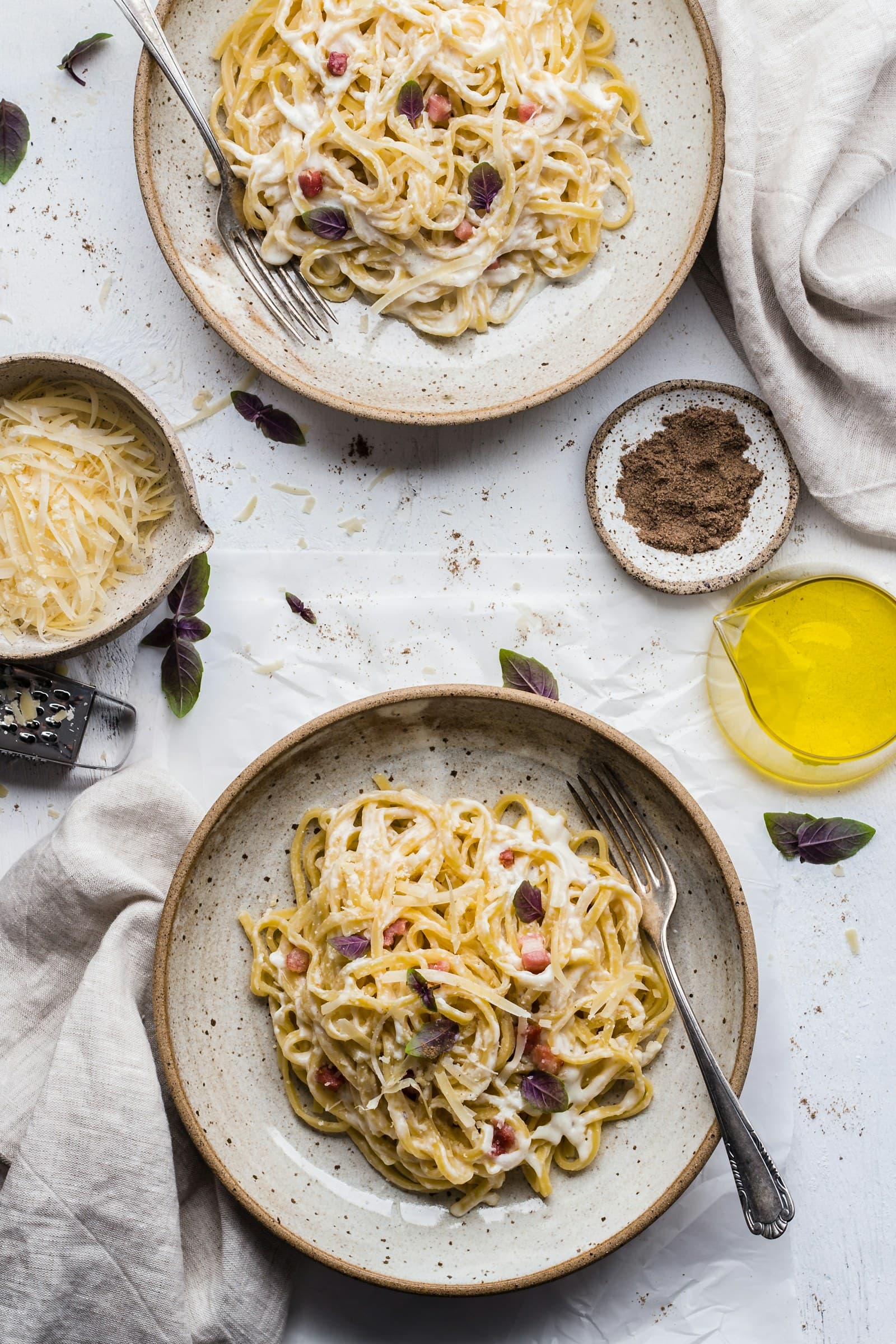
A recipe does not stay visually identical
Cooking changes the way ingredients appear on a plate. A raw vegetable may shrink, a grain may look fuller after absorbing water, and a piece of food may take on a browned surface. These visual changes can make the portion in a photo look larger or smaller than the ingredients looked before cooking. The image still offers useful context, but it does not show every input that shaped the finished meal.
FoodData Central provides reference nutrient records, and the USDA notes that values can vary by food entry, brand, recipe, preparation, and portion. That is why a calorie estimate should be connected to the specific food and preparation when possible. A photo-based estimate can organize a reasonable starting point, while an editable entry lets you add context that the image cannot reveal.
Added oil can stay out of the frame
Oil used in a pan, brushed over vegetables, mixed into a dressing, or drizzled over a finished dish may not be obvious in a photograph. Some can remain on the food, while some may be left in a pan or container. Without a recipe or a note, the image usually cannot establish how much was used or how much reached the serving shown.
For a more useful estimate, record the cooking fat as a separate ingredient when you know it was included. If you are unsure, describe the uncertainty rather than choosing a highly specific number. You can also distinguish between a plain preparation and one finished with oil, butter, dressing, or a flavored sauce. That small piece of context may matter more than trying to inspect the pixels for a hidden ingredient.
Water loss changes weight and appearance
Water can leave food during cooking, or enter it during boiling and soaking. The finished item may therefore weigh differently from the raw ingredient even when the ingredient itself has not gained a comparable amount of energy. A cooked portion can also become denser or more compact, changing how much it appears to occupy on a plate.
This matters when comparing a photo with a reference entry or a package serving. Ask whether the portion is being described before or after cooking, and keep that description consistent. FoodData Central includes reference records, but its values are not a substitute for identifying the relevant food entry, preparation, and portion. When those details are unclear, treat the result as an estimate that can be revised.
Sauces and coatings change the context
A sauce can be spread across a meal, hidden beneath food, or served in a small cup beside it. A coating may also change the visible surface without revealing its ingredients. Two plates with the same main food can therefore have different estimated totals when one includes a sauce, glaze, marinade, or topping and the other does not.
When logging from a photo, look for containers, streaks, pooling, toppings, and signs that a separate condiment was served. If the sauce is packaged, the label can add useful information, but start by checking serving size and servings per container before interpreting the calorie and nutrient numbers. The FDA specifically recommends that order of reading because a package may contain more than one listed serving.
Choose a useful level of detail
Cooking method is valuable context, but it does not make a photo a scale or a recipe record. “Roasted with oil,” “steamed,” “fried,” or “served with dressing” can be more informative than a bare food name, while still leaving room for uncertainty. If you know the recipe, ingredients, or amount served, add those details. If you do not, keep the estimate editable instead of filling gaps with invented precision.
FoodSnap can help turn a meal photo into editable calorie, macro, ingredient, and portion estimates. Review the result for preparation details, sauces, and portion assumptions, then adjust what you know. The goal is a food record that reflects the information available: specific where the context is clear, and modest where the photo cannot answer the question.
Sources
- USDA FoodData Central — U.S. Department of Agriculture
- How to Understand and Use the Nutrition Facts Label — U.S. Food and Drug Administration
FoodSnap provides editable nutrition estimates. This article is for general educational purposes and is not a substitute for individualized medical or dietary advice from a qualified professional.