
What the estimate actually represents
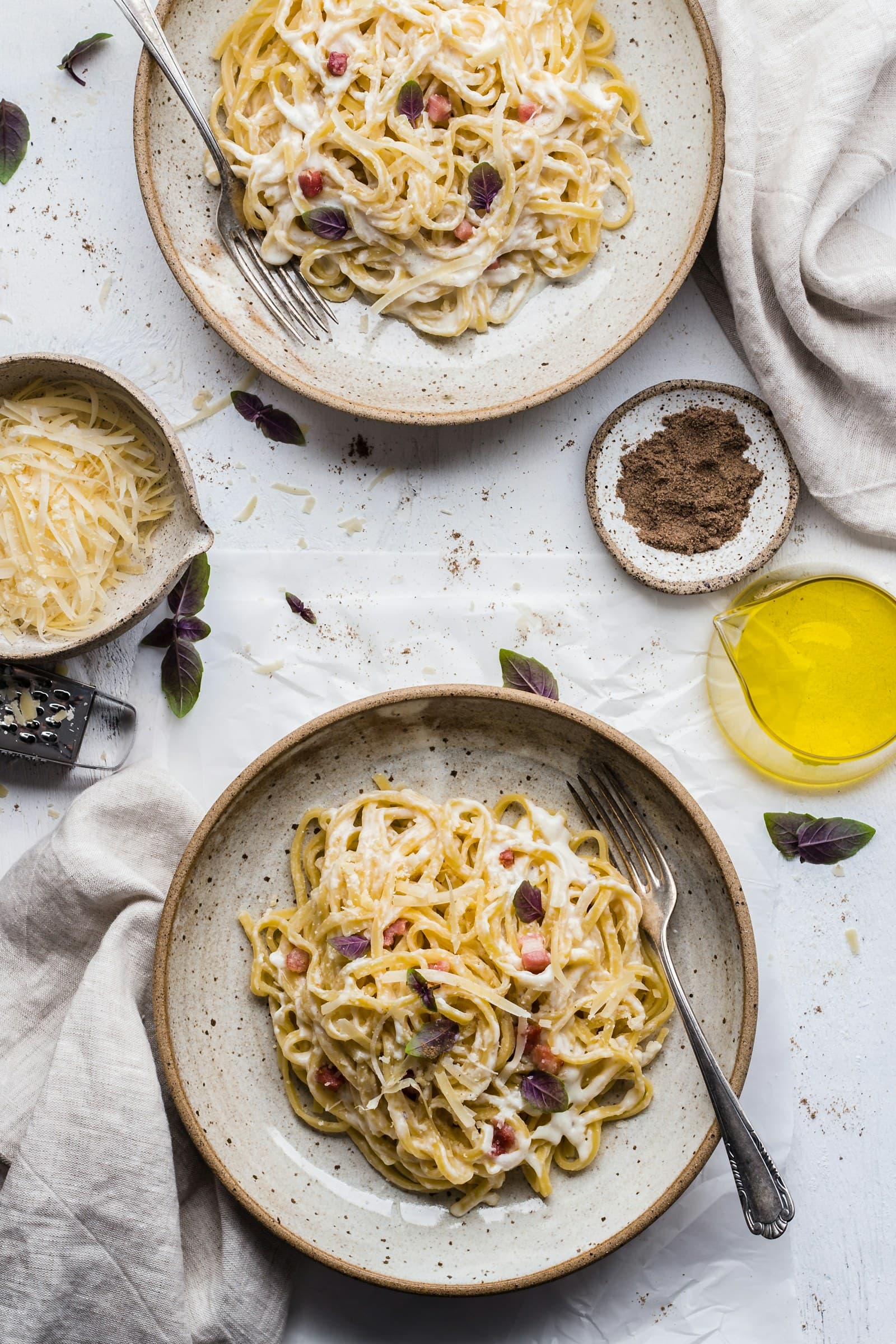
A meal photo provides visual clues such as the foods present, their apparent volume, and the way they are arranged. An estimate connects those clues with reference nutrition data, but the image cannot reveal every recipe detail or exact weight on its own.
That makes the result most useful as a first draft for your log. Reviewing the identified foods and adjusting anything the image could not show turns a quick estimate into a record that better reflects what was on your plate.
Why portion size changes the number
Nutrition data is tied to an amount, so a correct food name can still produce an unhelpful estimate when the portion is off. A shallow bowl and a deep bowl may look similar from above even though they hold very different quantities.
Use familiar anchors when you review the result: the package size, the number of spoonfuls, or whether you ate all of what was served. When practical, including the full plate and a familiar object in frame can make scale easier to interpret.
Look for ingredients the camera cannot see
Oils, dressings, spreads, and sweetened drinks can be visually subtle while still changing the energy and macro estimate. Mixed dishes also hide ingredients beneath the surface, so the visible top layer is rarely the whole recipe.
Before saving, scan the item list and add what you know was included. You do not need perfect recall; correcting the obvious omissions and selecting a more realistic portion usually adds more value than trying to make every digit look precise.
Use the log as a pattern, not a verdict
One meal varies for many ordinary reasons, including appetite, schedule, and what ingredients were available. A longer sequence of consistently reviewed entries is more informative than overinterpreting a single estimate.
Look across several days for recurring meal shapes, frequently missed items, and portions that leave you satisfied. The purpose of a food log is to make your routine easier to understand, not to assign a score to an individual plate.
Sources
- USDA FoodData Central — U.S. Department of Agriculture
- What Is MyPlate? — U.S. Department of Agriculture
FoodSnap provides editable nutrition estimates. This article is for general educational purposes and is not a substitute for individualized medical or dietary advice from a qualified professional.