
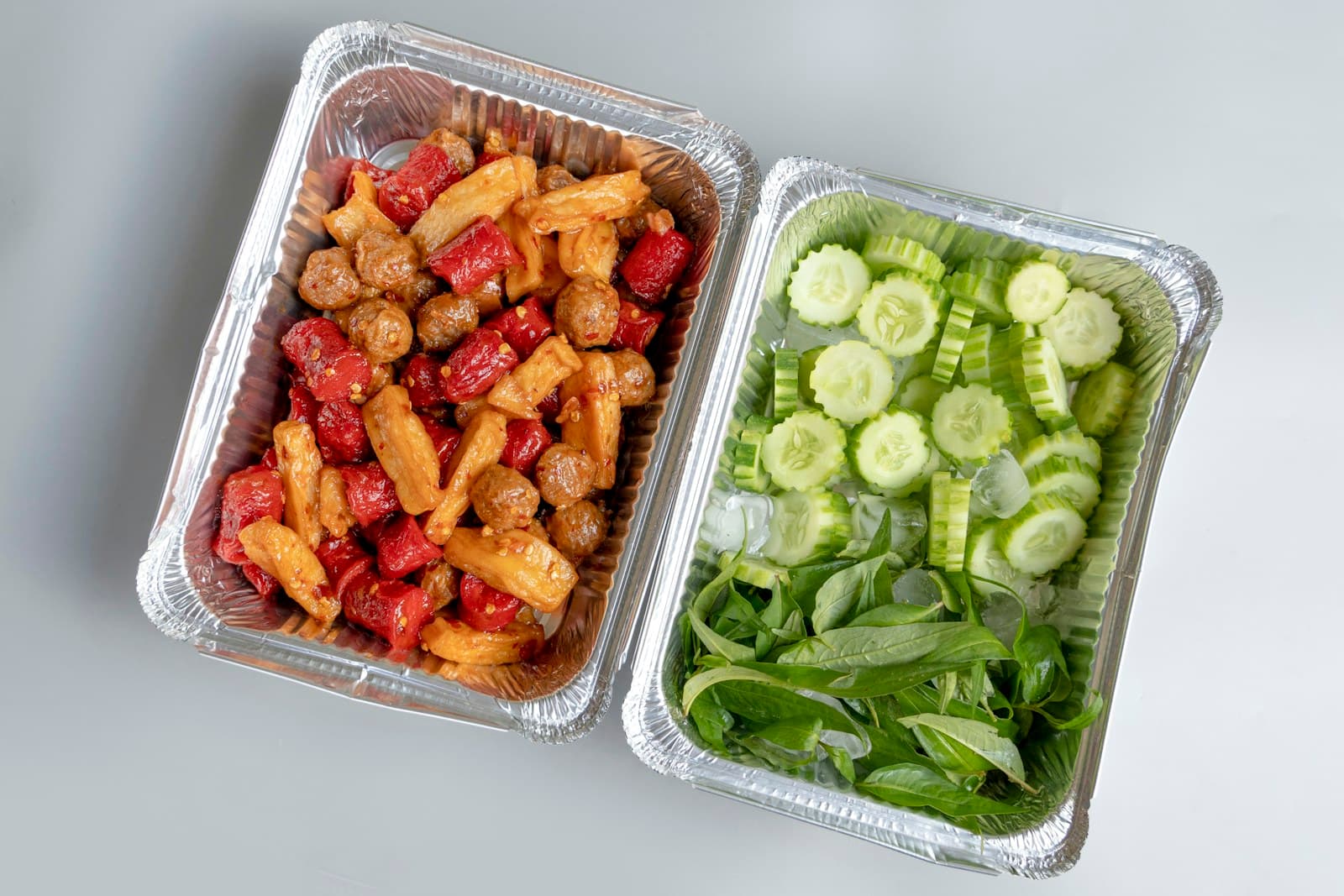
Building Balanced Meals With Basic Food Groups
A flexible meal template starts with a simple framework: choose foods from diverse groups to build your plate. The USDA MyPlate Plan, along with WHO guidance, underscores the value of including fruits, vegetables, grains, protein sources, and dairy or substitutes in daily meals. Rather than focusing on specific portion sizes or calorie targets, this approach encourages an open mix-and-match process, helping meals stay balanced and varied. By prioritizing food groups, you can easily adjust dishes for different tastes, dietary needs, or seasonal ingredients.
A balanced template allows for creativity and variety without rigid prescriptions. Add vegetables such as leafy greens or roasted carrots for color and fiber, mix grains like brown rice or quinoa for energy, and choose lean proteins—beans, fish, or poultry. Dairy, such as yogurt or cheese, rounds out the plate, but alternatives like fortified plant milks are also options. Using this general food-group template, meals adapt to preferences or pantry staples, supporting day-to-day flexibility while giving a gentle structure to meal planning.
Mix-and-Match Core Components for Variety and Flexibility
Embracing core components from each food group lets you build meals that fit your lifestyle and cravings. MyPlate and WHO both recommend filling plates with a range of foods, so you’re not limited by strict formulas or numeric limits. Pick a vegetable base, combine it with a grain or starchy ingredient, add a protein source, and complement with a dairy or plant-based option. Whether making a grain bowl, sandwich, salad, or stir-fry, this template provides a customizable method for assembling a meal using what you have on hand.
For example, breakfast might pair whole-grain toast with scrambled eggs (protein) and a side of berries (fruit). Lunch could feature a mixed salad with beans, seeds, and a dollop of yogurt or a plant-based dressing. Dinner might include baked fish, roasted sweet potatoes, and steamed broccoli. Swapping components for others—like using lentils instead of chicken or choosing spinach over lettuce—keeps meals interesting and approachable. This method promotes variety, enabling nutritious choices without the need to track calories.
Practical Strategies for Everyday Meal Planning
Using a flexible template makes everyday meal planning less daunting. By focusing on food groups, you can easily adapt meals to time constraints, budget, or special occasions. Keeping a shortlist of favorite options from each group helps streamline grocery shopping and meal assembly. Prepping versatile ingredients in advance—such as cooked grains or chopped veggies—saves time and lets you mix and match throughout the week. The approach works for solo meals and family-style dishes alike, as everyone can tailor their plate with different combinations.
This structure also supports the inclusion of a wide range of nutrients and flavors. Allowing yourself to swap ingredients based on availability or preference encourages exploring new foods and recipes. Instead of feeling pressured to reach numerical goals, you focus on building plates that look colorful and satisfying, reflecting guidance from MyPlate and WHO. Planning in this way helps ensure meals remain balanced yet enjoyable, accommodating busy schedules and unexpected changes in routine.
Adjusting the Template to Suit Personal Needs and Tastes
Making the template your own is both practical and rewarding. While the foundation is a balance of food groups, adjustments for dietary preferences, cultural traditions, or physical activity levels are natural. Someone might emphasize plant-based proteins, use alternative grains, or incorporate regional fruits and vegetables. The template remains open-ended, inviting meal builders to personalize dishes while staying anchored in variety and balance, rather than fixed portions or calories.
If you’re following a vegetarian, vegan, or lactose-free pattern, choose plant-based proteins or fortified dairy alternatives. For those with allergies or intolerances, swap in safe substitutes from different food groups. Seasonal produce brings freshness and color, and flavoring meals with herbs, spices, or condiments lets plates reflect individual tastes. Adjusting the template ensures meal variety and satisfaction while respecting broad healthy-eating principles outlined by both the USDA and WHO, without mandating numeric tracking or meal rigidity.
Sources
- MyPlate Plan — USDA MyPlate
- Healthy diet — World Health Organization
FoodSnap provides editable nutrition estimates. This article is for general educational purposes and is not a substitute for individualized medical or dietary advice from a qualified professional.