
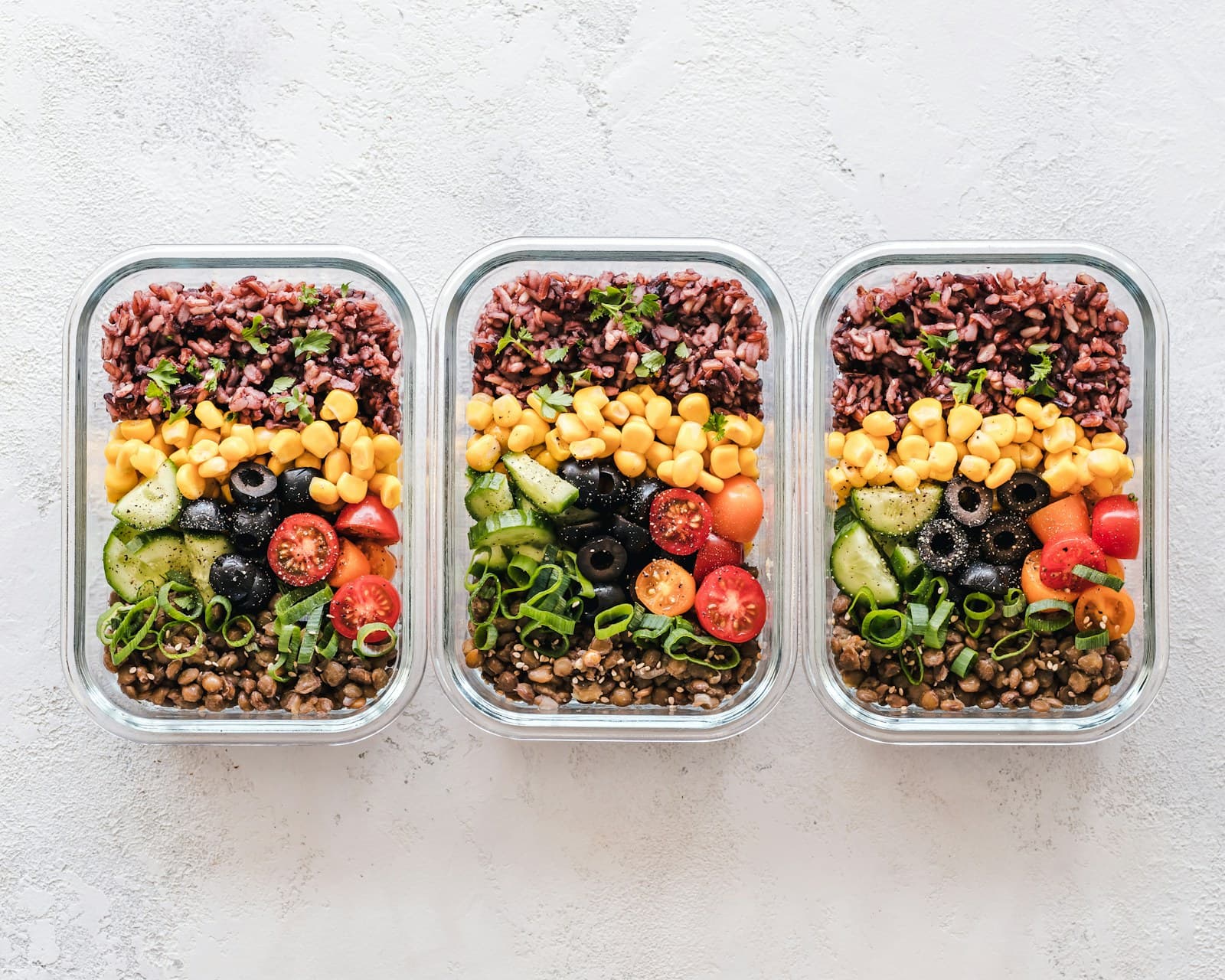
Start With a Pantry Inventory to Inspire Meals
Taking stock of what you already have is a practical first step for meal planning. A pantry inventory helps you see which grains, proteins, canned goods, fresh produce, and spices are available. This approach makes planning less overwhelming and more efficient because you’re starting with ingredients that are already on hand. By grouping items according to food categories, such as whole grains, vegetables, fruits, dairy, and proteins, you can align your choices with general guidance like that from the USDA MyPlate Plan. This process enables you to use up foods before purchasing more, while supporting balanced meal ideas without tracking portions to specific targets.
Once you have your list of available foods, think broadly about how to mix and match within food groups. For example, combining lentils with rice or using canned tomatoes with fresh vegetables can form the foundation of a meal. This encourages variety even when options are limited. Checking your inventory regularly can uncover forgotten items, making it easier to avoid purchasing duplicates. Overall, this pantry-focused approach fosters creativity and guides meal planning towards balanced, variety-rich meals as supported by broad dietary recommendations.
Generate Meal Ideas Based on Your Existing Foods
Next, use your pantry list to generate meal possibilities that connect foods from multiple groups. For example, pairing whole wheat pasta with vegetables and canned beans can create a balanced dish, or matching eggs with leftover roasted potatoes and fruit can build a satisfying breakfast. The World Health Organization emphasizes variety and balance, so building meals that include different food groups and rely on the foods you have aligns with those principles. Avoid rigid meal templates—instead, let what’s available guide diverse meal combinations.
You can brainstorm meal options by picking one food as a base and then identifying how other pantry items can complement it. This method not only energizes meal planning but also helps utilize items before they become less usable due to time or storage limits. Keeping it flexible allows for spontaneous substitutions based on what needs to be used soon, which helps with reducing food waste. This workflow focuses on practical choices and maintains balance without relying on strict portion or macro prescriptions.
Create a Flexible Weekly Plan With Your Pantry as Reference
With meal ideas in mind, draft a weekly meal plan that remains open to change. Start by penciling in dishes you can make entirely with foods you already have, leaving space to adjust as you discover other pantry items or receive fresh produce. Use the general food group guidance from sources like MyPlate to inspire the balance and variety in each meal, rather than aiming for specific servings or targets. This weekly planning step encourages you to prioritize what you own, minimizing excess purchases.
A flexible plan lets you respond to real-life circumstances, such as leftover ingredients from earlier meals or an unexpected need to substitute items. If you find that certain foods are nearing their best-by date, you can incorporate them more frequently. Keeping your plan general avoids setting limits tied to exact numbers and instead supports a broader approach to dietary balance and variety. As you go, you can adjust the plan based on changing needs, making pantry-first planning a dynamic and sustainable habit.
Review and Refresh Your Pantry to Improve Future Planning
After a week or so, pause to review which pantry items were used, which remain, and what was enjoyed most. This reflection helps you identify patterns—such as ingredients that are consistently unused or meals you repeatedly return to—so you can fine-tune your inventory and meal planning in future weeks. It can also highlight foods that you might need to replenish or those you can avoid buying until current supplies are used. Regular review keeps pantry management realistic and tailored to your preferences and needs without enforcing rigid food rules.
Refreshing your pantry inventory is a practical way to stay mindful of what you have and keep planning efficient. This ongoing cycle supports balanced meals and reduces waste, as you are less likely to overlook ingredients. Leveraging a flexible, inventory-based workflow aligns with general guidance from the USDA MyPlate Plan and the WHO by encouraging balance across food groups and variety. While precise targets aren’t the focus, the pantry-first approach empowers you to make informed choices using ingredients you already own.
Sources
- MyPlate Plan — USDA MyPlate
- Healthy diet — World Health Organization
FoodSnap provides editable nutrition estimates. This article is for general educational purposes and is not a substitute for individualized medical or dietary advice from a qualified professional.