
Small Additions That Can Have a Big Impact
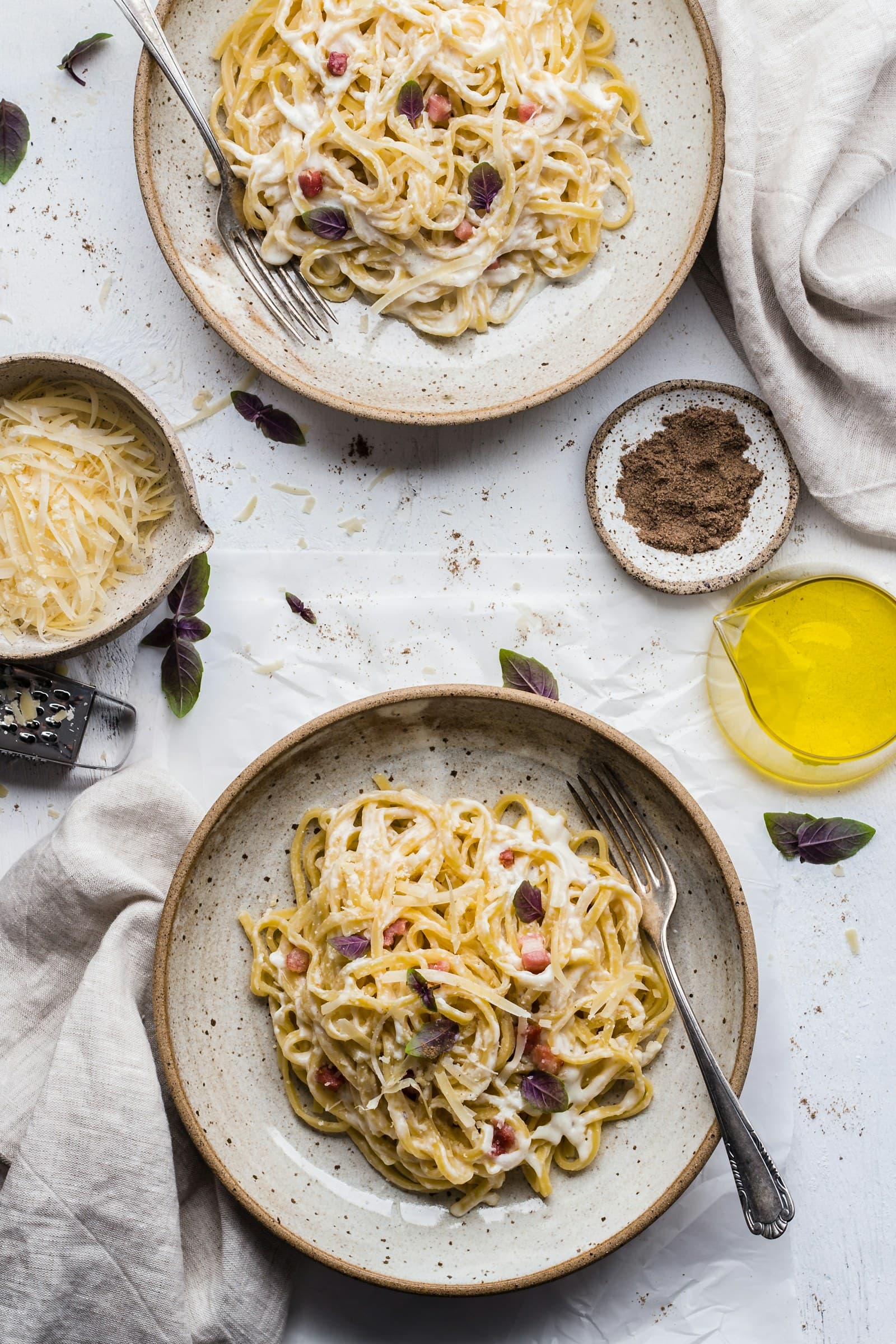
Even modest portions of sauces, dressings, oils, and toppings can noticeably increase the calorie and macronutrient estimates of a meal. Condiments such as mayonnaise, ranch dressing, or cheese add calories that may outweigh those of the base food. According to USDA FoodData Central, the calorie content and nutrient makeup of these additions vary significantly depending on brand and recipe, making a precise estimate tricky. It’s easy to overlook these extras when scanning or logging meals, yet they often account for more than expected in the overall nutritional profile.
For example, a tablespoon of olive oil from FoodData Central is estimated to contribute around 120 calories—similar to a slice of bread. When combined with a salad or entrée, these additions can shift the balance of fat, carbohydrates, or protein in your meal. Taking note of condiments or sauces, even in small amounts, helps create a more complete picture of your meal’s nutrient distribution, without relying on guarantees or medical-level precision.
The Role of Serving Size in Estimating Add-Ons
Toppings and sauces often come in portion sizes that differ from manufacturer or restaurant-standard servings listed on food labels. The FDA recommends checking both the serving size and the number of servings per container before interpreting calories and nutrients. If you drizzle dressing or spread peanut butter beyond the labeled serving, your meal’s estimated calorie and macro totals may need adjustment. This holds true whether you’re eating out, preparing food at home, or using a scanning app for meal tracking.
Using FoodData Central as a reference, estimates for toppings vary with actual portion sizes, preparation, and even the brand selected. For instance, one serving of bottled salad dressing is often estimated at two tablespoons, but actual use may be less or more. Carefully noting what you add to your meal—such as “one tablespoon ranch” or “half slice cheddar”—helps align your estimate with the portion you actually ate, rather than a generalized assumption.
Strategies for Calm, Practical Food Logging
Logging toppings and sauces can feel tedious, but approaching it calmly helps avoid frustration or overwhelm. Instead of aiming for exact measurements, focus on making clear, descriptive entries for toppings and dressings—such as “half cup salsa” or “one tablespoon olive oil.” This approach makes it easier to review and adjust your meal estimate later, and reduces the stress associated with chasing perfect numbers. If you’re unsure about portion size, making a reasonable note or estimate in your food log can be more helpful than leaving the item out entirely.
When using a photo-based calorie estimation tool, double-check that all visible toppings or sauces are captured in the ingredient list, and edit if needed. Include details on what was added, even if the amount is approximate. For confusing mixed dishes or restaurant meals, jot down what you remember about added condiments or dressings. By paying attention to these extras—even casually—you create richer records for personal reflection or learning, without turning every meal into a math exercise.
Reviewing and Refining Meal Estimates Over Time
Meal estimates become more useful over time as you get comfortable noticing and recording toppings and sauces. As the FDA explains, labels are a starting point, but real-world eating involves variability. Reviewing past logs and making calm edits helps you spot patterns—such as regularly underestimating cheese or oil portions. This ongoing practice can inform future estimates and provide a more informed understanding of your daily eating patterns.
Refining your meal log doesn’t require strict tracking or perfectionism. Instead, it can be a neutral way to learn about the foods and extras you enjoy most. You might discover certain sauces are frequent sources of hidden calories or that you tend to use more nuts as toppings than expected. Over time, this reflective process supports a practical, individualized approach to meal tracking, grounded in observation and real-world choices rather than rigid formulas.
Sources
- USDA FoodData Central — U.S. Department of Agriculture
- How to Understand and Use the Nutrition Facts Label — U.S. Food and Drug Administration
FoodSnap provides editable nutrition estimates. This article is for general educational purposes and is not a substitute for individualized medical or dietary advice from a qualified professional.