
Replace verdicts with useful descriptions
Words such as “clean,” “bad,” or “cheating” turn a meal into a judgment about the person eating it. They also hide the information that could make a comparison useful. A more neutral description might say that one bowl contains an estimated 28 grams of protein, more carbohydrates from rice and beans, and a larger portion of vegetables than another bowl. That language explains what is different without assigning a moral score.
Macro comparisons are not a way to create a universal winner. Protein, carbohydrates, and fat describe parts of a meal, while ingredients, preparation, portion size, and context add more detail. A sandwich with a higher estimated fat value may be especially different from a soup with more carbohydrates, but neither label tells you whether it is the right choice for every occasion. The purpose is clearer observation, not a new set of rules.
Start with the question behind the comparison
Before comparing two meals, decide what you want to learn. Are you looking at why their calorie estimates differ, which one contains more protein, how portions change the totals, or how each fits a particular schedule? A question gives the comparison a boundary. Without one, it is easy to turn a simple difference in macros into a broad conclusion about the meal’s value.
For example, you might compare a pasta plate and a grain bowl by estimated carbohydrate, protein, fat, and the amount of visible vegetables. You could also note whether one includes a sauce, cheese, oil, or a larger serving of a staple ingredient. These observations are more informative than saying one is “better.” They leave room for the same person to choose differently on another day for a different reason.
Use FoodSnap estimates as editable observations
A photo can help you record what appears on the plate, but it cannot establish exact ingredient amounts or preparation details. FoodSnap provides editable calorie, macro, ingredient, and portion estimates from photos. Review the suggested items and serving sizes, then adjust them when you know the dish includes extra oil, a different grain, a shared topping, or a larger serving than the image suggests.
After editing, treat the result as a more useful estimate for comparison, not as a laboratory measurement. If two meals are close, avoid building a strong conclusion on a small numerical difference. It can be more helpful to say that one meal appears higher in estimated fat because of its dressing, while the other appears higher in carbohydrates because of its bread or grains. Naming the likely contributor keeps the comparison grounded.
Put macros beside variety and balance
The World Health Organization describes a healthy diet at the pattern level, emphasizing variety and balance rather than a single ideal meal. That broad perspective can make macro comparisons less rigid. You might notice whether meals draw from different food groups over time, while still describing the macro profile of each individual plate. A meal does not have to display every possible food group to be worth recording.
MyPlate offers food groups as a flexible framework for variety, not as a strict menu or a moral ranking. Use it as a prompt to notice what is present and what may be less visible in a meal, such as fruit, vegetables, grains, protein foods, or dairy alternatives. This context complements macro information: macros describe composition, while food-group variety helps describe the wider pattern. Neither requires calling a meal clean or bad.
Write comparisons that stay descriptive
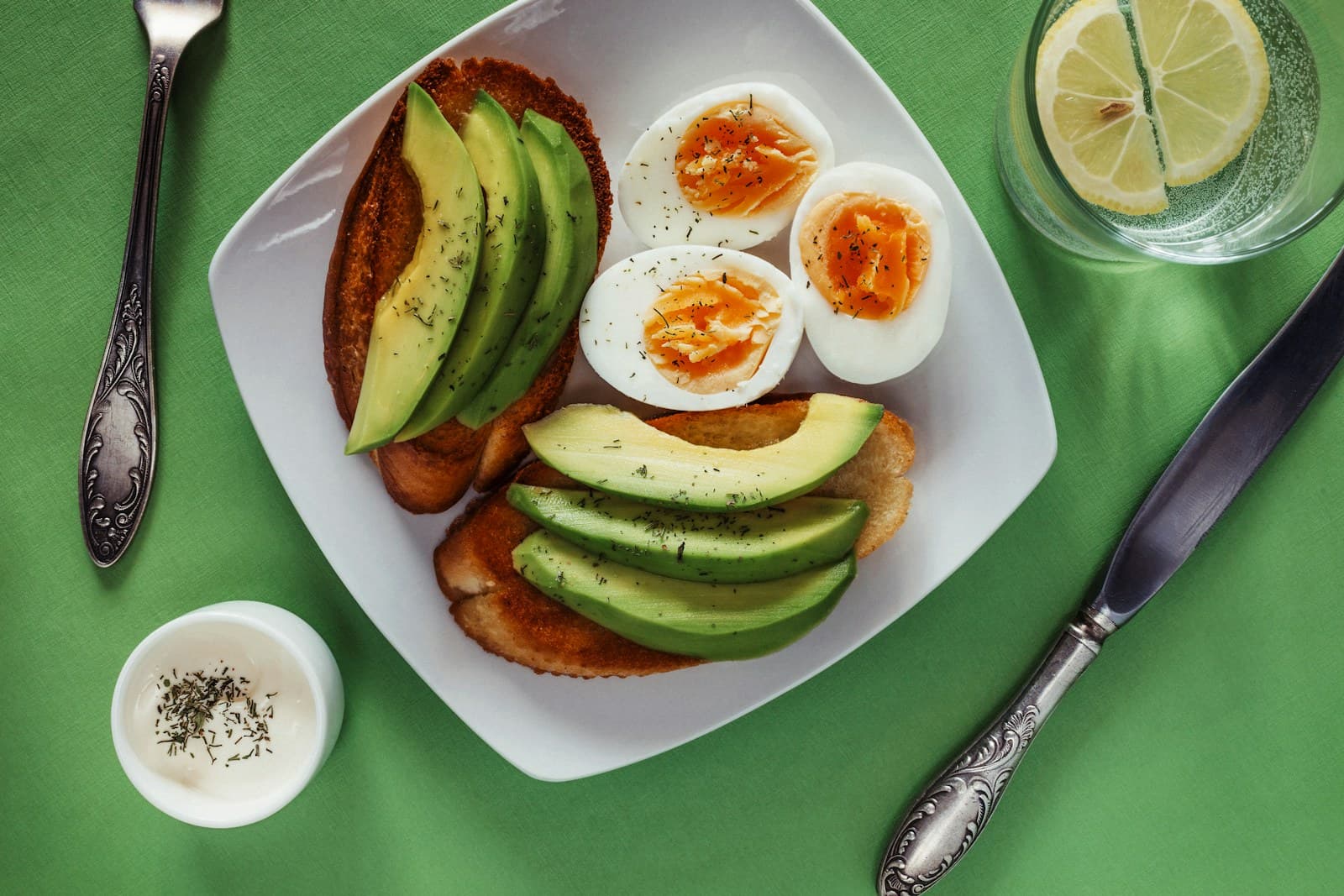
A practical note can follow a simple structure: name the meals, list the estimated differences, identify visible ingredients or portions that may explain them, and state what remains uncertain. For instance: “The lentil wrap is estimated higher in carbohydrates and fiber-containing ingredients, while the egg toast has a higher estimated fat share from the spread and eggs. The wrap’s sauce amount is unclear.” This is specific without pretending that the numbers settle the decision.
You can also compare meals across several entries instead of turning one plate into a final judgment. Look for recurring combinations, portion patterns, or ingredients you enjoy and want to include more often. Keep the wording factual and flexible: “higher,” “lower,” “similar,” “includes,” and “unclear” are useful terms. A meal log becomes more valuable when it helps you notice patterns while leaving choices open.
Sources
- Healthy diet — World Health Organization
- What Is MyPlate? — USDA MyPlate
FoodSnap provides editable nutrition estimates. This article is for general educational purposes and is not a substitute for individualized medical or dietary advice from a qualified professional.