
Start with patterns, not a perfect record
A meal history is most useful when you read it as a collection of clues. Look across several recent meals and note what showed up repeatedly: a breakfast you assembled more than once, vegetables that worked in multiple dishes, a convenient lunch, or a dinner format that fit your schedule. You are not trying to grade the past. You are identifying ingredients and meal structures that may make the next few days easier.
FoodSnap can help organize those clues when your history includes photos. Its calorie, macro, ingredient, and portion results are estimates based on the image and can be edited when you know more about the dish. A photo may suggest that a meal used rice, beans, greens, and a sauce, while your own notes can clarify the brand, recipe, or amount. Use the record as a starting point for shopping decisions rather than a precise inventory of what you consumed.
Translate repeated meals into ingredients
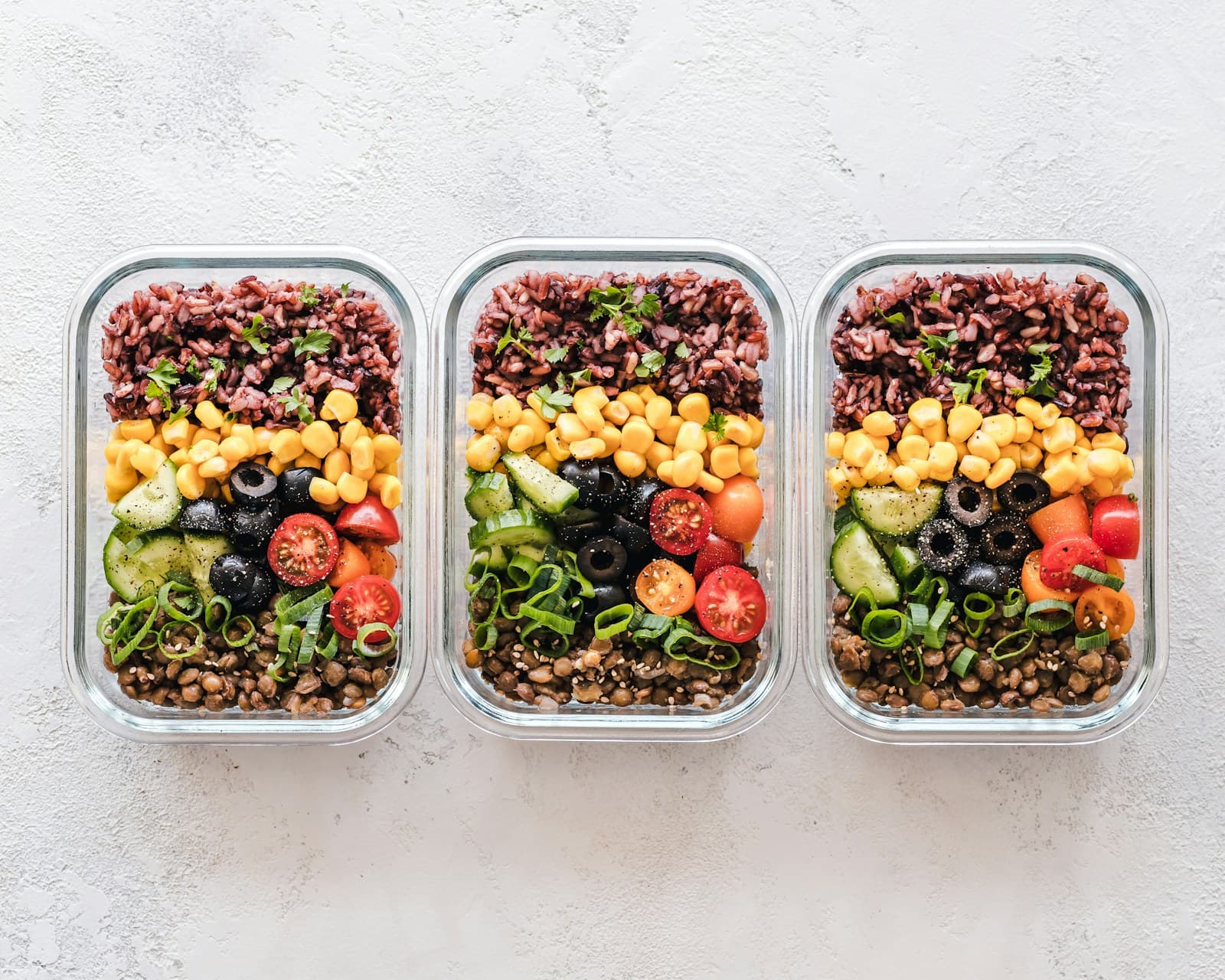
Convert meals into components before writing the list. If recent lunches often looked like grain bowls, you might need a base, a source of protein, produce, and a dressing or seasoning. If breakfasts repeated a toast-and-fruit pattern, the list may include bread, a spread, and several fruits. This approach keeps the list connected to meals you are likely to make instead of filling it with isolated ingredients that have no clear use.
Next, look for ingredients that can appear in more than one setting. A bag of greens might work in a sandwich, a bowl, or a quick side. A cooked grain could support lunch one day and dinner the next. Shared ingredients are not a command to eat the same meal repeatedly; they are a way to make choices easier while preserving room for different flavors and formats.
Use variety as a planning lens
The USDA MyPlate Plan illustrates planning around food groups, while the World Health Organization describes a healthy diet in terms that include variety and balance. For a shopping list, those ideas can serve as broad prompts: What kinds of produce have appeared recently? Which staple foods make meals satisfying for you? Are there different textures, colors, or cuisines you would enjoy having available? Keep the questions general rather than turning them into individualized targets.
A useful list can include familiar foods alongside one or two options that widen your choices. You might pair a regularly purchased vegetable with a different seasonal option, or keep a dependable grain while trying another format. Variety does not require replacing foods you like or making every meal look different. It means building enough range that your available ingredients support more than one preference and occasion.
Make the list flexible on purpose
Organize the list by role or store section, then mark items as core, optional, or substitute. Core items are the foods that support meals you already expect to make. Optional items add interest if your schedule and budget allow. Substitute notes—fresh or frozen produce, one grain for another, different beans, or a choice of sauces—help the plan adapt without requiring a full rewrite.
Leave a few blank spaces. Recent history cannot predict every invitation, craving, leftover, or busy evening, and the goal is not to make the week inflexible. You can also check what is already at home before buying: a half-used sauce, frozen vegetables, or a staple grain may change the list. The more clearly each purchase has a possible role, the easier it is to adjust quantities when plans change.
Review what the list teaches you
After the next shopping cycle, compare the list with what you actually used. Which ingredients supported several meals? Which foods were easy to overlook? Did a planned meal depend on too many separate steps, or did a simple component make several choices possible? These observations can improve the next list without turning the process into a scorecard.
Keep the review descriptive. Instead of deciding that a purchase was good or bad, record that it was used quickly, carried over, or never fit the week. Your meal history can then become a practical feedback loop: notice recurring patterns, shop for useful components, leave room for preferences, and revise with what you learn.
Sources
- MyPlate Plan — USDA MyPlate
- Healthy diet — World Health Organization
FoodSnap provides editable nutrition estimates. This article is for general educational purposes and is not a substitute for individualized medical or dietary advice from a qualified professional.