
Start with the recipe’s total yield
Recipe yield answers a simple question: how much food did the full preparation produce? It might be a whole pot of soup, a baking pan of rice, a bowl of salad, or a set number of muffins. Yield refers to the finished batch as a whole, not automatically to one person’s plate.
That distinction matters because a recipe can be prepared once and used across several meals. If the batch is divided evenly, the number of servings can help describe those divisions. If it is divided unevenly, the total yield still stays the same while each portion changes. When reviewing a food photo, record the recipe or dish first, then consider how much of the finished batch appears in the image.
Understand what a listed serving means
A recipe, package, or nutrition panel may list a serving size as a reference amount. The U.S. Food and Drug Administration explains that serving sizes on Nutrition Facts labels reflect amounts people typically consume; they are not recommendations, and a person’s portion can differ. In other words, the listed number helps organize the information, but it does not dictate what belongs on your plate.
A serving size also gives context to a calculation. A recipe may be described as eight servings even when the completed dish is not divided into eight visibly identical containers. For a useful review, keep the listed serving separate from the amount actually served. Treat it as a comparison point rather than as a description of every photographed meal.
Separate the plate from the reference amount
The plated portion is what you actually placed in the bowl, on the plate, or in the container shown. It can be smaller than, equal to, or larger than the recipe’s listed serving. It can also combine foods from different recipes, such as a scoop of a casserole with vegetables and a sauce. Each part contributes its own details to the review.
A practical way to think about the three terms is: yield describes the whole batch, serving size describes a reference division, and plated portion describes the amount in front of you. If the photo shows only part of a recipe, avoid treating the entire yield as though it were served. If the photo shows a second helping or a large scoop, avoid forcing it into the listed serving just because the recipe uses that label.
Use the distinction when reviewing a photo
A photo can show appearance and context, but it may not reveal the recipe’s total yield or the exact amount placed on the plate. FoodSnap can provide editable calorie, macro, ingredient, and portion estimates from a food photo. Use the recipe name, batch size, number of servings, and any known portion information to review those estimates rather than assuming the image settles every detail.
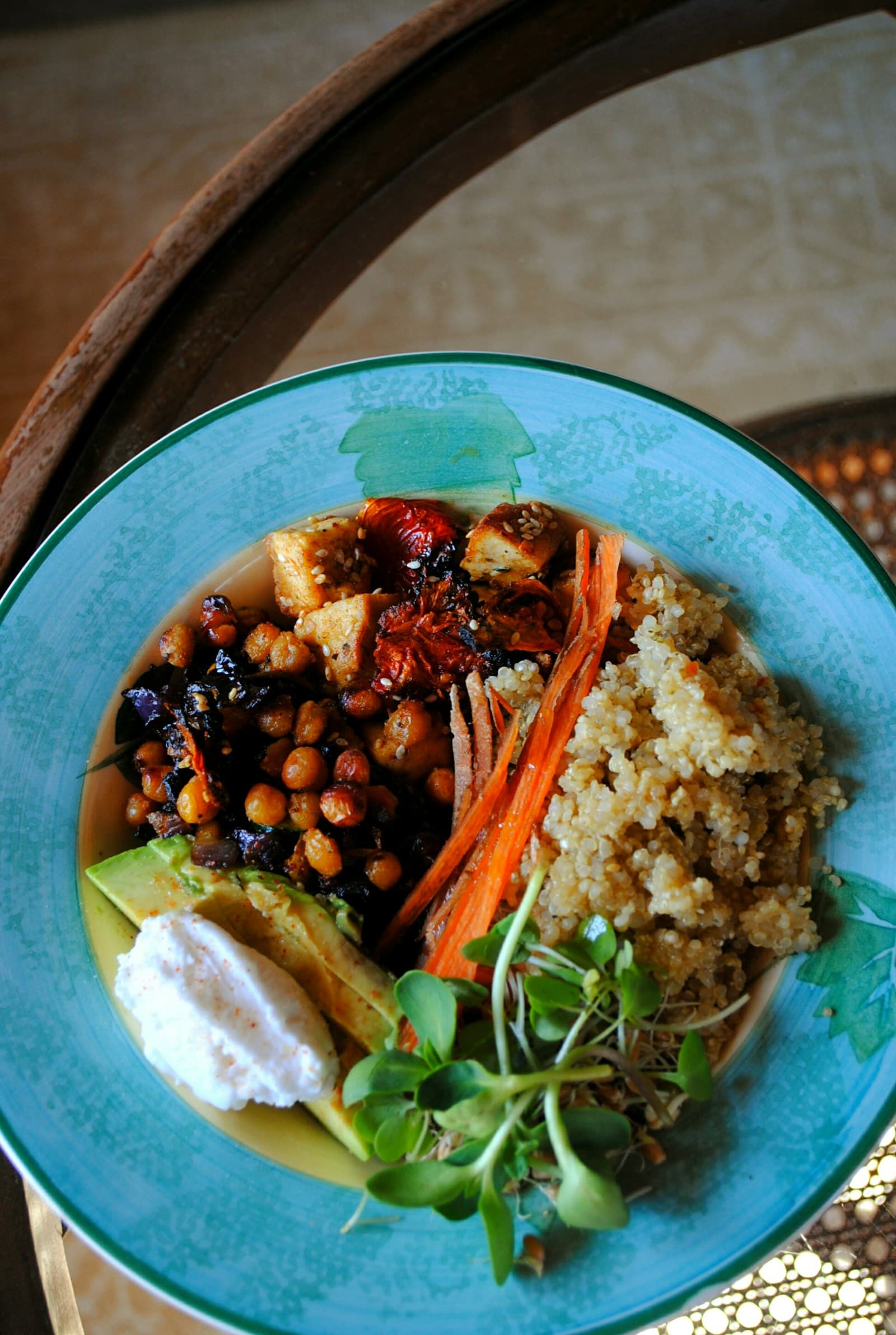
For example, suppose a cooked dish came from a batch intended to make several portions, but your plate contains a small scoop alongside other foods. The useful review is not simply “one serving.” It is to identify the dish, note the batch or listed serving context, and adjust the portion estimate if your plate differs. If the image includes leftovers in the pan or food shared with someone else, keep those amounts out of the plated portion being assessed.
Keep food-group guidance in its place
MyPlate presents food groups as a flexible framework for building variety. It can help you look at a meal in broad terms, such as whether it includes foods from different groups, but it does not determine the photographed meal’s exact nutrients. A balanced-looking plate and a calorie estimate answer different questions.
That separation keeps the review practical. First clarify what the recipe made and what reached the plate. Then review the ingredient and portion assumptions. Finally, use a framework such as MyPlate for variety if it is useful to you. The goal is a clearer record of the meal—not a judgment about whether one serving label fits every situation.
Sources
- Serving Size on the Nutrition Facts Label — U.S. Food and Drug Administration
- What Is MyPlate? — USDA MyPlate
FoodSnap provides editable nutrition estimates. This article is for general educational purposes and is not a substitute for individualized medical or dietary advice from a qualified professional.