
Make the routine small enough to repeat
Consistency usually begins with a routine that asks little of you. Instead of making every entry a detailed project, choose a short sequence you can repeat around ordinary meals: open FoodSnap, take a photo, check the suggested foods and portion, make any useful edits, and save. The point is not to create a flawless record. It is to make the next entry easy to begin.
A compact routine also protects your attention. You may know more about a meal after you look at it, or you may only be able to identify the main components. FoodSnap can provide editable calorie, macro, ingredient, and portion estimates from a photo, so use the information you have and adjust the parts you recognize. An estimate remains an estimate; saving a practical entry is often more useful than waiting for perfect detail.
Choose cues that already exist
A cue is a visible or predictable event that reminds you what to do next. Try attaching the photo step to an existing moment: when the plate is served, just before the first bite, when you sit at your desk with lunch, or when you place dishes in the sink. Pick one or two moments that fit your actual day rather than designing a schedule that depends on every meal unfolding the same way.
The environment can make the cue easier to notice. Keep your phone accessible when you eat, place a simple reminder where you prepare meals, or use a calendar prompt for the part of the day you most often forget. These supports are not tests of discipline. They are quiet signals that reduce the need to remember a new behavior from scratch. If one cue repeatedly fails, change the cue instead of blaming yourself.
Use a three-minute capture and review
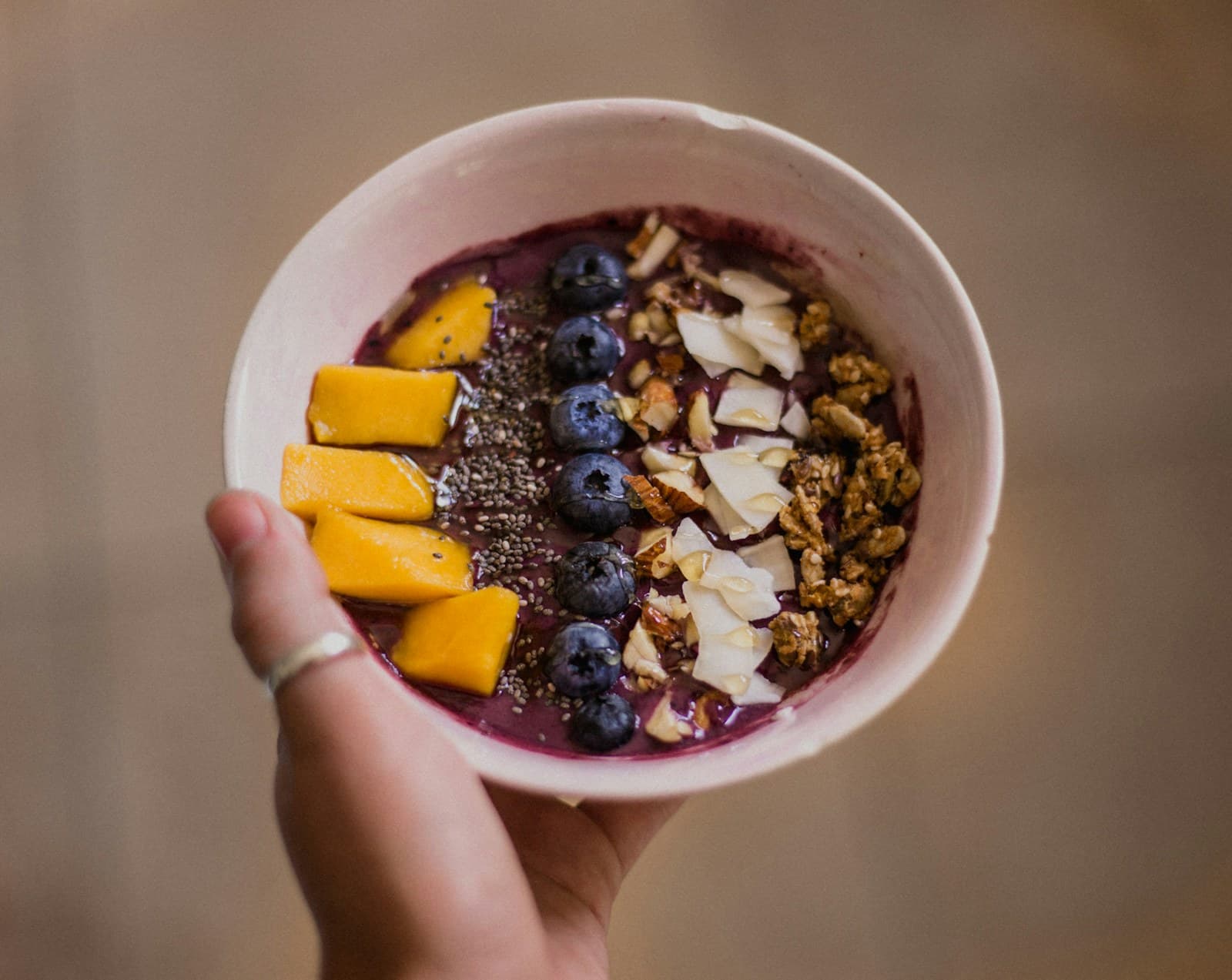
A useful short routine can happen in three passes. First, capture the meal before the plate changes, when that is practical. Second, review the generated ingredient list and portion estimate. Third, edit only what you can reasonably identify, such as removing an ingredient that is not present, changing a portion description, or adding a component that the image missed. Then save and return to your day.
This review is especially helpful for mixed dishes, shared foods, toppings, and meals photographed from an angle that hides part of the plate. You do not need to resolve every uncertainty before recording. Note the clearest information, leave unknown details as estimates, and use the same approach next time. A brief, repeatable review can support a more coherent log without turning each meal into an investigation.
Build flexibility into missed moments
A routine that only works on ideal days is difficult to maintain. Decide in advance what you will do when you forget a photo, eat away from home, or notice the meal only after it is finished. You might take a later photo of what remains, make a quick entry from memory, or mark the meal for a later review. The goal is to preserve useful context, not recreate a scene that no longer exists.
Avoid treating a missed entry as a broken streak. A streak can make logging feel like a pass-or-fail challenge, while a routine can simply resume at the next reasonable opportunity. If you miss several entries, look for a practical adjustment: a different cue, a shorter review, or a more convenient place to keep your phone. Resetting is part of the routine, not evidence that the routine has failed.
Use the log for patterns, not food rules
Photo logging can help you notice what your meals generally include, especially when you review several entries together. WHO describes a healthy diet at the broad pattern level, emphasizing variety and balance rather than a single ideal meal. MyPlate likewise presents food groups as a flexible framework for variety, not a rigid menu or a ranking of foods. Those ideas can provide context for observation without turning the log into a checklist.
At the end of a few days, ask neutral questions: Which meals were easiest to capture? When did photos become hard to review? Do your entries show a range of foods over time? What one cue would make the next entry simpler? Keep the focus on information and usability. The routine succeeds when it helps you understand your eating occasions with less friction, not when every photo looks the same or every estimate contains the same level of detail.
Sources
- Healthy diet — World Health Organization
- What Is MyPlate? — USDA MyPlate
FoodSnap provides editable nutrition estimates. This article is for general educational purposes and is not a substitute for individualized medical or dietary advice from a qualified professional.