
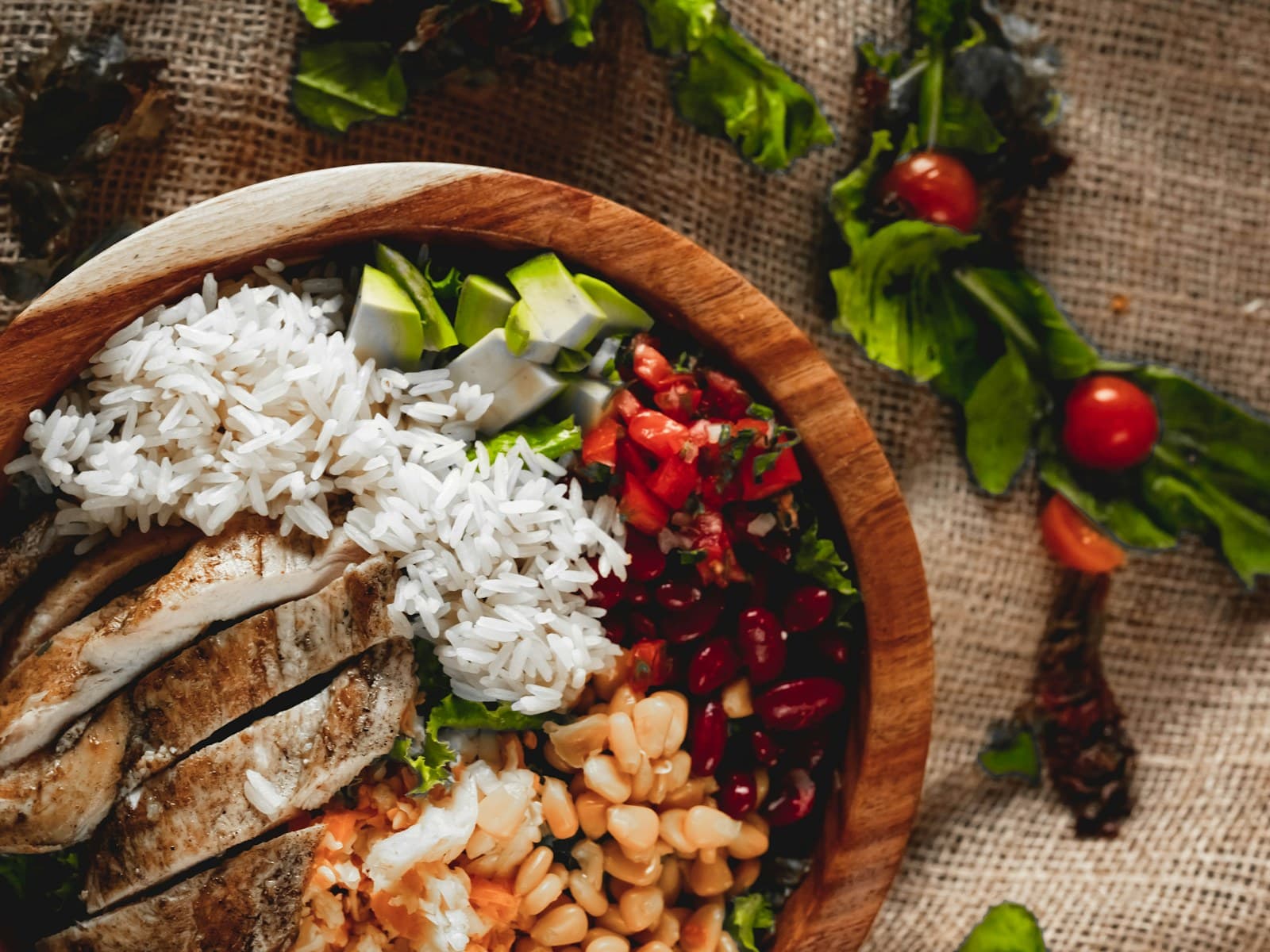
Why Cooking Oils Often Go Unnoticed
Cooking oils are routinely used in meal preparation, yet their presence may not be visually obvious after cooking. When food is sautéed, fried, or roasted, much of the oil integrates into the dish or remains on the cooking surface — making it difficult to estimate the actual amount consumed from a photo alone. Reference nutrient records from USDA FoodData Central show that the fat content of common recipes changes depending on both the type and quantity of oil involved. For anyone tracking dietary fat, it’s essential to consider how these cooking methods can add hidden fats, even if the oil isn’t seen on the final plate.
Different oils contribute varying amounts of fat depending on the recipe and cooking style. For example, frying typically incorporates more oil into food than grilling or baking. Even tossed vegetables or pasta might have a light coating of oil, which may not be fully captured visually. The USDA database highlights wide differences in fat levels for similar foods, largely based on how much and what kind of fat was used in preparation. Recognizing these subtleties helps users interpret photo-based fat estimates more realistically, especially when relying on visual cues alone.
Dressings and Sauces: Hidden Fat Sources
Salad dressings, marinades, and creamy sauces often play a substantial role in the fat content of meals, but they’re not always obvious in food photos. Many commercial or homemade dressings use oils like olive, canola, or soybean as their base, each contributing significant fat per tablespoon. According to USDA FoodData Central, foods with added dressings may show dramatic differences in fat estimates, so it’s important to consider whether a meal likely included a dressing even if it’s not visually prominent.
Oils mixed into sauces or absorbed by foods can further blur the fat content estimate. For instance, a portion of pasta with Alfredo or pesto sauce may contain more fat than its appearance suggests. FDA guidance explains that the serving size frames the nutrient amounts shown on a Nutrition Facts label. Users can improve an estimate by checking that serving and recalling whether a dish was dressed or sautéed, even if the oil is not directly visible. Meals with less visible fat sources merit extra attention when reviewing nutrient data from photos.
Improving Fat Estimates Beyond Visual Clues
When using photo-based tools, supplementing visual information with knowledge about typical meal preparation helps refine fat estimates. Meals that appear dry may still have been cooked with oil, and dishes with sauce or garnish may have additional hidden fats. Reviewing USDA FoodData Central entries for similar recipes helps illustrate how preparation methods can alter fat content, offering a useful reference when the oil’s presence isn’t clear. Documenting or recalling how a dish was made adds context to an estimate — for example, noting whether vegetables were roasted with oil or served steamed.
Users can also adjust estimates by integrating known ingredients and realistic portion sizes. If you know a recipe includes a measured amount of oil per serving, that detail can help adjust the suggested fat figure. The FDA recommends paying close attention to the labeled serving size, which is especially useful when comparing an estimate with a packaged product. This practice is valuable for meals where oil is absorbed or mixed in during cooking, such as stir-fries, grain dishes, or casseroles.
Practical Tips for Adding Invisible Oils and Dressings
To enhance accuracy in fat estimates, consider routinely entering preparation details and commonly used oils or dressings when editing food entries. Noting the addition of a tablespoon of oil in cooking or a standard serving of dressing alongside a salad can significantly clarify nutrient data, using the USDA database as a guide. Users should also account for commercial versus homemade recipes, as brands and culinary habits influence the actual fat content per portion.
When unsure about invisible fats, reviewing recipe norms or referencing nutrition facts labels from similar packaged items can supply helpful benchmarks. The FDA encourages comparing serving sizes and nutritional details across products, which aids in making adjustments for missing oils and dressings in a photo. Incorporating this information, even when not obvious, helps create more realistic fat estimates and supports informed decision-making about meals.
Sources
- USDA FoodData Central — U.S. Department of Agriculture
- How to Understand and Use the Nutrition Facts Label — U.S. Food and Drug Administration
FoodSnap provides editable nutrition estimates. This article is for general educational purposes and is not a substitute for individualized medical or dietary advice from a qualified professional.