
Total macros are the starting point
When you add the ingredients in a recipe, you are estimating the macros for the entire batch: calories, protein, carbohydrates, and fat. That total does not automatically tell you what is in one bowl, slice, container, or plate. To get a per-portion estimate, the batch total must be divided by a stated number of portions or by the portion weight when that information is available.
For example, imagine a batch with 1,200 calories, 60 grams of protein, 120 grams of carbohydrates, and 48 grams of fat. Divided into four equal portions, each portion would be estimated at 300 calories, 15 grams of protein, 30 grams of carbohydrates, and 12 grams of fat. Divided into six equal portions, the same batch would be estimated at 200 calories, 10 grams of protein, 20 grams of carbohydrates, and 8 grams of fat. The recipe total has not changed; the serving division has.
Yield is more than the recipe name
Yield describes how much finished food the recipe produces or how many servings it makes. A recipe may say it makes four servings, but the food might be divided into five smaller containers or three larger bowls in actual use. Those choices create different per-portion estimates because each container represents a different share of the same total.
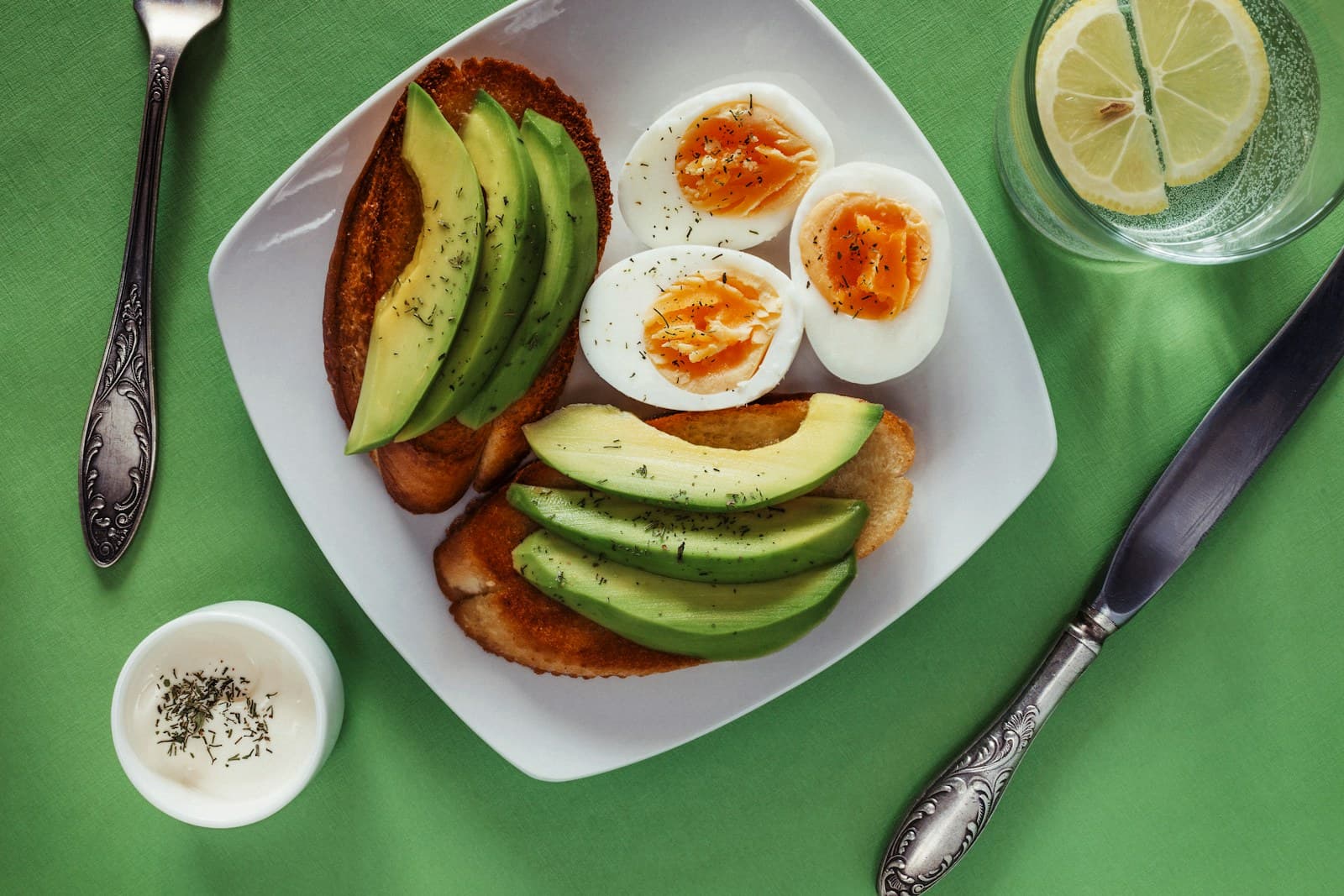
Yield can also be affected by preparation. Ingredients may be absorbed, mixed, drained, or combined into a finished dish, and the final amount may not match a visual expectation. A photo can show what is on the plate, but it usually cannot establish the full batch yield or confirm whether that plate is one quarter, one third, or another share of the recipe. Adding the known yield or portion count gives the estimate better context without turning it into a measured result.
Equal portions and actual portions are different
A calculation based on four servings assumes that the batch was split into four equal shares. In practice, one container may hold more rice, sauce, vegetables, or protein than another. If the recipe total is divided evenly on paper but the food is portioned unevenly, the individual servings will not all have the same macro content.
One useful way to describe the difference is to separate the planned serving from the served amount. The planned serving might be one of four equal portions. The served amount might be a smaller scoop, a heaped container, or a plate assembled from several components. Recording which situation applies makes the estimate easier to interpret and revise. It also avoids treating a standard recipe yield as proof of what was in a specific serving.
Read serving information in context
The FDA explains that Nutrition Facts information should be interpreted by first checking the serving size and the number of servings per container. This matters because the numbers on a package usually describe the listed serving, not necessarily the amount someone chose to eat. A container with two listed servings can produce a different intake when the whole container is eaten or when it is split into several portions.
USDA FoodData Central provides reference nutrient records, but its values can vary with the selected food entry, brand, recipe, preparation, and portion. The same principle applies to a homemade recipe: the ingredient records and the division method both affect the estimate. If a package label, recipe calculation, and photo-based estimate appear different, compare the food entry, serving definition, preparation details, and yield before comparing the numbers themselves.
A simple review for photo-based logs
When reviewing a FoodSnap estimate for a homemade dish, start by asking what the photo represents. Is it the whole recipe, one container from a batch, a shared serving, or a plate assembled from leftovers? Next, check whether the recipe total and the number of portions are known. If you know the batch made six containers but the initial estimate used four, update the portion count so the per-portion figures reflect that division.
You can also note uncertainty in the serving description: “one of six containers,” “about half the batch,” or “a larger serving than the others.” FoodSnap provides editable calorie, macro, ingredient, and portion estimates, so these details can be used to refine the record. The goal is a consistent explanation for how the number was produced, not a claim that a photo can reveal the exact recipe yield or the exact macros in every bite.
Sources
- USDA FoodData Central — U.S. Department of Agriculture
- How to Understand and Use the Nutrition Facts Label — U.S. Food and Drug Administration
FoodSnap provides editable nutrition estimates. This article is for general educational purposes and is not a substitute for individualized medical or dietary advice from a qualified professional.